
Plot Summary
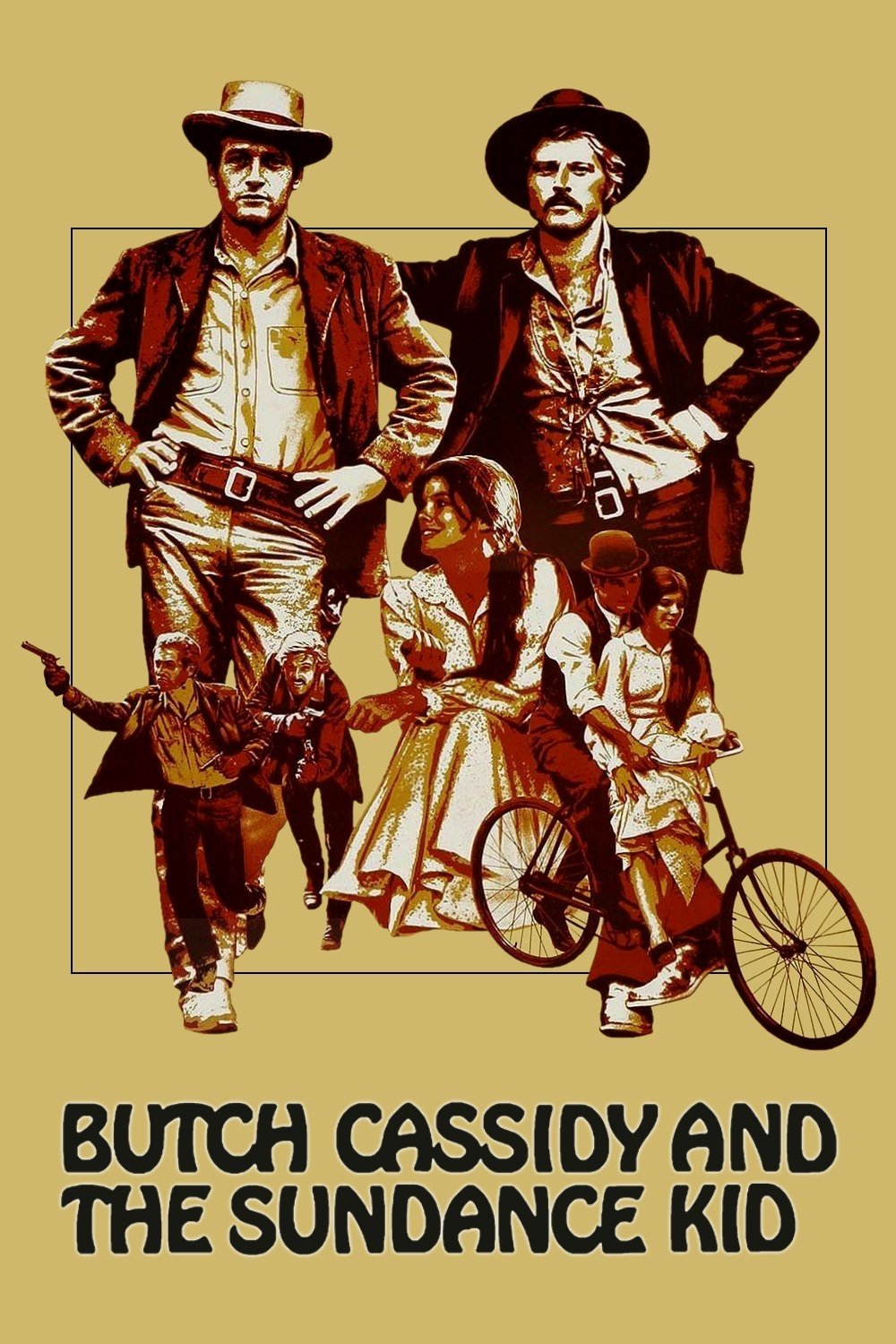
Before I ever sat through the first few frames of this film, I knew I was in for a different kind of Western—one born from the off-kilter brilliance of director George Roy Hill, whose signature blend of energy and warmth compelled me instantly. “Butch Cassidy and the Sundance Kid” isn’t just a tale of outlaws on the run; it’s a ride-along with two unforgettable personalities who seize your attention and refuse to let go. Hill doesn’t serve up the typical law-versus-bandit standoff. Instead, I found myself drawn into the witty camaraderie between Butch (played by Paul Newman) and the sharp-shooting Sundance (a brooding Robert Redford). Their journey crisscrosses the American West with brash train heists, narrow escapes, and moments of humor that undercut any looming danger.
What always grabbed me is how the story unspools less as a linear pursuit and more as an exploration of friendship under siege by changing times. Butch and Sundance, reluctantly aware that the world has no place for legends like them, try to outrun a future that is closing in. As their options dwindle, they bring Etta Place (Katharine Ross) into their orbit, and the movie pivots into questions about loyalty and love in an era where outlaws are being pushed aside by relentless progress.
Whether they’re navigating daring robberies or escaping on horseback, the tension never completely drowns out their irrepressible humor and charm. I have to warn that much of the film’s ultimate direction depends on choices made in the final third; there are pivotal moments that reshape their fates completely, but to avoid spoilers, I can only say the script steers towards a showdown that both aches with nostalgia and pulses with real suspense.
Key Themes & Analysis
From the first time I watched it, I realized this film has more on its mind than gunsmoke and galloping horses. The central theme for me is the inevitability of change and the bittersweet struggle to adapt—or resist—as the old West slips away. Butch and Sundance are relics, and Hill crafts every scene to highlight their playful rebellion against the modern world encroaching around them.
The way Hill shoots vast, sun-bleached landscapes—cinematographer Conrad Hall’s Oscar-winning work—makes every frame feel like an elegy to an era in twilight. Wide, painterly vistas are juxtaposed with intimate close-ups, immersing me in the duo’s humor and camaraderie, while also reminding me of their smallness amidst history.
But the technical prowess isn’t just visual. The script, penned by William Goldman, is a study in balancing levity and regret. Goldman’s writing dances between sharp comedic exchanges (“Who are those guys?” is a question that echoes both the pursuit and their existential awe at new, unstoppable forces). The dialogue often veers playful or sarcastic, but there’s a pinprick sadness underneath—a reminder that confidence doesn’t stop time from moving on.
What struck me most was the subtle subversion of masculinity. While Westerns often glorify stoic heroes, here, Newman and Redford give us two leads who are vulnerable, self-aware, and ironically playful. This is especially true in quiet moments—like the celebrated bicycle scene with Etta—where machismo is replaced with longing and humor. Paul Newman, with his wry, almost world-weary smile, shows the softer undercurrent in Butch, while Redford’s cool reserve gives Sundance a sense of uncertainty beneath the bravado.
The chemistry between these actors pulls me in every time. The film’s understated approach to romance, especially in its depiction of Etta’s bond with these men, remains strikingly modern: they share affections, dreams, and fears on equal ground. It’s as if the movie—set in the past—takes a hard look at contemporary anxieties about change, relevance, and love’s fleeting comfort, which resonates with me profoundly.
Soundtrack choices, especially Burt Bacharach’s “Raindrops Keep Fallin’ on My Head,” further subvert expectations. That song, famously playful amidst outlaws, elevates the film into something even more poignant—a blend of joy and resignation. What caught me off guard was how these musical interludes act as pauses, letting me absorb the pathos just beneath the banter and wit.
When I pull apart the film’s layers, I see a portrait of friendship as the true protagonist—the only force left undimmed by history’s inevitable march. The themes of loyalty and loss, progress and obsolescence, and the enduring power of humor make the film feel not only timeless, but in some ways even more urgent and relatable now.
My Thoughts on the Cultural Impact & Legacy
I often think about the seismic shift that happened in American cinema around the late ‘60s, and for me, “Butch Cassidy and the Sundance Kid” is both a symptom and the catalyst for that change. It’s the rare Western that redefined what audiences expected from the genre—injecting irony, character-driven wit, and genuine pathos into territory once dominated by grit and violence. This film matters to me as a lifelong curator because it dared to imagine outlaws as real people—flawed, funny, afraid—and in doing so, made the genre itself feel newly alive.
The film’s legacy is everywhere. I see its fingerprints on buddy comedies, on revisionist Westerns, even on modern dramas about friendship and futility. Without Newman and Redford’s banter, I don’t believe we’d have the kind of naturalistic, wisecracking bonds that define later classics like “Lethal Weapon” or “Thelma & Louise.” But more intimately, it’s the film’s balance of heartbreak and humor that keeps calling me back. Whenever I watch it, I’m reminded that the best stories aren’t about whether the heroes win or lose, but about how they face the world together as it changes around them.
On a personal note, I find the film resonates because it refuses to wrap life in a neat bow—it honors the messiness of endings and the stubbornness of hope, themes that I return to both as an analyst and simply as someone who loves movies. I credit this film with teaching me to look for the humanity beneath the myth in any genre, to appreciate the quiet between gunfire, and to cherish cinema that allows characters—and audiences—to laugh in the face of uncertainty.
Fascinating Behind-the-Scenes Facts
Delving into the creation of this film only deepens my appreciation. One of the most fascinating stories is about the casting process. Originally, the role of Sundance nearly went to Steve McQueen, whose on-screen persona could have changed the movie’s entire chemistry. I learned that a heated debate unfolded over top billing, leading to McQueen’s withdrawal and gifting the role to Redford—a decision that now feels serendipitous given the palpable, unique rapport between him and Newman.
Technical innovation played a big part as well. Conrad Hall’s atmospheric cinematography introduced the ‘bleach bypass’ technique, desaturating some scenes to evoke a weathered, nostalgic look. When I view those sepia-tinted sequences, I feel as if I’m watching history flicker and fade right in front of me—the technique not only stands out visually, but shapes the film’s mournful tone.
And the film’s iconic train explosion? That pivotal robbery scene proved so challenging that real dynamite was used, resulting in one of cinema’s most convincing stunts, but also one that left the crew fiercely anxious about safety. Learning about the sheer risk and creativity in staging these moments makes me respect the finished product all the more.
Why You Should Watch It
- A unique balance of comedy and melancholy: I’ve rarely seen a film blend wit and pathos so deftly, keeping the spirit alive even as the world changes around its heroes.
- A masterclass in acting chemistry: Watching Newman and Redford together is exhilarating—their spontaneous energy and emotional depth are unmatched in any other Western I’ve encountered.
- Stunning visual storytelling: Every shot by Conrad Hall makes the West feel epic yet intimate, offering a rare chance to experience the fading of a legend in real cinematic time.
Review Conclusion
Whenever I revisit “Butch Cassidy and the Sundance Kid,” I’m left with the sense that I’ve engaged with a work of art that reimagined the Western and generously expanded what it could be. The film is as much about breaking free from old forms as it is about two men running from the law, and that creative subversion is what keeps me returning to its sunbaked landscapes and luminous banter. I give it a rating of 4.5 out of 5 stars for its inventiveness, emotional complexity, technical artistry, and, above all, the enduring warmth of its characters and story.
Related Reviews
- “The Sting” (1973): I often recommend this next collaboration between Paul Newman and Robert Redford for its electric chemistry and clever, twist-driven storytelling. If you appreciated the camaraderie and bittersweet undertones of “Butch Cassidy,” “The Sting” offers an equally sophisticated blend of humor, tension, and period style.
- “McCabe & Mrs. Miller” (1971): Robert Altman’s revisionist Western explores similar themes of obsolescence and the fading American frontier. For me, its melancholic mood and subversion of Western tropes make it a natural companion to the world Hill creates.
- “Thelma & Louise” (1991): Though set in a different era, Ridley Scott’s film echoes the renegade spirit and tragic optimism that define Butch and Sundance. The exploration of friendship against insurmountable odds is deeply resonant—and the tone balances humor with existential drama in much the same way.
- “No Country for Old Men” (2007): If what captivated you was the theme of unstoppable change and the sense of an old world giving way to the new, the Coen Brothers’ modern Western intensifies those anxieties, reflecting on what happens when yesterday’s legends face a world that’s moved past them.
For readers looking to go deeper, these perspectives may help place the film in a broader context.
🎬 Check out today's best-selling movies on Amazon!
View Deals on Amazon