
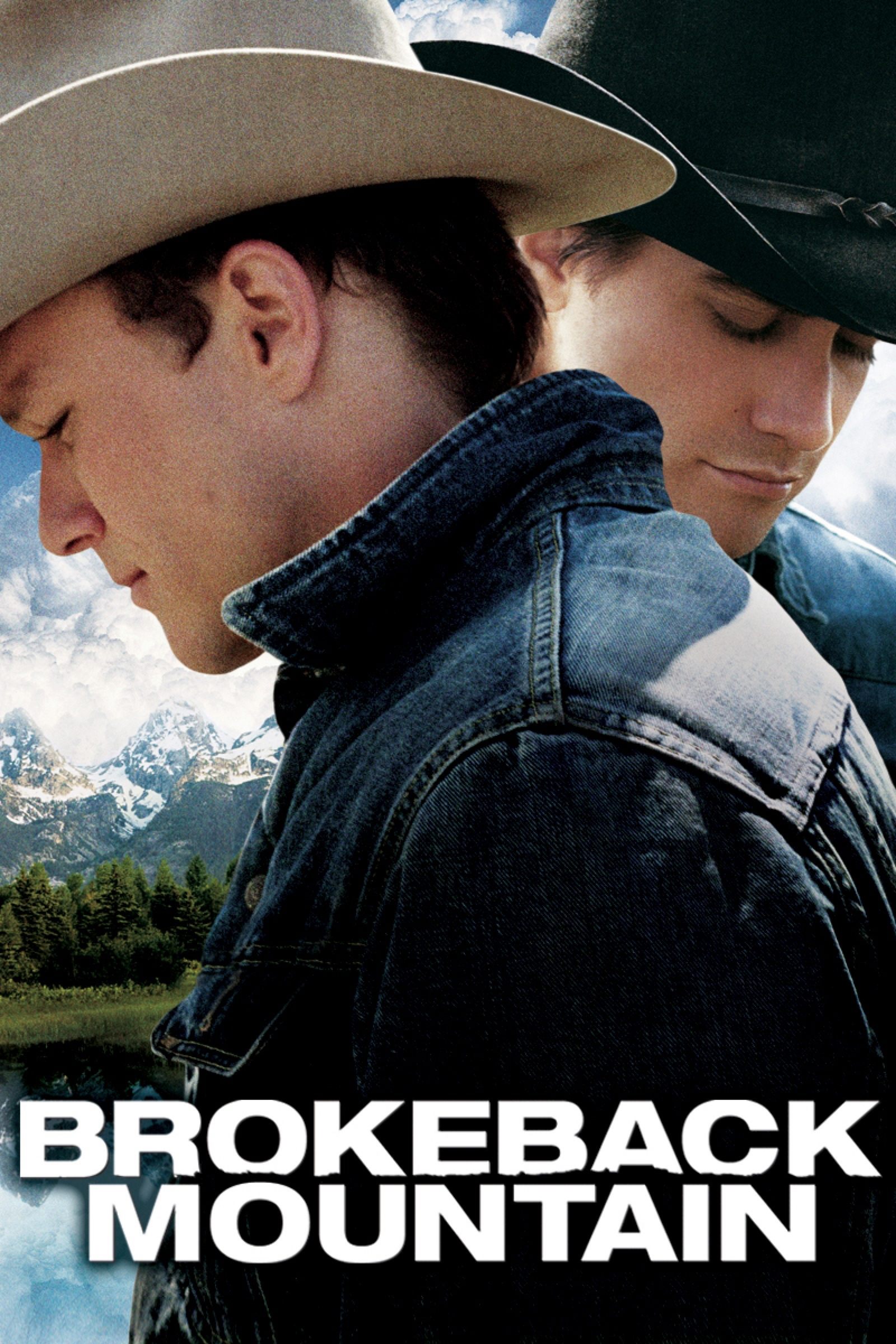
Plot Summary
I’ll never forget the first time I watched Ang Lee’s heart-wrenching, beautifully restrained drama set against the magnificent expanse of the American West. This 2005 film felt, to me, like a revelation—the landscape is almost a character itself, echoing the tumultuous, quiet storms within the leads. At its core, this story follows two men, Ennis Del Mar and Jack Twist, played with raw vulnerability by Heath Ledger and Jake Gyllenhaal, respectively. What unspools is less a plot-heavy narrative and more an intimate portrait of longing, secrecy, and love denied by circumstance.
I felt swept away by the sense of isolation that permeates every scene; although the plot officially spans decades, it’s the subtle moments—furtive glances, stilted exchanges around campfires, and silent goodbyes—that linger with me long after the credits roll. Their connection begins when the two, hired as sheepherders on the breathtaking Brokeback Mountain, find solace and joy in each other’s company, leading to a bond they never expected. From there, the film effectively weaves through the years, showing how both men grapple with the lives they build: marriages, children, and the heavy burden of keeping their true selves hidden in a less forgiving era.
I want to be careful not to reveal the film’s most devastating turns. Major spoilers follow in this last sentence: the culmination of their relationship and the rippling consequences for everyone involved had me aching for a world where love isn’t met with fear and regret. Even knowing the outcome, I find myself mourning what might have been for Ennis and Jack, and their quiet tragedy feels emblematic of so many untold stories.
Key Themes & Analysis
What struck me from the first frames was how Ang Lee uses the vast, lonely landscapes as a visual metaphor for the characters’ emotional solitude. Every sweeping shot of the Wyoming wilderness emphasizes the isolation and suppression faced by Ennis and Jack; they are as much at odds with nature as with society. That sense of yearning, of wanting to claim happiness while being hemmed in by social norms, resonated with me deeply. I’ve rarely seen a film that captures the agony of unspoken words so keenly.
For me, one of the central themes is the quiet devastation of missed opportunities and the pain of compromise. Both Ennis and Jack yearn for something greater—a life where they can be honest, together—but each is painfully aware of the dangers posed by the era in which they live. Their surroundings seem beautiful and free, but societal expectations build invisible prison walls around them. This duality is made even more potent through Rodrigo Prieto’s cinematography, which balances breathtaking scope with intimate, intrusive close-ups. Here, I felt every suppressed emotion, every silent plea.
To me, the acting is nothing short of transformative. Heath Ledger’s performance is a masterclass in emotional restraint; his physicality—clenched jaw, shuffling movement—tells us everything about a man raised to believe that vulnerability is weakness. Ledger’s Ennis is world-weary by his 20s, fearing and wanting in equal measure. Jake Gyllenhaal, meanwhile, plays Jack with infectious optimism and heartbreak. His is a character who dares to dream and chafe against boundaries, yet is brutally reminded of society’s rigidity at every turn. Michelle Williams and Anne Hathaway, as Alma and Lureen, turn what could have been thankless roles into devastating portraits of women forced to confront the truth in their own marriages. Both captured my empathy, each illustrating the collateral damage of secrecy and shame.
I find myself returning again and again to Ang Lee’s deft touch. He never overplays his hand. Where another director might have made this a melodrama, Lee instead doubles down on restraint. He trusts the audience—trusts me, even—to fill in the emotional blanks with our own experiences of longing and loss. The soundtrack by Gustavo Santaolalla drifts through the story like the wind itself—spare, mournful, and unforgettable. Every directorial and editorial decision feels deliberate, heightening the theme that love is often something quietly endured, not always celebrated.
My Thoughts on the Cultural Impact & Legacy
When I reflect on the release of this film, I recall just how seismic an event it was—not just for LGBTQ+ cinema, but for mainstream film as a whole. Brokeback Mountain didn’t just open doors; it bulldozed barriers, offering a nuanced, empathetic portrait of queer love that I hadn’t seen taken so seriously in a major American feature before 2005. Suddenly, a movie with unapologetically romantic, complicated gay leads was being celebrated by the Academy and drawing broad audiences. I remember watching as critics and filmgoers who might never have considered this story were deeply moved, and that shift still feels significant to me.
Personally, I see this film as a watershed moment. It demonstrated that a “gay movie” could be universal—not a niche, not a specialty item, but a love story on par with any great romance in movie history. I can’t overstate what it meant to see Ennis and Jack’s humanity respected on screen. This film helped shape an era of storytelling that gave voice to experiences previously left in the shadows—and even now, nearly two decades later, I find echoes of its influence in films that break new ground in representation.
As a critic and curator, I’m in awe of how Ang Lee’s film made audiences confront their own assumptions and prejudices. It sparked national conversations about masculinity, love, and acceptance. Watching this film as the years go by, I realize that its legacy is about more than just the story—it’s about what happens when art tries, even for a moment, to change the culture that spawns it. Brokeback Mountain doesn’t just endure; it reverberates, asking still-urgent questions about how society shapes the boundaries of love and self-expression. That’s why it matters to me so much, and why I’ll continue to recommend it to viewers who want not just a love story, but a mirror held up to the world.
Fascinating Behind-the-Scenes Facts
What’s always fascinated me are the stories that emerged from the film’s creation—little moments and hurdles that shaped what we now see as a defining work of cinema. One of my favorite pieces of trivia is that Ang Lee, seeking authenticity, filmed extensively on location in the rugged Canadian Rockies rather than Wyoming, braving unpredictable weather and logistical complications for the sake of visual honesty. The landscape’s starkness became as integral to the narrative as any line of dialogue, and the decision paid off in atmosphere and realism.
Another aspect that I find remarkable is the casting process. Heath Ledger wasn’t the obvious first choice for Ennis—the studio initially considered several higher-profile stars, but Lee was persistent, convinced that Ledger brought an emotional gravitas and authenticity no one else could match. That insistence reshaped the film; Ledger’s nuanced approach altered the chemistry of every scene. Gyllenhaal, likewise, had to embrace a more vulnerable, open-hearted side of himself, and both actors reportedly spent weeks soaking up the location’s isolation to get into character.
I’m also intrigued by how much improvisation wound up in the final cut. For example, the famous “shirt scene”—which has become one of the most iconic moments in queer cinema—was developed in collaboration between the actors and Lee on set. The emotional honesty in that scene wasn’t written in stone but allowed to blossom organically, which is perhaps why it has the power to break my heart, no matter how many times I revisit it.
Why You Should Watch It
- This film delivers an emotionally raw, deeply human story that transcends its era, speaking to anyone who has felt out of place or unseen.
- Heath Ledger and Jake Gyllenhaal’s performances set a new standard for onscreen chemistry and vulnerability.
- The film’s artistry—in cinematography, music, and direction—offers a masterclass in how subtle filmmaking can leave the most lasting impact.
Review Conclusion
I never walk away from this film unchanged. Each viewing gives me a fuller understanding of loneliness, hope, and the cost of living with secrets. Brokeback Mountain remains, in my eyes, a masterpiece not just of its genre, but of all cinema. It’s a film that lingers—challenging and consoling me, sometimes in the same breath. For those reasons, I rate it 5 out of 5 stars. It’s a rare gift to have a film haunt and comfort you for years after, and Ang Lee’s work does just that.
Related Reviews
- Call Me by Your Name (2017) – Watching Brokeback Mountain makes me think of this Luca Guadagnino film, which presents a different time and place but explores forbidden love, longing, and the pain of memory through stunning visuals and remarkable performances.
- God’s Own Country (2017) – This British film resonates with me because it also taps into themes of repressed desire, rural isolation, and the transformative power of affection between men, in a style reminiscent of Lee’s subtle, observational direction.
- Carol (2015) – While centered on a love affair between two women, Todd Haynes’s film reminds me of Brokeback Mountain’s attention to historical context, societal pressures, and the joy and pain found in fleeting connection.
- A Single Man (2009) – Set in the 1960s, Tom Ford’s adaptation strikes a similar chord through its meditative pacing, exploration of grief and secret longing, and elegant visual storytelling.
For readers looking to go deeper, these perspectives may help place the film in a broader context.
🎬 Check out today's best-selling movies on Amazon!
View Deals on Amazon