
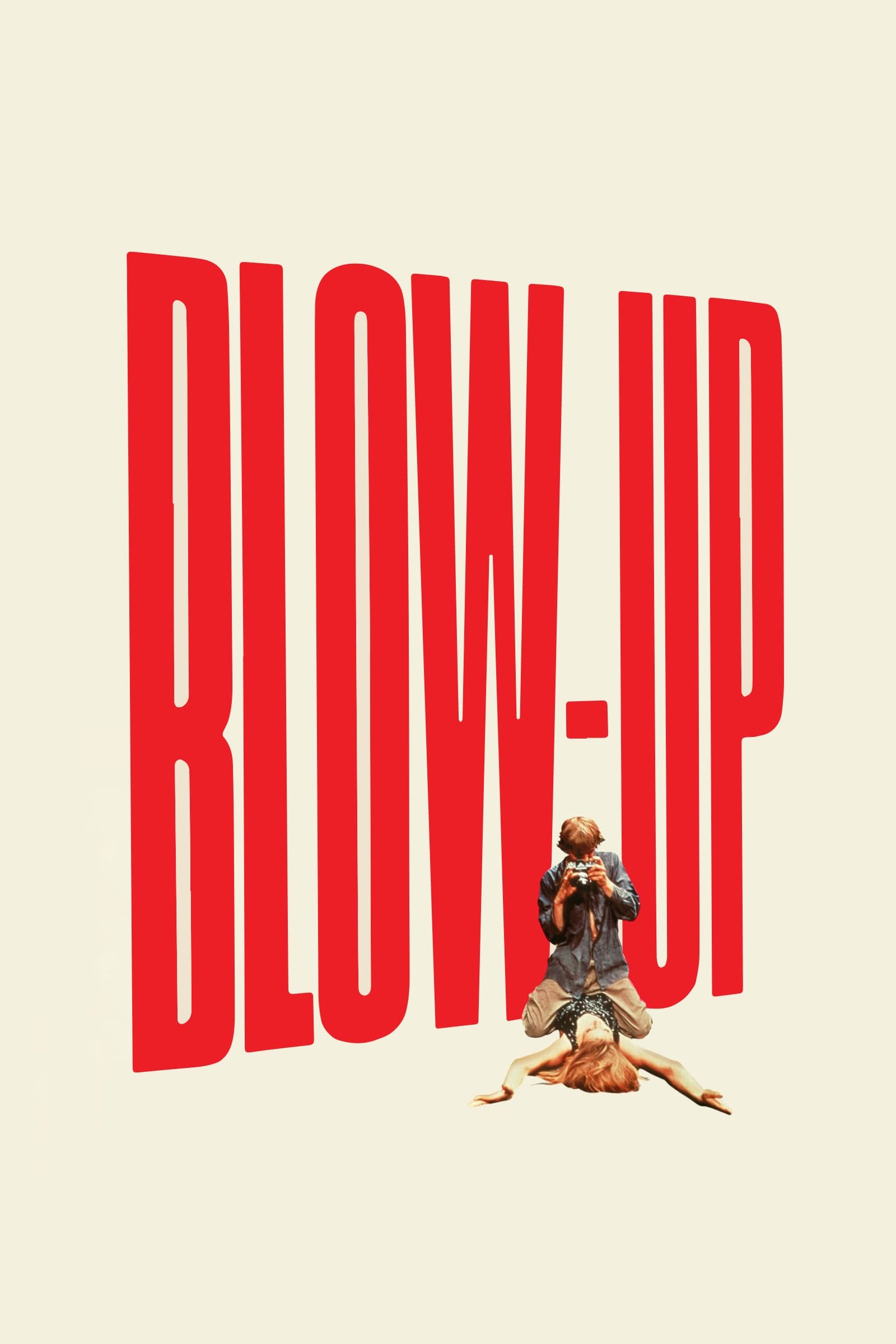
Plot Summary
When I first approached Michelangelo Antonioni’s “Blow-Up”, I was captivated not just by its status as a classic of 1960s cinema, but by its promise of mystery and psychological intrigue. The story, set in the swinging, fashion-obsessed London of the mid-60s, trails a bored, successful photographer whose life is a blur of stylish shoots, fleeting affairs, and reckless urban wanderings. One day, while taking photos in a park, he stumbles upon a scene that, at first glance, seems innocuous—a couple in a passionate embrace. But something about the woman’s reaction—her panic and desperation to reclaim the film—plants a seed of suspicion in his mind.
As he develops his photos, what emerges in the blown-up images is a suggestion that a darker, perhaps even criminal event lurks at the fringes of his experience. The further he magnifies the evidence, the less sure he—and I, as a viewer—becomes about what’s real. The plot weaves its way through parties, mod culture, and surreal encounters, placing me in a continual state of uncertainty. This is a narrative that thrives on ambiguity and leaves crucial questions unresolved, turning the act of watching into its own puzzle. While I could reveal the specifics of the film’s central mystery, I feel it’s critical for new viewers to experience these revelations for themselves, as the sense of doubt and discovery is integral to the film’s lasting power.
Key Themes & Analysis
The genius of “Blow-Up”—at least for me—lies not in its surface narrative, but in its deep meditation on perception, reality, and the limits of knowledge. Rather than providing a straightforward whodunit, Antonioni uses the mystery as a lens to question how we interpret images and experiences. The act of blowing up a photograph, for the protagonist, becomes a metaphor for the obsessive desire to uncover “truth” from fragments. But the more he enlarges, the grainier and more indecipherable the image becomes—a poetic reminder that context and certainty erode the closer we scrutinize them.
I am always struck by how the film places me directly into this epistemic fog. Antonioni’s camera lingers on mundane details and often withholds what I think I “should” see. The city isn’t just a backdrop; it’s a character itself—alienating, swinging, beautiful, and insidious. The bright colors, modernist interiors, and jarring pop-art visuals all feel meticulously designed to create an atmosphere somewhere between seduction and estrangement.
In terms of direction, Antonioni’s minimalist, almost chilly approach always commands my admiration. He prefers long takes and silent exchanges over exposition or melodrama. Dialogue is sparse, and when models or beatniks drift through the frame, they seem less like characters with arcs and more like people passing through life without ever finding true connection. It’s a cinematic style that demands patience and presence. At first, I remember feeling off-balance by the film’s slow rhythm, but that awkwardness started making sense: the film toys with my expectation, challenging my urge for narrative coherency just as its protagonist confronts the limits of what can be meaningfully seen or known.
The acting matches this subtlety. David Hemmings, in the lead role, embodies the photographer’s blend of arrogance and vulnerability. His initial bravado gives way to something more desperate, almost pitiable, as he realizes that mastery over an image does not mean mastery over reality. In the supporting cast, Vanessa Redgrave brings a haunting, electric quality to the woman in the park—a mix of enigmatic seduction and barely-concealed terror that lingers with me long after the credits roll.
There’s a particular sequences that sticks in my mind, not for its action, but for its silence. Watching the photographer move through his studio, developing prints in dim red light, the sounds of dripping water and faint music, I become entranced by his obsession. It’s this existential hunger—the desperate hope that art or observation can reveal a stable truth—that resonates most deeply with me. By the final enigmatic moments of the film (which I won’t spoil), I am left meditating as much on what’s concealed from view as on what’s revealed.
My Thoughts on the Historical & Social Context
Watching “Blow-Up” today, it’s impossible for me not to feel immersed in the cultural turbulence of 1960s London. This was an era defined by youth rebellion, shifting sexual mores, and a questioning of long-held social certainties. To me, the protagonist’s jaded detachment and constant search for stimulation mirror an entire generation’s uneasy relationship with the new freedoms on offer. The film’s world is saturated in style and possibility, yet also haunted by emptiness and doubt.
I often reflect on how “Blow-Up” offers a snapshot of the anxieties swirling beneath the “Swinging London” veneer—the sense that all this speed, all this experimentation, might just be masking something darker. The characters, from the aimless models to the neurotic artists, seem caught between liberation and anomie. There’s a palpable sense of alienation, a feeling that life is being lived on the surface, glossy and hyper-real, but lacking substance. As I watch, I’m reminded of debates over the authenticity of media images—debates that have only intensified in today’s Instagram-saturated era.
This social context is everything. The late 1960s were marked by growing skepticism about authority and the rise of counter-cultural critique. For me, the film’s central question (“Did something happen, or didn’t it?”) feels like a broader challenge to official narratives and easy certainties. In an age when photos from Vietnam or American protests were reshaping public opinion, the film’s anxiety about image-truth versus real truth takes on a chilling prescience. I find myself returning to Antonioni’s work as still shockingly relevant—modern audiences can see their own era’s worries about manipulation, voyeurism, and surveillance reflected in this haunting artifact from 1966.
Fact Check: Behind the Scenes & Real History
One of the most fascinating discoveries for me is that “Blow-Up” was loosely based on a short story by Julio Cortázar, called “Las babas del Diablo” (“The Devil’s Drool”). Antonioni took the seed of a photographer who accidentally documents something sinister and spun it into an entirely new, deeply visual meditation. The change in setting from Paris (in the original story) to the heart of 1960s London was a conscious effort by Antonioni to reflect the era’s cultural revolution, and it forever altered the film’s tone and impact.
Production-wise, I am awed by anecdotes about casting struggles. Vanessa Redgrave initially refused Antonioni’s offer, reportedly appalled by the script’s sexual content and ambiguity. It was only after a series of personal appeals (and eventually script changes) that she signed on, bringing a layer of depth and gravity to her mysterious role. For David Hemmings, this breakout performance launched him into international stardom—his casting as the lead was bold, especially since he was relatively unknown in major cinema at the time.
One technical detail I find especially innovative is Antonioni’s use of real locations and spontaneous crowd footage throughout London. The infamous scene at the rock concert (featuring The Yardbirds) was shot with a real audience and unrehearsed chaos, reflecting the instability of youth culture but also challenging traditional film staging techniques. The result is a raw, energized vibrancy that makes the city itself feel alive, unpredictable, and menacing.
Why You Should Watch It
- This is a film that challenges how you see both cinema and reality—the perfect pick for anyone who loves their mysteries enigmatic and open to interpretation.
- The period detail is intoxicating, immersing you in a meticulously realized vision of 1960s London’s art, music, and social upheaval.
- It’s a meditation on photography, observation, and obsession that’s even more relevant in our image-obsessed age.
Review Conclusion
Every time I watch “Blow-Up,” I come away feeling haunted, provoked, and inspired. Antonioni’s direction invites me to question the boundaries between seeing and knowing, between surface and substance. The performances, the production design, and the soundtrack—all serve to envelop me in a world where the search for meaning is fraught, sometimes futile, but always fascinating. While its ambiguous ending may frustrate those seeking tidy closure, I personally consider this refusal to provide answers its greatest triumph.
I rate it 4.5/5 stars: a near-masterpiece that still feels avant-garde and quietly radical after all these years.
Related Reviews
- “The Conversation” (1974, dir. Francis Ford Coppola) — I see a profound kinship between “Blow-Up” and Coppola’s masterpiece. Both films, through their protagonists (a photographer and a surveillance expert), dive into the ethics and psychology of observation and the uncertainty of “evidence.” I recommend “The Conversation” if you’re fascinated by how technology alters perception and introduces paranoia.
- “Persona” (1966, dir. Ingmar Bergman) — For viewers drawn to ambiguous narratives and blurred realities, “Persona” offers a similarly cerebral, unsettling meditation on identity, connection, and the limits of self-awareness. The film’s visual experimentation and psychological tension make it a natural companion.
- “Don’t Look Now” (1973, dir. Nicolas Roeg) — If what grips you most in “Blow-Up” is its marriage of stylish visuals and psychological mystery, Roeg’s film is essential viewing. It also uses visual clues and fragmented storytelling to craft a chilling sense of disorientation and loss.
If you want to explore this film beyond basic facts, you may also be interested in how modern audiences respond to it today or whether its story was inspired by real events.
🎬 Check out today's best-selling movies on Amazon!
View Deals on Amazon