
Plot Summary
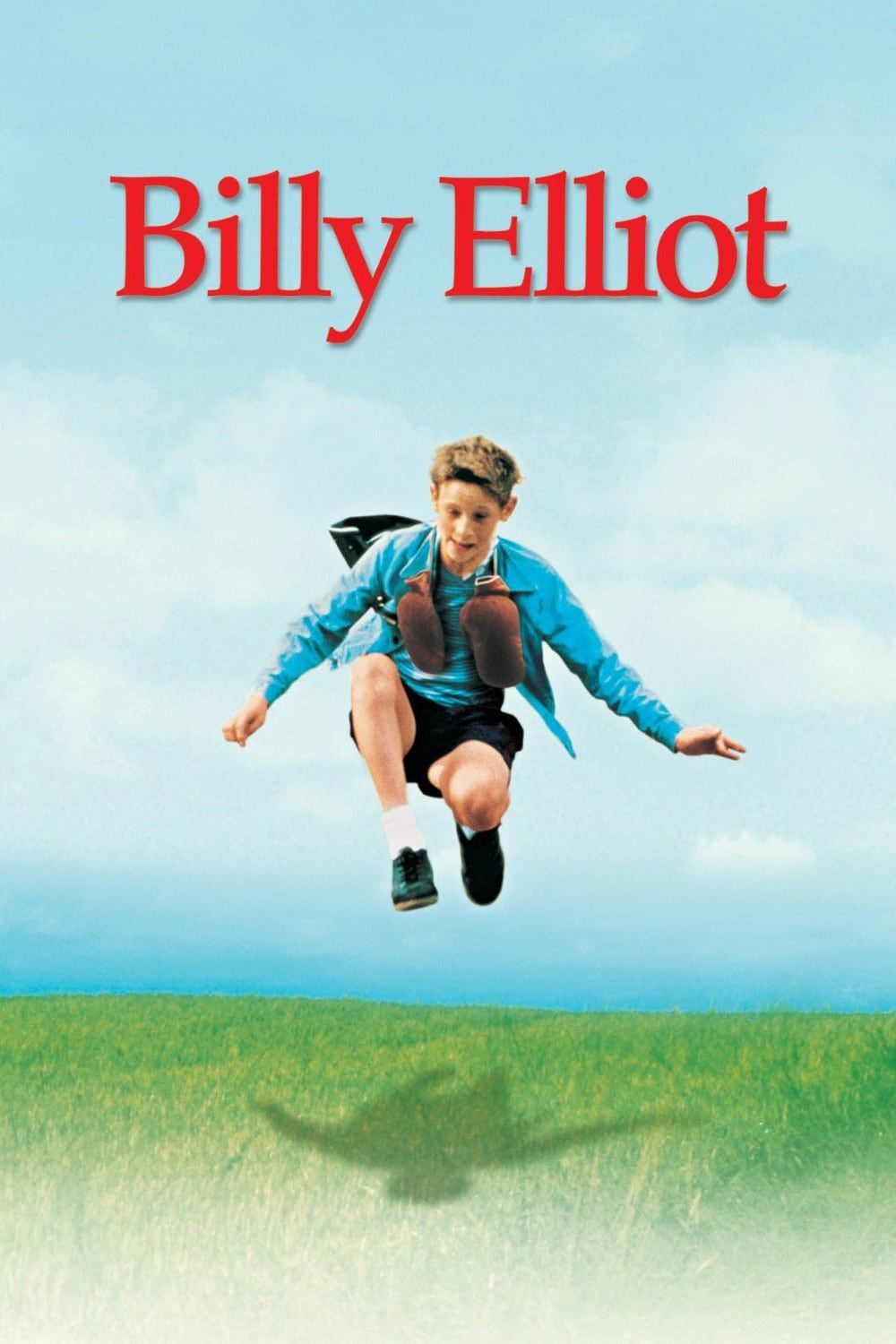
If I could trace the roots of my cinematic obsessions back to a single film, Billy Elliot would easily land near the top. Set in the stark and smoky Northern England during the 1984-85 coal miners’ strike, the film grabbed me on every viewing, not just for its drama but for the personal resonance its story carries. The narrative follows Billy, a young boy whose discovery of ballet is nothing short of a rebellion against his mining family’s expectations. I was drawn to the intimacy of his struggle—the way Peter Mullan’s tough yet loving father character looms over his son’s choices, and how Billy’s yearning for self-expression reverberates through every frame. While I won’t give away major story turns, I will say that the film is as much about movement and courage as it is about flipping the script on what a boy is “supposed” to be in a town bound tight by tradition. This isn’t just a coming-of-age story; for me, it’s a sharp study in resilience and what it takes to dance—literally and figuratively—against the gravity of one’s circumstances.
Key Themes & Analysis
Every time I return to Billy Elliot, I’m newly struck by the way it interlaces hope and restriction. The film’s core theme—the pursuit of individual passion in a world bracing itself against change—lands with a force I can feel in my bones. Director Stephen Daldry uses the austerity of the mining town not simply as a backdrop but as a living, breathing antagonist. The gray palette and the tight, kinetic camerawork ground the story in realism, making Billy’s impulses toward flight (whether with fists in boxing or feet in ballet) feel all the more explosive.
What really sets this film apart for me is how every technical choice seems to serve its ideas. The choreography isn’t just about performance; it’s catharsis—a release for Billy and the community watching him. I found Jamie Bell’s portrayal of Billy remarkable not only because he captures the awkwardness of adolescence, but because he makes every twitch and scowl into a beat of defiance and vulnerability. Julie Walters, as Mrs. Wilkinson, brings a wit and sharpness that slices through the gloom; I could feel every bit of harshness in her encouragement but also the deep wells of empathy she channels into Billy’s journey.
Much of the film’s power, in my eyes, lies in its small details: the pride laced with fear in Billy’s father’s voice, or the worn-out ritual of breakfast at home, interrupted by small hopeful glances. There is a palpable sense of both economic and emotional hardship, and it is this dual struggle that makes Billy’s eventual leaps—literal and figurative—so stirring to witness. The contrast between the roughness of the mining world and the delicate possibilities of ballet is visual and thematic; it reflects an entire generation stuck in a transition between old certainty and new opportunity. In many ways, I’ve always viewed the film less as a sports story or even a dance movie and much more as a poetic manifesto about finding your own rhythm in a world that keeps trying to dictate the beat.
My Thoughts on the Historical & Social Context
I always feel the heartbeat of 1980s England thudding beneath Billy’s story. The miners’ strike wasn’t just the economic reality for this community—it was a defining upheaval that yanked entire families between pride and poverty. When this film hit theaters in 2000, I remember how its echoes of rebellion and adaptation spoke directly to a generation raised on the memory of Thatcher-era conflicts, but it resonates even more with me as time passes. Billy’s longing to break out—whether for the stage or simply for acceptance—felt at once deeply personal and emblematic of broader social change.
From where I sit, the film matters because it doesn’t sugarcoat the friction between personal dreams and collective identities. As the world shifted into new millennium anxieties over work, class, and self-expression, Billy Elliot seemed to remind us all that sometimes individual victory is the spark that lights a wider change. It’s not lost on me that Billy’s gender non-conformity—his interest in ballet over boxing—wasn’t simply a quirky twist, but a challenge to a culture’s inherited scripts about masculinity. I often wonder how the film’s message plays out for young people today: we’re still caught between wanting to honor heritage and being brave enough to risk new dreams. The tension and hope the film captures remain current, and for me it’s a reminder of what’s at stake whenever someone dares to dance to their own tune.
Fact Check: Behind the Scenes & Real History
Diving into the making of Billy Elliot, I’m always amazed by a few specific stories from its production. First, Jamie Bell, who brought Billy to life, had to stand out from over 2,000 boys during auditions. He wasn’t a classically trained dancer at the start—his rawness was genuine and molded for the role, mirroring Billy’s own journey of self-discovery. That search for the “right” Billy was lengthy and intense, and I think it paid off in the most authentic way possible. I can clearly see the difference—Bell’s dance scenes are imperfect but yearning, synchronizing with the emotional honesty expected of a child breaking out of industrial tradition.
Another detail that caught my attention was the approach to authenticity, especially regarding the strike. The script’s setting during the miners’ strike was no mere backdrop. Many supporting actors and extras had connections to mining communities; some even lived through the strikes themselves. This lent a depth and truth to the working-class environment. It’s hard for me to imagine such loyalty to the facts in many studio films, but Billy Elliot took care to represent its history in a way that would resonate with real people who experienced the hardship depicted.
On the technical side, I found it fascinating that some of the film’s most cathartic dance sequences were filmed in one take to preserve the emotional immediacy. Director Stephen Daldry and choreographer Peter Darling wanted to capture the adrenaline and anxiety of public performance as truthfully as possible. For me, watching these scenes, I could sense every jolt of nerves and every surge of hope played out in real time—not just performed, but lived out on screen. This blurring of fiction and real-time performance gives every leap and pirouette a gripping authenticity that elevates the film beyond mere melodrama.
Why You Should Watch It
- An unforgettable character journey—Billy’s transformation from an uncertain boy to a young man willing to risk everything for dance hit me as universal, uplifting, and achingly real.
- Social and cultural resonance—I found its setting in a striking mining town to be more than just realism; it’s a living history lesson and a commentary on class, labor, and gender expectations that still ignite conversation today.
- Stellar, heartfelt performances—From Jamie Bell’s breakout physicality to Julie Walters’ tough-love mentorship, the entire cast injects the film with a rare mixture of grit and sweetness that’s impossible for me to forget.
Review Conclusion
For me, Billy Elliot remains an immersive invitation to question what we allow ourselves—and each other—to become. I revisit it not only to marvel at the technical craft or the emotional whiplash, but because its central question—can you be true to yourself without forsaking your roots?—feels urgent and universal. The combination of raw acting, potent direction, and subtly radical social commentary is what puts this film among my most recommended for anyone craving cinema with real substance.
My Rating: 4.5/5
Related Reviews
- Pride (2014): This British dramedy, set during the same miners’ strike as Billy Elliot, explores what happens when queer activists and striking miners join forces. Like Billy Elliot, it’s about unlikely alliances, social struggle, and breaking comfort zones for a higher cause.
- The Full Monty (1997): For viewers drawn to working-class British stories of resilience and reinvention, this film’s blend of humor and desperation feels like a cousin to Billy Elliot. The focus on dignity against economic collapse is both funny and deeply affecting.
- Kes (1969): One of the most moving portraits of Northern English youth, this film’s honest depiction of aspiration amidst bleak circumstances strongly mirrors the tension in Billy Elliot. The longing for escape, laced with social critique, makes it a must-see in my book.
- An Education (2009): What drew me to recommend this film is its nuanced take on the shaping of a young life against societal expectations. While set decades later, its exploration of class, mentorship, and personal awakening deeply resonates with the spirit I find in Billy Elliot.
If you want to explore this film beyond basic facts, you may also be interested in how modern audiences respond to it today or whether its story was inspired by real events.
🎬 Check out today's best-selling movies on Amazon!
View Deals on Amazon