
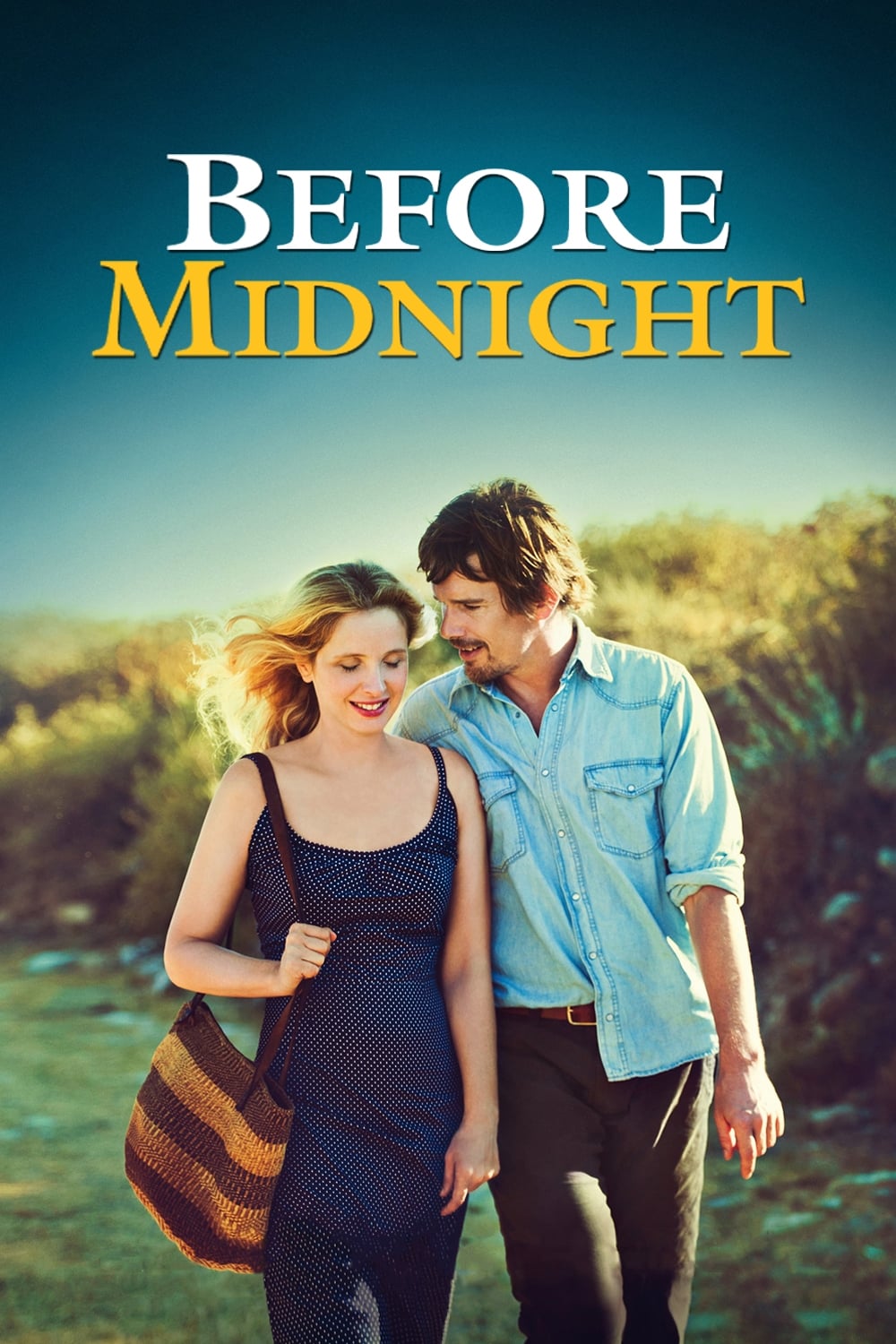
Plot Summary
Watching “Before Midnight,” I felt as if I was eavesdropping on the private, unfiltered moments of two souls as they navigate the crosscurrents of love, time, and compromise. Director Richard Linklater, who so elegantly blurred the line between scripted intimacy and organic conversation in the previous films of this trilogy, continues to summon a sense of lived-in realism. While the film maintains the hallmark of dialogue-led storytelling, it moves beyond wistful romance toward a poignant dissection of what long-term commitment actually demands of two flawed, fully-realized people.
The story reunites Jesse and Celine in Greece nine years after the emotional whirlwind of “Before Sunset.” Rather than focusing on the thrill of new possibilities, the film roots itself in the messy, beautiful reality of relationship middle-age. I found myself captivated by their road-trip banter, the casual unpacking of literary dreams and parenting frustrations, their philosophical detours through the ancient landscape. There’s a bracing honesty in the way Linklater captures their marriage: small moments of joy, festering resentments, and the eternal struggle to be truly understood. Their day unfolds in real-time, with sun-kissed walks, piercing conversations over dinner, and an unvarnished look at the pressures marriage places on autonomy and desire.
For those sensitive to spoilers: While I won’t disclose the climactic arguments or reveal where the couple lands emotionally at the end, I do want to emphasize that the film’s emotional impact resides less in plot twists and more in the granular details of everyday life. What lingers for me isn’t a single narrative event, but rather the accumulation of glances, unfinished sentences, and the lingering ache of what is said—and left unsaid—between lovers who know each other almost too well.
Key Themes & Analysis
I remember walking out of the theater shaken and invigorated; “Before Midnight” felt like a rare, honest portrait of midlife partnership. This isn’t the manic, breathless rush of young love—it’s the deep churn of two people fighting for connection amid the current of their separate anxieties and histories. What I love about Linklater’s approach is his refusal to sentimentalize; instead, he illuminates the precarious balancing act of career, parenthood, personal identity, and romantic fulfillment.
As I watched, I kept returning to the question: What does it actually mean to choose someone, every day, when the fantasy has faded? The film’s dialogue never shies away from the uncomfortable truths of relational fatigue, self-recrimination, or regret. It forces the audience (and me) to consider the effort required to sustain intimacy, long after the spark’s initial euphoria has faded. Jesse and Celine, brought to life with astonishing emotional clarity by Ethan Hawke and Julie Delpy, argue about everything—jobs, ex-partners, the future of their children, the sacrifices they’ve made. Each conversation, sometimes meandering and sometimes explosive, is layered with the history of their previous encounters, echoing the earlier installments while pushing inexorably forward.
Cinematographically, the use of Greece’s golden-hued landscapes evokes not just romantic nostalgia, but a sense of time passing—a backdrop for lives in motion but also for the slow erosion and reinforcement of love. Long, unbroken takes magnify every micro-expression and hesitation. It’s as if I’m watching their thoughts unfold in real time. I especially appreciate Linklater’s choice to avoid heavy scoring; the naturalistic soundscape draws me further into the couple’s reality, making each sigh and interruption feel loaded with subtext.
But it isn’t only the directing and technical prowess that won me over—it’s the way the actors breathe real history into their roles. Watching Hawke and Delpy, I believe absolutely that Jesse and Celine have lived a decade of shared frustrations and private happiness. Theirs is an acting partnership built on mutual trust, improvisation, and the courage to appear unguarded in front of the camera. The subtle shifts in their body language, the way their conversations oscillate between playfulness and latent anger—all of it serves as a testament to the film’s commitment to emotional realism. The whole experience is less about glib answers and more about the ongoing labor of vulnerability and forgiveness in a long-term relationship. I left feeling challenged and strangely hopeful.
My Thoughts on the Cultural Impact & Legacy
If I’m honest, “Before Midnight” didn’t just reflect contemporary relationships—it reshaped how I view them. There’s always something transformative about a film that dares to strip away cinematic artifice and let life play out in all its unresolved ambiguity. For me, this movie stands as a watershed moment for romantic drama, going beyond clichés and fairy tale endings to chart deeply personal emotional territory. It wrestles with the hard truth that love isn’t a fixed destination, but an evolving negotiation—messy, uncertain, and sometimes profoundly rewarding.
In terms of its impact on cinema, I see “Before Midnight” as both a capstone and a disruptor. The trilogy’s structure alone—a nine-year gap between each installment, real time aging of actors, a seamless blending of script and improvisation—was quietly revolutionary. I found myself drawing connections to other films that seek truth through dialogue and character development rather than grand gestures or action. The way Linklater constructs entire scenes out of walking, talking, and arguing, inviting the audience to become participants rather than onlookers, shaped the DNA of countless more naturalistic dramas since.
On a more personal level, I return to “Before Midnight” not because it flatters my ideals, but because it challenges my assumptions about love, compromise, and growing older with someone. I’m constantly struck by how the film treats each character with dignity, refusing to declare easy villains or saints. The story affirms that emotional complexity is not just allowed, but essential. I’ve found that this nuanced approach has influenced my own curation as a critic—prompting me to seek out and champion stories that prioritize authenticity and vulnerability over empty spectacle. “Before Midnight” matters to me because it invites us all to examine ourselves, to confront the work of loving with open eyes. I believe it remains a touchstone precisely because of this relentless honesty; as relationships grow and change, so too does the way I absorb the lessons of this film.
Fascinating Behind-the-Scenes Facts
One of the details that fascinated me most was the extraordinary process of scripting. Linklater, Hawke, and Delpy wrote the screenplay together, holed up in a small Greek hotel room for weeks. The trio’s willingness to blur the boundaries between character and self meant that the dialogue was constantly evolving, pulling from their own fears, relationships, and lived experiences. I suspect this is why the words vibrate with such authenticity—it’s as if the actors are living through each argument for the first time, right in front of the camera.
Another element that sticks with me is the film’s signature use of long, unbroken takes. The notorious hotel room confrontation between Jesse and Celine, which runs almost in real time, was shot over two consecutive days. Both actors described the exhaustion—and the exhilaration—of having to sustain emotional intensity for such extended periods, often exceeding 10 minutes per take. For me, this technical challenge underscores the commitment to realism, stripping away editing trickery to lay bare the nervous energy of conflict in real relationships.
And I can’t help but appreciate the way the Greek location, with its crumbling ruins and luminous seascapes, came together almost serendipitously. The filmmakers settled on the Peloponnese out of both budgetary necessity and creative inspiration; the region’s haunting sense of old-world beauty perfectly echoes the film’s themes. The ancient backdrop, almost an accidental choice, now feels utterly inseparable from the film’s mood of reflection and longing.
Why You Should Watch It
- The film offers a radically honest, conversation-driven exploration of love, aging, and compromise, far removed from the gloss of conventional romance.
- Hawke and Delpy deliver fearless, layered performances that set a new benchmark for authentic on-screen chemistry.
- Richard Linklater’s direction—marked by long takes and minimal interference—invites viewers to become intimate witnesses to the characters’ emotional evolution.
Review Conclusion
Whenever I revisit “Before Midnight,” I’m struck anew by how rare it is for a film to dare this level of emotional transparency, refusing to shield its characters—or the audience—from the discomfort and exhilaration of real commitment. It’s a difficult, beautiful, sometimes painful experience—exactly as love often is. In my estimation, the trilogy’s final act remains a vital, searching reflection on partnership, memory, and the hard-won moments of grace that make staying together worthwhile. I’ll always recommend it to viewers ready for something honest, unflinching, and full of heart. For me, this film earns an emphatic 4.5 out of 5 stars.
Related Reviews
- “Marriage Story” (2019): I see Noah Baumbach’s searing drama as a modern sibling to “Before Midnight.” Its raw, dialogue-driven dissection of marital strain and individual longing will resonate deeply with those who respond to Linklater’s honesty.
- “Lost in Translation” (2003): Sofia Coppola’s nuanced, delicate handling of connection and loneliness, set against an unfamiliar landscape, echoes the emotional introspection and atmospheric beauty I value in “Before Midnight.”
- “Blue Valentine” (2010): With a non-linear narrative and unflinching realism, this film’s heartbreak and intimacy reminded me of the same willingness to depict relationships in all their fractured truth.
- “Certified Copy” (2010): Abbas Kiarostami’s exploration of love’s authenticity, set in rural Italy, is philosophically rich and features long, revealing conversations that feel kin to the “Before” trilogy’s spirit.
For readers looking to go deeper, these perspectives may help place the film in a broader context.
🎬 Check out today's best-selling movies on Amazon!
View Deals on Amazon