Plot Summary
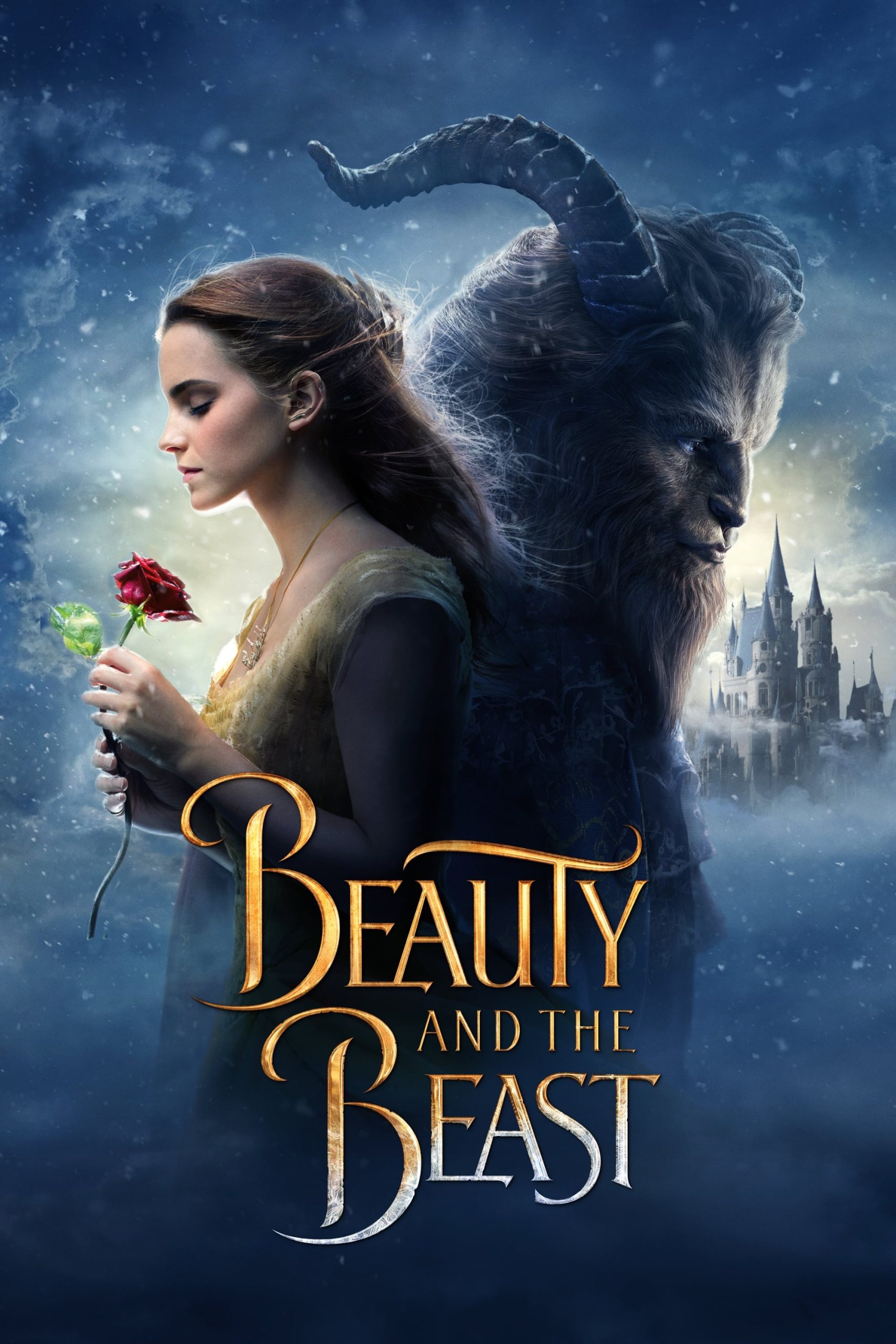
I remember the first time I watched Disney’s “Beauty and the Beast,” directed by Gary Trousdale and Kirk Wise. I was immediately swept into a world that felt both magical and deeply human. To me, the film’s story isn’t just about enchantment—it’s about redemption, the search for connection, and the power of empathy. Set in a small, provincial French town and a castle under a dark spell, the narrative follows Belle, a young woman whose intelligence and independence set her apart. She trades her own freedom for her father’s safety, finding herself in the midst of talking objects and the misunderstood Beast.
Belle’s journey is, on the surface, a tale of falling in love with someone who is outwardly monstrous, but I see it as much more: an exploration of looking beneath the surface of people and situations. Each song, each sweeping animated sequence, moves the narrative from the ordinary to the extraordinary, inviting me to ask how my own assumptions about others shape my world. Ultimately, “Beauty and the Beast” asks whether we can learn to love past our fear and pain.
If you want to avoid spoilers, skip the next paragraph, as I touch on late-film revelations. The film’s climax delivers on the promise that love can effect the deepest transformations. Belle’s compassion, coupled with the Beast’s vulnerability, breaks the curse and restores humanity—not only to the Beast but to the entire castle and its staff. This ending, to me, is less about magic and more about the healing power of choosing understanding over judgment.
Key Themes & Analysis
I’ve always been struck by how “Beauty and the Beast” foregrounds transformation—not just literal, but emotional and psychological. The Beast isn’t merely a victim of an external curse; his monstrous form is a manifestation of internal failings, like selfishness and pride. Watching the slow thaw of his heart in response to Belle’s presence reminded me that growth often comes from vulnerability and from letting someone see our flaws. The film asks: What are we when stripped of privilege or appearances? How do we reclaim our best selves?
Belle herself stands apart from the heroines that came before her. Her love of books, her yearning for a “great, wide somewhere,” and her willingness to speak her mind create a new archetype: a Disney princess who dreams of adventure and makes active choices. Paige O’Hara’s voice acting brings a rich interior life to Belle, while Robby Benson’s performance as the Beast balances ferocity with naked pain. The supporting cast—from Jerry Orbach’s Lumière to Angela Lansbury’s Mrs. Potts—enrich the world with humor and heart.
On the technical side, I find the film’s animation completely mesmerizing. The seamless blend of traditional hand-drawn techniques with early computer-generated imagery in the ballroom sequence remains groundbreaking. That swirling camera, echoing the grandeur of classic Hollywood musicals, invited me to experience the emotional crescendo of Belle and the Beast’s relationship.
Musically, Alan Menken and Howard Ashman’s songs do more than provide catchy tunes—they’re woven tightly into character and story. “Belle” and “Be Our Guest” establish emotional stakes, while “Beauty and the Beast” (sung by Lansbury with gentle warmth) marks the film’s quiet emotional peak. Every element—from the direction, which moves confidently between whimsy and darkness, to the painterly backgrounds—contributes to what, for me, feels like a living fairy tale.
Of course, I can’t discuss the film without reflecting on its handling of gender and agency. While the “taming of the Beast” can be read as a problematic trope, I see Belle’s refusal to be cowed as a subtle subversion. She never romanticizes abuse—her empathy is balanced with backbone.
My Thoughts on the Historical & Social Context
I consider “Beauty and the Beast” a product of its time, but also a quietly revolutionary work within Disney’s canon. Released at the dawn of the 1990s, it emerged during the so-called Disney Renaissance, a moment when the studio was reimagining what animated storytelling could be. This was the era when Disney, responding to a decade of uneven output and cultural shifts, committed itself to deeper narratives and more complex heroines.
In the wake of the late 1980s, American society was wrestling with changing gender norms and renewed debates about women’s roles, both at home and in public life. I see Belle as a reaction to the desires of young women seeking to break free from expectation. She reads, dreams, and—crucially—speaks up. The contrast between the small-town mentality (embodied in Gaston’s arrogance and the town’s suspicion of outsiders) and the castle’s eventual embrace of difference echoes the social conversations of the time.
For me, one of the most interesting aspects is how the film asks viewers to interrogate what makes someone truly “beastly”. Gaston, the self-proclaimed hero, becomes the true monster, while the Beast, for all his roughness, demonstrates teachability and humility. In an era fixated on surface beauty and conformity, I believe the film’s message about looking beyond appearances felt radical and still resonates today, especially amid ongoing conversations about bullying, empathy, and accepting difference.
Even now, as society debates issues like toxic masculinity, emotional openness, and the need for genuine connection, I find “Beauty and the Beast” relevant. The story’s emotional intelligence—its recognition that love involves risk, forgiveness, and change—remains a comfort to me and, I suspect, to countless others navigating an increasingly complex world.
Fact Check: Behind the Scenes & Real History
Behind the enchanted narrative lies a fascinating production story that I find just as compelling as the finished film. First, “Beauty and the Beast” was the first animated film ever nominated for the Academy Award for Best Picture. That distinction marked a seismic moment in film history; it challenged not only audiences’ but also the industry’s assumptions about the artistic legitimacy of animation. For me, this recognition validated the emotional depths I had long associated with so-called “children’s movies.”
Secondly, I’m fascinated by the film’s rapid creative turnaround. After an early abandoned attempt to adapt the fairy tale in the 1930s and a failed start in the 1980s, production was accelerated following the critical and commercial success of “The Little Mermaid”. The directors and writers developed the project in less than three years—a lightning pace for Disney features—which led to innovations in storytelling and animation. The famed ballroom scene, for example, used pioneering computer graphics to create its swooping sense of space; I’m amazed that a film rooted in tradition would so eagerly embrace new technology.
Finally, it’s intriguing to me that the story diverges from both the original French fairy tale and historical reality. The 1756 story by Jeanne-Marie Leprince de Beaumont was more about moral virtue and less concerned with romance; the film, in contrast, emphasizes mutual transformation and emotional truth. The cinematic version adapts, rather than replicates, its source, reimagining old motifs for new audiences. For viewers curious about accuracy, this is a fairy tale re-crafted for the cultural moment—not a direct historical retelling.
Why You Should Watch It
- The film’s emotional honesty, coupled with its lush animation, offers a refreshing alternative to more cynical modern blockbusters.
- The unforgettable music and character work—especially Belle and the Beast’s evolving relationship—make it a standout in Disney’s catalog.
- Its themes of transformation, empathy, and challenging appearances continue to speak powerfully to audiences of all ages.
Review Conclusion
Looking back, I find “Beauty and the Beast” to be a deeply resonant work—one that rewards repeated viewings with new insights each time. The animation holds up astonishingly well, the characters are as charming as ever, and the emotional truths at the heart of the film feel even more urgent as I grow older. I’m still moved by the way Belle insists on being seen for who she is, and by the Beast’s slow embrace of vulnerability.
For anyone who values stories that balance fantasy with emotional reality, this film delivers. I believe Gary Trousdale and Kirk Wise’s direction, Howard Ashman’s witty lyrics, and Alan Menken’s unforgettable score come together to create magic precisely because they refuse to talk down to their audience. This is a story about seeing and being seen—and for me, it remains Disney’s most mature, rewarding fairy tale.
Star Rating: 5/5
Related Reviews
- The Little Mermaid (1989) – I recommend this if you love classic Disney musical storytelling with a strong-willed heroine and lush animation. Ariel’s journey for self-discovery and love shares a similar sensibility and marks another milestone of the Disney Renaissance.
- Anastasia (1997) – While not Disney, this animated musical by Don Bluth explores questions of identity, memory, and hope with a sweeping romance, rich visuals, and a heroine determined to create her own fate. It resonates with “Beauty and the Beast” in emotional complexity and atmospheric style.
- Enchanted (2007) – For a modern twist on the fairy tale tradition, I find “Enchanted” irresistible. It playfully acknowledges—and subverts—classic Disney themes, bringing animated romance into a real-world setting while maintaining heart, wit, and magical transformation.
- The Hunchback of Notre Dame (1996) – If you’re drawn to stories challenging social prejudice and honoring inner beauty, this darker Disney adaptation pairs evocative music with urgent political undertones, much like “Beauty and the Beast.”
If you want to explore this film beyond basic facts, you may also be interested in how modern audiences respond to it today or whether its story was inspired by real events.
🎬 Check out today's best-selling movies on Amazon!
View Deals on Amazon