
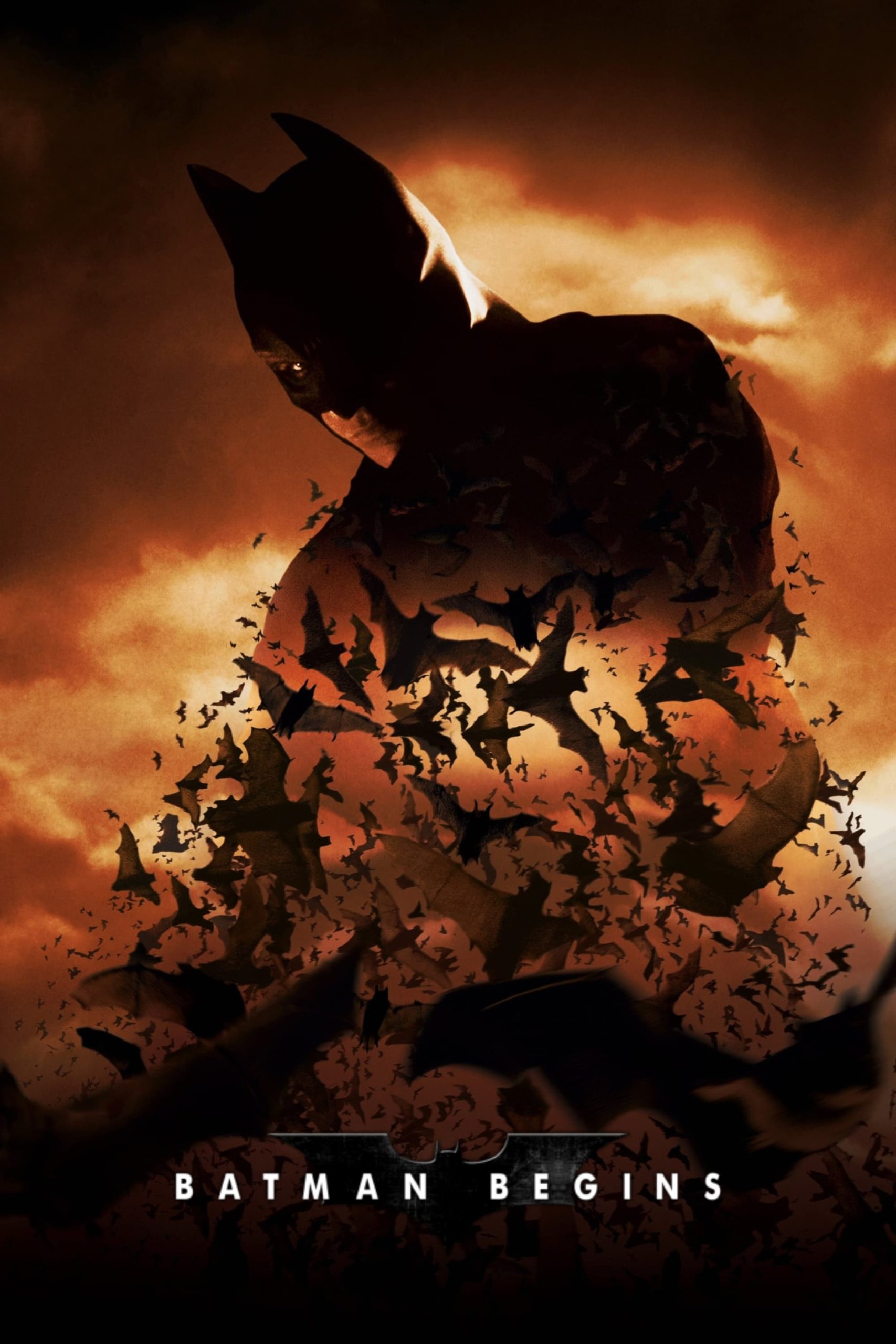
Plot Summary
When I first watched Batman Begins, Christopher Nolan’s approach to the origin story instantly set it apart from any superhero film I’d experienced before. Rather than jumping immediately into the action, Nolan crafted a narrative that lingers on trauma, fear, and the search for meaning. The movie, for me, felt like a meditation on how loss and adversity forge one’s values, and that’s precisely why I found it so immersive.
The film follows a young Bruce Wayne, who is haunted by the murder of his parents in Gotham City—a place riddled with crime and corruption. But unlike many origin tales, this story spends real time with Bruce’s pain and confusion, allowing us to understand his need for vengeance and ultimately, justice. We see his journey, spiraling from privilege into desolation, traveling the globe to understand criminality from the inside out. The narrative then charts his transformation from a traumatized orphan to the symbol Gotham desperately needs: Batman.
Early scenes show Bruce confronting his own fears, especially his relationship with bats, setting up fear as both a vulnerability and a weapon. He is mentored by Henri Ducard, a figure whose philosophy straddles the line between justice and outright vengeance. This strand of the story is what I consider the film’s true engine: It interrogates the reasons someone would choose to fight for good when the world seems irredeemable.
As Bruce returns to Gotham, he’s confronted with the city’s rot, embodied by mob boss Carmine Falcone and the sinister Dr. Jonathan Crane, known as Scarecrow. There’s a layered plan to destabilize Gotham through fear and chaos, making Bruce’s mission even more pressing. If you’re sensitive to spoilers, be warned that subsequent sections reference events up to the halfway point but avoid major endgame reveals.
Bruce, using his newfound skills and resources (including Lucius Fox’s technical genius and Alfred’s loyalty), crafts the identity of Batman. He isn’t just fighting thugs in an alley; he’s waging psychological warfare. I appreciate that the story isn’t about superhuman abilities, but about willpower, intelligence, and the strategic use of fear. Throughout, the film keeps returning to the central question: Is Batman a force for hope, or is he only adding to the darkness that defines Gotham?
Key Themes & Analysis
What struck me most about Batman Begins is its nuanced portrayal of fear as both a destructive force and a tool for personal empowerment. The story draws a clear line between vengeance and justice. As I watched Bruce struggle with the loss of his parents, it was evident that the narrative doesn’t glorify violence; instead, it interrogates the motivations behind vigilantism. Through my eyes, Batman is less an invincible hero and more a profoundly wounded human being, weaponizing his trauma while wrestling with his own limitations.
I’d argue that the cinematography and production design are critical to the film’s atmosphere. Wally Pfister’s use of shadow and light elevates Gotham into a palpable urban nightmare, rather than a colorful comic book city. Each misty alley and opulent manor is drenched in visual symbolism about duality, secrecy, and corruption. The city is a labyrinth, echoing Bruce’s psychological disorientation.
Nolan’s directing style in this film immediately felt transformative for the superhero genre. He anchored the narrative with real-world stakes, emphasizing practical effects over digital wizardry. That gave every chase scene, every grapple, an unusually tactile sense of danger. I remember being especially impressed by how hand-to-hand fights were filmed: quick, claustrophobic, placing me right in the flurry, mirroring the confusion and adrenaline experienced by Bruce himself.
The performances, for me, are what make the journey truly resonant. Christian Bale delivers a Batman who is as vulnerable as he is formidable. His Bruce Wayne isn’t just playacting as a billionaire; he’s actively struggling to juggle his public persona and his private grief. Michael Caine brings a warmth and depth to Alfred, grounding the story emotionally. Liam Neeson’s mentor figure feels fatherly but carries a chilling edge, embodying the film’s theme of how good intentions can take a dark turn. Even the supporting cast, particularly Cillian Murphy as Scarecrow and Gary Oldman as the stalwart Jim Gordon, bring a realism and gravitas that elevated the stakes in every scene.
What stands out to me, though, is how the film never glorifies Bruce’s journey or frames it as an easy answer to Gotham’s problems. The story constantly circles back to the risk of escalation—if Batman introduces theatricality to Gotham’s criminals, what comes next? In that sense, the film isn’t just about the rise of a hero but about the inherent danger of myth-making and the cost of hope. Every time Batman prevails, there’s an underlying question about the consequences of his actions, something I find incredibly brave for a blockbuster to explore.
The musical score by Hans Zimmer and James Newton Howard lingers with me long after the credits roll. The urgent, almost haunting motif accompanying Batman’s rise gives the film emotional propulsion and underscores its psychological focus. It isn’t a triumphant fanfare; it’s a call to vigilance and uncertainty.
My Thoughts on the Historical & Social Context
I believe the timing of Batman Begins in 2005 was crucial. The early 2000s were rife with anxieties about safety, terrorism, and the fragility of social order—a period defined by the aftermath of 9/11 and rising cynicism toward institutions. I found Nolan’s reboot resonated deeply because it expressed these collective concerns through a superhero prism: Gotham isn’t just a fictional city, but a reflection of a world edging towards chaos and searching for justice in flawed systems.
What struck me was how the film grapples with the fine line between justice and vigilantism. In the world outside the theater, conversations about security and personal responsibility were front and center. I felt Batman’s story captured a certain societal mood: the urge to take action when it feels like formal institutions have failed. Yet, the film is careful—at least, from my perspective—to show that going outside the system has costs, both personal and societal.
There’s another layer that resonates for me even now. The depiction of corruption felt prophetic, given the financial and political scandals that emerged later in the decade. In many ways, I see Gotham’s rot as a mirror to real-life concerns about systemic dysfunction and the temptation to resort to extreme solutions. Batman’s struggle isn’t just about defeating criminals; it’s about finding a path forward in a world that resists easy answers.
In today’s context—where conversations about mental health, generational trauma, and institutional trust are even more prevalent—I find that the film’s exploration of trauma, fear, and personal identity feels more relatable than ever. For current audiences, the movie still asks the same uncomfortable questions: How do we confront our deepest fears, and what kind of hope can we build from that confrontation?
Fact Check: Behind the Scenes & Real History
Delving into the production of Batman Begins reveals several nuggets I find fascinating. First, I discovered that Christian Bale’s casting was far from guaranteed. Nolan auditioned around eight actors, including Cillian Murphy (later cast as Scarecrow). Bale clinched the role with a screen test in the full Batman suit, adopting a gruffer voice—an early sign of how committed he was to embodying the duality of Bruce Wayne.
I was struck by the decision to prioritize practical effects over CGI. The Tumbler (Batman’s armored vehicle) wasn’t just a digital creation; it was a fully functional, custom-built machine capable of real high-speed chases and stunts. When I learned that the scene of the Tumbler jumping across rooftops was done with a real car, not visual trickery, it elevated my appreciation for how the film delivers authentic action scenes with genuine stakes.
Another detail that grabbed my attention is how the film’s depiction of Gotham emerged from fusing real-world cities. Nolan combined aspects of Chicago’s architecture and London’s street-level grit, creating a city that felt lived-in and plausible. Rather than relying on computer-generated skylines, Nolan insisted on filming in dense urban areas to ground the movie’s aesthetic in recognizable reality.
It’s also worth noting that while the film isn’t based on a “true story,” Nolan and screenwriter David S. Goyer drew inspiration from several classic Batman comic arcs. I noticed elements from “Batman: Year One” and “The Long Halloween” woven throughout the plot, but the interpretation is uniquely cinematic, formally and thematically tailored to the anxieties of the new millennium.
Why You Should Watch It
- It redefined the superhero genre by treating its subject matter with psychological depth and realism, making it feel urgent for both fans and newcomers.
- The film delivers grounded, visceral action sequences, relying on practical effects and choreography that genuinely immerse you in Gotham’s world.
- The ensemble cast delivers standout performances, crafting intense, memorable characters whose motivations feel earnestly human—even within a story about caped crusaders.
Review Conclusion
After revisiting Batman Begins, I’m continually struck by how much it reshaped the cinematic landscape for superhero stories. Nolan’s commitment to realism, moral ambiguity, and psychological complexity didn’t just revitalize Batman; it set a template for grounded, character-driven blockbusters. To me, the movie stands as a clear testament to how genre filmmaking can aspire to something more—digging into the currents of fear, hope, and personal responsibility beneath the surface spectacle.
I find myself thinking not just about Batman, but about how the film invites us to question our own relationship with darkness—how we make meaning from loss and how we choose to act in an uncertain world. It is this emotional undercurrent that keeps me coming back to it, long after the Batmobile screeches offscreen.
My star rating: 4.5/5. For me, it remains one of the most cohesive and thoughtful modern superhero epics—a movie that honors its comic book origins while carving out an identity entirely its own.
Related Reviews
- The Dark Knight (2008): Nolan’s direct follow-up dives even deeper into moral chaos, escalating everything Batman Begins introduced. If you’re drawn to the psychology of heroes and villains, Heath Ledger’s iconic turn as the Joker makes this an essential companion film.
- Skyfall (2012): Sam Mendes’ James Bond entry channels similar themes of loss, legacy, and the burden of secrecy. I find it compelling for viewers who appreciate a grounded reinvention of a beloved pop culture figure, exploring both myth and vulnerability.
- Logan (2017): Mangold’s Wolverine story is raw, emotionally charged, and unafraid to interrogate the cost of violence and heroism. I recommend it for those who crave an even more intimate, character-focused take on the superhero genre, echoing the moral dilemmas of Batman Begins.
- Joker (2019): Though a much darker descent, Todd Phillips’ film scrutinizes societal failures and individual trauma—perfect for viewers interested in Gotham’s underbelly and the human psychology behind its most notorious figures.
If you want to explore this film beyond basic facts, you may also be interested in how modern audiences respond to it today or whether its story was inspired by real events.
🎬 Check out today's best-selling movies on Amazon!
View Deals on Amazon