
Plot Summary
Few films have left as visceral a first impression on me as Batman did the very first time I watched it. Tim Burton, whose distinctive touch would forever alter the superhero landscape, immersed me in a world both brooding and bizarre from the opening moments. While on the surface, Batman is a superhero film, I quickly realized it’s really about the conflict between dual identities—hero and villain, truth and spectacle, light and shadow. It follows Bruce Wayne, Gotham’s elusive billionaire, as he dons the mantle of Batman and tangles with the erratic, charismatic Joker. The story splinters into Gotham’s fight for its soul, centering less on traditional crime-fighting and more on the personal, obsessive crusade each character wages—against themselves as much as each other.
Without giving away the film’s major twists and turns, I can say I was struck by the way Burton handles the spiraling transformation of Jack Napier into the Joker. I watched not merely a man gone bad, but a force of chaos that doubles as a mirror for Wayne’s own damaged psyche. Amidst the operatic set-pieces—cathedral showdowns, chemical plant calamities, Rube Goldberg crime sprees—what I remember most are the shadows and silences between the action. There’s an almost gothic anxiety about what lurks behind every mask, literal and figurative. The film never lingers too long on any one plot point, but instead weaves together an urgent, feverish tapestry of chase, escape, and reinvention. If you haven’t seen it, consider yourself warned: the most rewarding details often lie in unexpected corners, not just the big moments.
Key Themes & Analysis
The more I revisit this film, the clearer it becomes that Batman (1989) isn’t just superhero entertainment—it’s a meditation on fractured identity, urban decay, and the seductive pull of myth. What truly haunts me is the way Burton amplifies these themes through every element of the film’s design, from Anton Furst’s labyrinthine Gotham to Danny Elfman’s magnificent, melancholic score. Gotham City is shot like a modern fever-dream—its gutters and cathedrals beg the camera to blur the line between fantasy and nightmare. I constantly feel as if I’m watching the city itself suffocate under the weight of its own secrets.
Jack Nicholson’s Joker is, for me, one of the great cinematic wild cards. It’s not just that he’s maniacal and colorful—he’s a villain consumed by self-awareness, almost poetic in his nihilism. I can never look away from his performance; every grin and gesture pulses with a grotesque charm that somehow makes the horror magnetic. In contrast, Michael Keaton’s Batman resonates through understatement. His Bruce Wayne isn’t a playboy caricature—he’s a stumbling, introverted misfit whose awkwardness shields him more completely than his cowl ever could. I find myself drawn into Keaton’s subtle glances and pauses; he lets pain seep through the cracks of his controlled facade.
The film threads other, quieter themes that linger with me: the trauma of loss, the spectacle of heroism, and, above all, the fear of the self. For Burton, the Bat and the Clown are not just rivals—they’re distorted reflections. Each has been marked by violence, both responding in extravagantly different ways. The action–from Batmobile chases to smoky rooftop battles–is visually spectacular, but what lingers in me are the psychological confrontations, the strange vulnerability underlying every showdown. The most daring thing about Batman is how often it pauses to let its characters bask in their own strangeness.
The cinematography’s fusion of gothic and Art Deco styles has left a lasting impression on me. Every shot seems to force the audience to choose: are we in a timeless tale or an expressionist dream? Burton never lets me get comfortable. Lighting is never neutral—deep, theatrical shadows and garishly luminous Joker scenes keep me feeling as if the city itself is alive and restless. The creative decision to shoot on massive, hand-built sets rather than relying on location footage adds a claustrophobic, otherworldly feeling that I’ve never been able to shake.
Partly, I believe the film’s emotional core comes from its willingness to let its darkness breathe. Kim Basinger’s Vicki Vale isn’t a damsel so much as a window into the confusion wrought by Gotham’s war of doubles—a role that feels more personal every time I reflect on the layers of her fear and curiosity. I sometimes wonder if the heart of the film is less about heroics than about how Gotham (and by proxy, the viewer) is forced to come to terms with madness as a condition for any sort of catharsis.
My Thoughts on the Cultural Impact & Legacy
Whenever I revisit Batman’s 1989 release, I feel as if I’m sitting at the epicenter of a pop-cultural earthquake. This wasn’t just a movie—it was the moment superhero cinema announced it could be more than just camp or Saturday morning cartoons. I was too young to catch its immediate shockwaves on release, but its impact has permeated every comic adaptation and genre film I’ve digested since. As a curator of film culture and analysis, what resonates with me most is how Burton’s Batman managed to fuse countercultural gothic weirdness with mass-market spectacle—something I still see echoed in the best modern blockbusters.
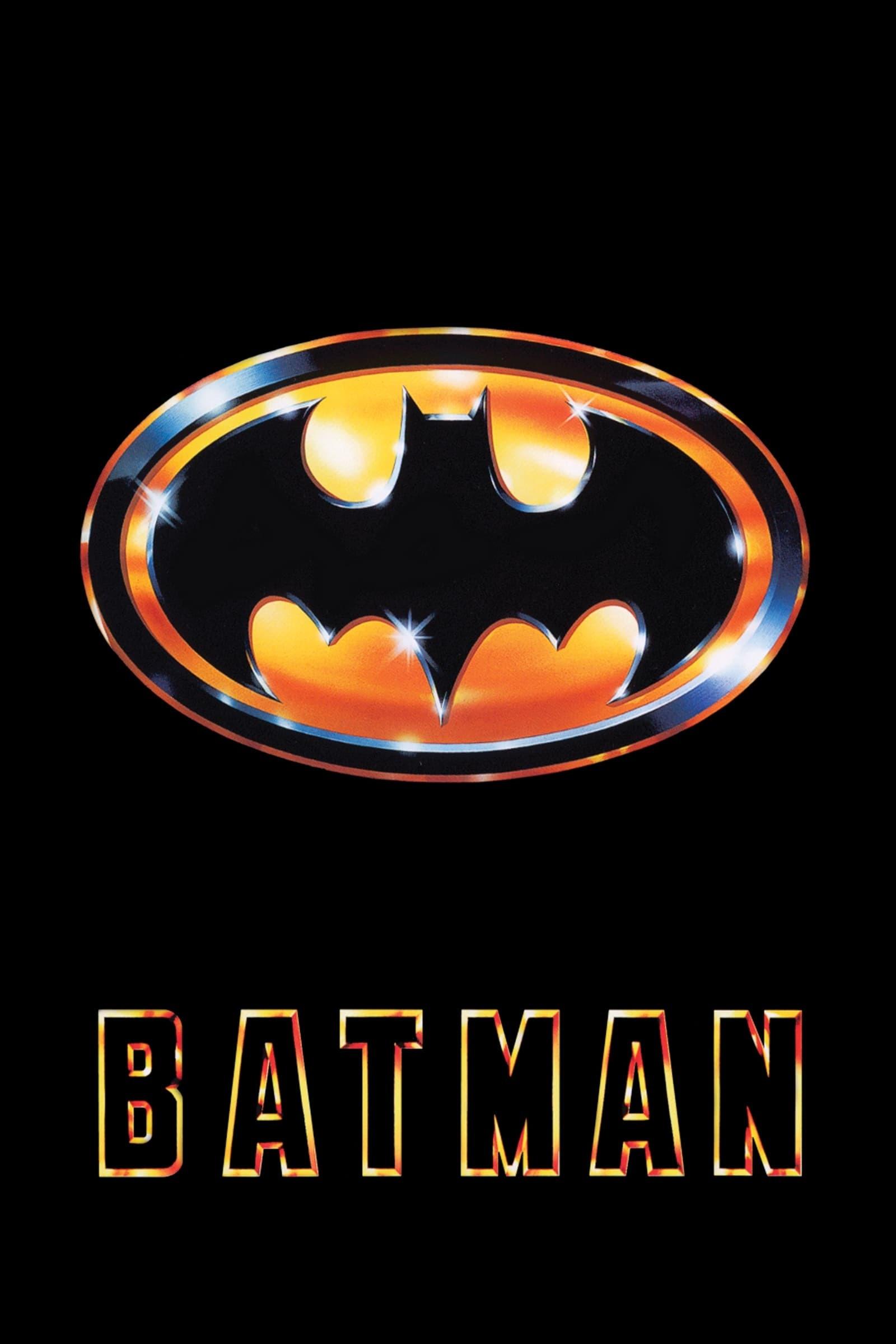
Before this film, the general public’s sense of Batman was largely defined by the colorful irreverence of the 1960s television series. I often marvel at how boldly this version repositioned the character as a psychologically-scarred antihero, setting the tone for everything from Christopher Nolan’s brooding reboots to the kinetic darkness of later Marvel and DC offerings. The movie wasn’t just visually influential. It effected a shift in what audiences could expect from tone, music, and even merchandising: Elfman’s score redefined what a superhero theme could be—haunting, triumphal, and unmistakable—and the bat-logo became an icon unto itself.
For me, few cinematic trends in the years that followed didn’t borrow something from Batman’s recipe—a willingness to let a blockbuster be both strange and grandiose. Even now, I find myself comparing every big-screen comic adaptation to the audacity and visual flair of Burton’s original. Personally, it shaped my sense that films didn’t have to choose between being popular and being artful. When I think about the lasting legacy of Batman, I see it in the dialogue between spectacle and subversion—the sense that the most enduring pop artifacts are those that risk being genuinely weird.
Fascinating Behind-the-Scenes Facts
I’ve always found Batman’s production history as thrilling as anything that happens on screen. One tidbit I obsess over is Michael Keaton’s casting. At the time, fans were incensed—a comedic actor as the Dark Knight? As a lifelong fan of surprises, I love how Keaton and Burton turned audience expectations upside down. Not only did Keaton bring a soft-spoken melancholy that’s since become iconic, but his performance helped redefine Batman for an entire generation.
Then there’s the story of Gotham City itself. The now-legendary production designer Anton Furst constructed much of Gotham’s decaying, Art Deco nightmare at England’s Pinewood Studios, filling the massive soundstages with elaborate, layered sets. I learned that the set’s scale forced the British crew to continually improvise solutions just to fit everything together. The resulting city feels both lived-in and grotesque, a true character in its own right. For me, that urban fever-dream aesthetic has never been matched.
I can’t ignore Jack Nicholson’s influence on the film’s tone, either. It’s wild to recall that Nicholson secured an unprecedented deal that gave him a percentage of the film’s total gross, as well as top billing and significant creative input. That negotiating genius ended up netting him a windfall rumored to exceed $50 million, but for me, it’s the sense of playful menace Nicholson brings to every scene that feels most valuable. Knowing how he helped shape even the Joker’s makeup and costuming makes his performance feel even more singular.
Why You Should Watch It
- It set the template for modern superhero films, mixing dark, mature themes with grand-scale spectacle.
- The performances—especially Jack Nicholson’s Joker and Michael Keaton’s Batman—remain among the most memorable in comic book cinema.
- TIm Burton’s imaginative direction and the film’s immersive gothic visual style create a world unlike any other superhero movie.
Review Conclusion
Whenever someone asks me what makes a classic superhero film, I’m always drawn back to Batman’s volatile blend of artistry and intrigue. From Burton’s credibly visionary direction to the emotional intensity running beneath its surface, I’m reminded that great pop culture can challenge as much as it entertains. No matter how many iterations the genre spins out, I don’t think any subsequent Batman has rivaled this film’s persuasive collision of darkness, humor, and operatic myth-making. If you’ve never seen it—as a cinephile, a comic fan, or just a seeker of singular movies—I can recommend it without hesitation. My rating: 4.5/5.
Related Reviews
- Batman Returns (1992) – For anyone captivated by the quirky gothic style and psychological undercurrents of Batman (1989), the immediate sequel dives even deeper into Burton’s moody world. I feel its villains are even more tragic and complex, and its atmosphere even richer in dark fairytale logic.
- The Crow (1994) – When I crave another film set in a rain-soaked, corrupted city and starring a masked antihero haunted by trauma, this cult classic never disappoints. The Crow borrows much from Batman’s noir style, synthesizing it into a raw, rock-infused revenge fantasy that’s equally powerful.
- Darkman (1990) – I see a clear throughline from Batman’s twisted heroics to Sam Raimi’s imaginative, hyper-stylized Darkman. Both films blend comic book motifs with horror and pulpy sentiment, forging cinematic worlds where identity feels as volatile as any physical threat.
- V for Vendetta (2005) – When I reflect on how superhero films can be vehicles for societal critique as well as personal drama, this adaptation stands out. It borrows from Batman’s willingness to make its masked protagonist an ambiguous symbol, equally inspiring and unsettling.
For readers looking to go deeper, these perspectives may help place the film in a broader context.
🎬 Check out today's best-selling movies on Amazon!
View Deals on Amazon