Plot Summary
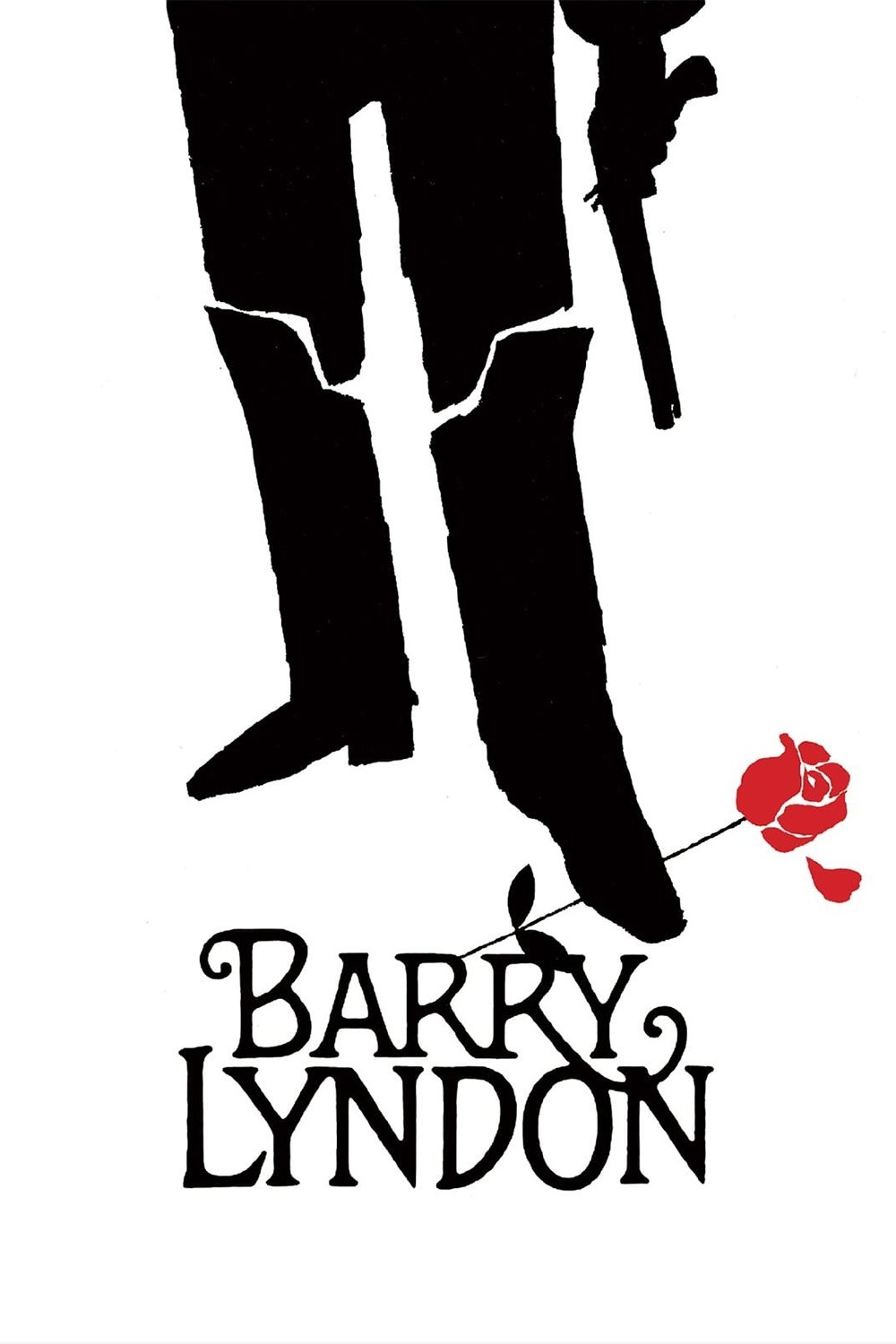
I remember the first time I watched Stanley Kubrick’s period drama “Barry Lyndon”, I felt swept away as if I’d stepped onto the same sprawling Irish hills and candlelit ballrooms the characters inhabited. Kubrick’s mastery in crafting a setting so lived-in gave the film an immediate dreamlike quality for me, even as it kept me at a critical distance from its titular hero. At its heart, the story centers on Redmond Barry, a young Irishman who sets himself on a relentless quest to rise above his modest origins. Seeking love, status, and security, Barry’s journey unfurls across 18th-century Europe, touching on war, romance, and high society—all painted in opulent detail. There’s a sense of fate to the arc Barry traces; every carefully composed frame telegraphs both his ambition and the perils it brings.
Without spoiling any pivotal twists, I can say that Barry’s narrative is tinged with an underlying melancholy. As I watched him maneuver through duels, marriages, and intrigues, I felt the gradual weight of consequences settling on his shoulders. The film’s structure—neatly divided into two parts—gives me the impression of reading a grand, ironic novel, one where fate seems to toy with every decision Barry makes. The story is less about whether he succeeds, and more about what such striving costs him, and those around him.
Key Themes & Analysis
Few films have ever made me think so deeply about the price of ambition and social aspiration as “Barry Lyndon.” Kubrick’s take on emerging class consciousness in 18th-century Europe feels as sharp and relevant as anything I’ve seen on screen. I’m fascinated by how the director frames his protagonist—not simply as a figure chasing glory, but as a man warped by the relentless demands and expectations of a society obsessed with titles and appearances. For me, the film’s defining theme is the corrosive nature of social climbing.
Every time I rewatch this movie, I’m struck by how Kubrick’s infamous compositional rigor—his patience, his precise use of natural light, the tableaux vivant staging—transforms the lush settings into metaphorical prisons. The candles and sunlight pouring through windows are visually stunning, but I see them as deliberate cages: beauty doubling as confinement. Ryan O’Neal’s performance as Barry seems understated to some, but I find his restraint revealing; there’s a blankness, a sense of mystery, hints of yearning and insecurity that seem to ripple under his calm exterior. I interpret his relative passivity not as lack of talent, but as a reflection of a character who is simultaneously actor and victim in his own story.
One of the greatest pleasures of “Barry Lyndon”—and what continues to captivate me—lies in its ironic voiceover narration. The dry, sometimes mordant commentary makes me acutely aware that everything I’m watching plays out in the shadow of the protagonist’s ultimate downfall. There’s both affection and cynicism in the narration, which ironizes Barry’s triumphs and undercuts the apparent grandeur of his newly-won nobility. Kubrick’s tone is never sentimental: the film both immerses me in the pageantry and invites me to stay detached, to study every character like a pawn on a chessboard.
The supporting cast, particularly Marisa Berenson as Lady Lyndon and Leon Vitali as the perpetually wounded Lord Bullingdon, bring a haunting emotional gravity to their roles. Berenson, with her mournful presence, makes me feel the unspoken sacrifices required by tradition, while Vitali’s simmering resentment—his intensity growing with each scene—feels to me like the quiet thunder beneath the film’s final acts. Every side character seems to embody some facet of the society that produces and consumes men like Barry; I find myself as invested in their fates as I am in his.
Visually, “Barry Lyndon” represents, in my opinion, the apex of Kubrick’s obsession with authenticity. I’ve never seen a film where the cinematography does so much to serve the thematic weight. Kubrick and cinematographer John Alcott’s use of custom-modified lenses—famously designed for NASA to capture candlelit scenes—enhances the sense that I’m peeking through a window into the actual 18th century. Every visual choice, from languid zooms to frame compositions echoing classical paintings, reinforces the film’s meditation on artifice and reality, social theater and personal truth.
My Thoughts on the Historical & Social Context
When I reflect on the mid-1970s context in which “Barry Lyndon” emerged, I find myself drawn to the way society at that time was grappling with questions of identity, class mobility, and the emptiness of traditional accolades. It’s hard for me not to see Kubrick’s adaptation as a deliberate response to the disillusionment coursing through post-1960s Western society. Audiences in 1975 had just witnessed a decade rife with upheaval and broken promises—wars, political upheaval, crisis of faith in institutions. I see Barry’s journey as a sly commentary on the American Dream gone awry, cleverly masked under the guise of 18th-century Europe.
For me, the bitter irony that permeates every scene in “Barry Lyndon” links directly to Kubrick’s skepticism about the institutions that shape our world. Watching this film today, I’m struck by how its themes of status anxiety and performative success resonate in modern life. If anything, the commodification of image and the relentless pursuit of surface-level achievement feel even more intense in the era of social media and branding. The film’s detachment and dark humor prod me to consider: What is truly gained when one sacrifices personal authenticity for external validation? I find the resonance both timely and unsettling. “Barry Lyndon” matters to me not because it tells a universal rags-to-riches story, but because it exposes the hollowness at its core, both in the 18th century and today.
Fact Check: Behind the Scenes & Real History
As someone intrigued by the interplay between historical narrative and cinematic invention, I’ve delved into the lore of “Barry Lyndon” and turned up several compelling insights. First and foremost, I’m continually amazed by the technical innovations Kubrick spearheaded for this film. To authentically replicate the era’s lighting, the crew famously used special Carl Zeiss lenses originally developed for NASA, making it possible to shoot scenes by candlelight alone. The result—soft, painterly images—remains, for me, one of the most visually iconic elements in cinema history. It’s impossible not to appreciate the sheer obsessive dedication required for this achievement.
I’m equally fascinated by the casting process. Kubrick initially wanted a major star—like Robert Redford—to play Barry, but after rejecting several high-profile actors, he settled on Ryan O’Neal. While critics at the time questioned his selection, I find O’Neal’s performance arresting exactly because he plays Barry as a cipher, allowing the audience to project their own ambitions and insecurities onto him. The divisive nature of this casting only enhances my appreciation for Kubrick’s willingness to sacrifice commercial appeal for thematic fidelity.
When comparing the film’s events to historical reality, I often find myself pondering Kubrick’s relationship with accuracy. While “Barry Lyndon” meticulously recreates the aesthetics and customs of the 1700s, the narrative itself, drawn from William Makepeace Thackeray’s satirical novel, is filled with deliberate exaggerations and ironies. What strikes me as especially fascinating is how Kubrick uses the façade of historical accuracy—as embodied in the costumes, decor, and dialogue—to quietly undermine romanticized notions of the past. Despite its fidelity to visual detail, the film’s message is fundamentally modern and ironic.
Why You Should Watch It
- The film’s breathtaking visuals and technical innovations make every frame a work of art, unmatched in authenticity and beauty.
- Kubrick’s razor-sharp social commentary challenges you to reflect on ambition, identity, and the true cost of success—issues as relevant now as ever.
- The performances, particularly Ryan O’Neal’s enigmatic lead and the haunting supporting cast, deliver complex emotional layers within a masterful narrative.
Review Conclusion
After spending hours absorbed by the rich textures and ironic grandeur of “Barry Lyndon,” I can say this film remains, for me, one of the boldest and most meticulously crafted historical dramas I’ve ever seen. Where so many period pieces are content to wallow in sentimentality, Kubrick’s rigor and detachment force me to examine both the beauty and cruelty of striving for societal approval. I do not watch this film for comfort or easy answers; I return to it for its capacity to mesmerize and unsettle, to prompt reflection on where I stand in the eternal struggle between appearances and substance. For those with patience and curiosity, I believe “Barry Lyndon” is a triumph of art and intellect, deserving a 5/5 star rating in my estimation.
Related Reviews
- “The Duellists” (1977): Ridley Scott’s directorial debut recalls much of Kubrick’s visual precision and atmospheric detail. I recommend it for its similarly obsessive dedication to the mores and personal feuds of the Napoleonic era, making it an excellent companion piece for those fascinated by the aesthetics and quiet brutality of “Barry Lyndon.”
- “The Leopard” (1963): Luchino Visconti’s epic also contemplates the decline of an aristocratic class, filtered through spectacular historical set pieces. What connects it to “Barry Lyndon” for me is a shared elegiac tone and a ruthless clarity about the cost of social transformation.
- “A Royal Affair” (2012): This Danish historical drama, while more conventionally structured, delves deeply into the intersection of personal aspiration and the sweeping changes of Enlightenment Europe. Its thematic kinship with “Barry Lyndon” makes it a thought-provoking watch for anyone interested in the intersection of power, reform, and romantic idealism.
If you want to explore this film beyond basic facts, you may also be interested in how modern audiences respond to it today or whether its story was inspired by real events.
🎬 Check out today's best-selling movies on Amazon!
View Deals on Amazon