
Plot Summary
Every time I watch Robert Zemeckis’s iconic blend of science fiction and comedy, I’m transported not just across time, but into an imaginative vision of American suburbia. The film introduces me to Marty McFly, a likeable teenager whose friendship with the eccentric inventor Dr. Emmett “Doc” Brown catapults him on an unexpected adventure. Set in the fictional Hill Valley, California, the story unfolds with Marty unwittingly taking a ride in Doc’s latest invention—a car that doubles as a time machine. What fascinates me most is how the DeLorean’s sudden burst of speed is both exhilarating and dangerous, sending Marty thirty years into the past to a time his parents were nothing more than awkward teenagers themselves.
From the outset, I found myself absorbed by the film’s layered structure—one where cause and effect ripple in unexpected ways. Watching Marty try to repair the damage he’s caused to his own family’s timeline made me reflect on how every decision in life can have unpredictable consequences. Although I’ll be careful to avoid specific spoilers, I think it’s worth noting how the script skillfully weaves suspense and humor, especially as Marty navigates the high-school landscape of the 1950s and dodges the clutches of the notorious local bully, Biff Tannen. The story balances tension and lightheartedness in a way that struck me as uniquely memorable, leading up to a daring sequence involving a clock tower that never fails to keep me at the edge of my seat—even after multiple viewings.
Key Themes & Analysis
What I find enduringly compelling about Back to the Future is its interrogation of destiny versus personal agency. The film constantly asks if our futures are set in stone or if, given the possibility, we could reach back and nudge them in a better direction. Every time I witness Marty’s struggle to reconcile his parents’ awkward teenage selves with the flawed adults he knows, I’m reminded how fragile relationships can be—and how much courage it can take to shape them differently. The irony that Marty must become a catalyst in his parents’ romance adds a deep layer of complexity I didn’t expect from what initially feels like a lighthearted adventure.
Visually, Zemeckis orchestrates the film with a sense of vivid nostalgia. I’ve always been struck by how he captures the visual contrasts between 1985’s muted earthiness and the pastel optimism of the 1955 scenes. Each shot feels meticulously composed, from the playful excesses of the Enchantment Under the Sea dance to the frenetic energy of the DeLorean’s first temporal leap—the cinematography managed by Dean Cundey gives the film a kinetic joy that never feels dated. The use of practical effects and clever camera work makes the film’s central set pieces—especially the climactic clock tower sequence—some of the most exhilarating in mainstream cinema, even in the era before CGI dominance.
As far as performances go, I can’t help but single out Michael J. Fox’s portrayal of Marty as both effortlessly comedic and surprisingly nuanced. He plays the quintessential ‘80s teenager with just enough vulnerability that every twist in the plot lands with emotional weight. Christopher Lloyd’s Doc Brown, equally unforgettable in his manic brilliance, is both outlandishly funny and sincerely heartfelt. Their chemistry is palpable and drives home the film’s emotional beats in a way that still feels authentic decades later.
If I had to name a core theme that resonates strongest, it’s the film’s meditation on regret and second chances. The narrative is playful, yet tinged with bittersweet moments, making me consider how seemingly small choices reverberate through our lives. There’s an optimism to Zemeckis’s direction—the idea that we’re never truly stuck, that with a spark of determination and a little help from our friends, it’s possible to course-correct even our deepest mistakes. It’s this generosity of spirit, underscored by Alan Silvestri’s dynamic score, that makes Back to the Future feel timeless to me, no matter how many years go by.
My Thoughts on the Historical & Social Context
What’s always fascinated me about Back to the Future is the way it straddles two sharply different eras of American culture. When I consider what 1985 represented—an age of rapid technological advancement juxtaposed with Cold War anxieties—I see the film as a product of both nostalgia and restless optimism. The 1980s were obsessed with the idea of progress, both real and imagined; the nation’s collective gaze was fixed on what the next gadget or innovation could bring. Yet, at the same time, so many cultural products—the movies, TV shows, and even advertisements—looked back at the ‘50s as an era of supposed innocence.
I feel like Zemeckis plays with these tensions thoughtfully. The glossier 1955 Hill Valley of Marty’s adventure is clearly an idealized projection—a world free from the economic worries and social anxieties that haunted 1985 audiences. Yet, beneath the film’s cheerful veneer, I recognize a subtle critique: the past is not as simple or idyllic as it appears. Gender dynamics, racial politics, and the realities of suburban life all poke through in ways that invite discussion. Watching from a current perspective, I find myself wrestling with the film’s depiction of certain social issues—a reminder that, while Back to the Future offers escapism, it can’t wholly escape the assumptions of its own era.
From my point of view, this film mattered in 1985 because it challenged viewers to consider their own legacies and the impact of their choices. In the decade after Watergate and the turmoil of the seventies, audiences were eager for reassurance that individuals could still matter—that a teenager with a skateboard and an eccentric scientist friend really could change the world. That feeling still resonates with me; in an era where many of us feel powerless against forces larger than ourselves, the film’s belief in personal agency and redemption lands as powerfully as ever.
Today, I find the film strikingly relevant in its optimism and its willingness to confront the messy, sometimes painful process of growing up. The idea that we can revisit the past—not to rewrite history, but to learn from it and forgive ourselves—feels just as urgent now as it did nearly 40 years ago.
Fact Check: Behind the Scenes & Real History
During my research into the film’s production, I discovered several gems that deepened my appreciation for its ingenuity. One of the most striking facts is that Michael J. Fox wasn’t originally cast as Marty McFly. The part was first assigned to Eric Stoltz, who filmed several weeks of scenes before Zemeckis decided Stoltz’s energy didn’t fit the film’s comedic tone. Watching footage of Stoltz that has since emerged, I’m fascinated by how drastically different the film might have felt before Fox’s arrival—a casting decision that changed the chemistry of the entire movie.
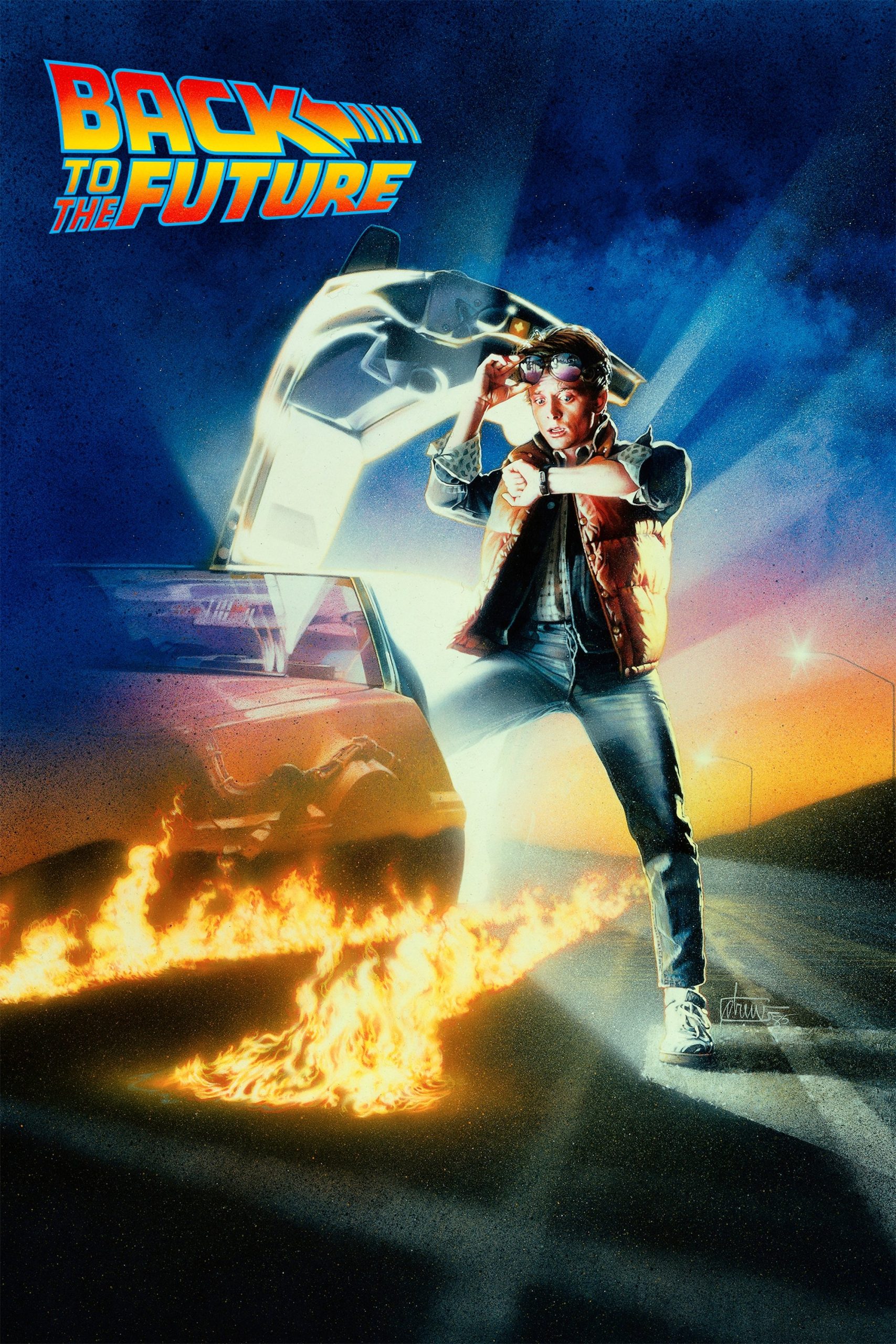
I also learned that creating the DeLorean time machine was an exercise in practical effects wizardry. At a time well before modern digital effects, the filmmakers used a combination of practical models and clever camera tricks to make the DeLorean’s time travel look convincing. That signature moment—sparks flying, those glowing blue tubes, and the flaming tire tracks—isn’t CGI at all, but a product of old-school craftsmanship that I still find magical. Seeing how genuinely surprised audiences were by this visual spectacle at test screenings made me realize how innovative Zemeckis’s team really was.
On the subject of historical accuracy, I’ve always been intrigued by the way the film skirts real-world events—Hill Valley serves as a stylized American dream more than a historically precise location. The film’s depiction of 1955, while lovingly detailed in its production design, is more about collective memory than factual reality. For example, the shiny chrome diners, spotless city square, and exaggerated 1950s slang are less authentic period details and more a reflection of post-World War II optimism as filtered through a 1980s lens. That’s not a criticism—it’s a fascinating reminder of how pop culture reshapes history to suit contemporary hopes and fears.
Why You Should Watch It
- A masterclass in blending adventure, comedy, and heartfelt drama—I rarely find films that juggle so many tones so seamlessly.
- Stellar performances from Michael J. Fox and Christopher Lloyd—their chemistry elevates the film beyond its premise.
- Inventive storytelling and practical effects—the film’s playful approach to time travel feels both fresh and technically impressive, even by modern standards.
Review Conclusion
Every time I revisit Back to the Future, I’m reminded why it holds such a central place in the canon of American cinema. The film is more than just a nostalgic trip; it’s a sincere meditation on family, friendship, and the daunting but exhilarating possibility of change. The blend of sparkling dialogue, innovative filmmaking, and genuine heart delivers an experience that continues to inspire—not just as a relic of the ‘80s, but as a living, breathing narrative that speaks to each new generation.
If I had to summarize my feelings in a star rating: 5/5. Few films manage to capture imagination, emotional honesty, and technical prowess quite like this one. For me, it’s the kind of movie I’m eager to share with friends, family, and anyone who needs a little reminder that fate is, ultimately, what we make of it.
Related Reviews
- “Bill & Ted’s Excellent Adventure” (1989) – I recommend this for its similarly joyous approach to time travel, buddy comedy, and a knack for folding historical periods into a madcap modern adventure. Like “Back to the Future,” it finds hope and humor in the idea that anyone can make history—sometimes by accident.
- “The Last Starfighter” (1984) – I think this film pairs well with “Back to the Future” thanks to its blend of relatable teenage longing and high-concept sci-fi. Both invite viewers to imagine suburban life as a launchpad to something extraordinary, wrapped in earnest optimism.
- “Peggy Sue Got Married” (1986) – I find this film’s take on returning to high school in the past grounds its fantasy in emotional realism. It shares with “Back to the Future” a fascination with the choices that shape our identities and gives a bittersweet edge to the dream of doing it all over again.
- “Real Genius” (1985) – For those who enjoy comedic takes on 1980s youth, innovation, and the potential for ordinary people to do amazing things, this film’s inventive energy mirrors the lighter, more playful side of Zemeckis’s style.
If you want to explore this film beyond basic facts, you may also be interested in how modern audiences respond to it today or whether its story was inspired by real events.
🎬 Check out today's best-selling movies on Amazon!
View Deals on Amazon