
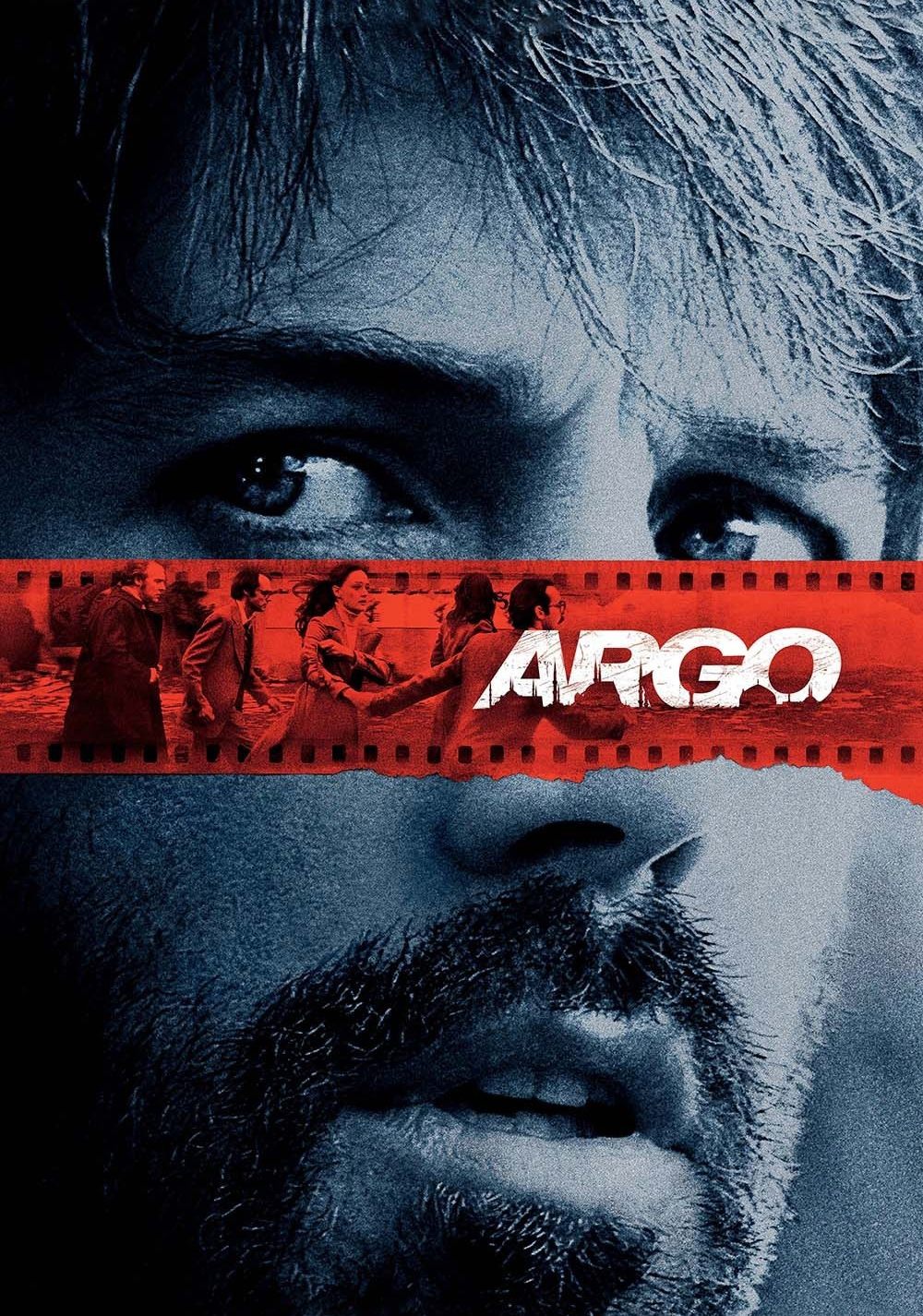
Quick Take: A gripping, high-stakes thriller that proves sometimes the most unbelievable Hollywood fictions are rooted in extraordinary historical truths.
Thrillers that blend historical fact with nail-biting suspense are rare, but “Argo”—helmed by director Ben Affleck—achieves that elusive feat. Released in 2012, this intense film falls firmly within the dramatic thriller genre, expertly balancing edge-of-your-seat tension with moments of human vulnerability. Affleck, who also leads the cast, takes audiences on a fascinating ride through international geopolitics, desperate escapes, and the secret world of espionage. From its opening moments, “Argo” draws the viewer into a crisis where every decision could mean life or death, all while offering a compelling glimpse into a little-known chapter of history.
Plot Summary
Set against the volatile backdrop of the 1979 Iranian Revolution, the story begins when the U.S. embassy in Tehran is violently stormed by protesters. While most employees are taken hostage, six Americans escape and find refuge in the home of the Canadian ambassador. As the revolutionary fervor grows, these six fugitives become potential pawns in a high-stakes international stand-off.
The plot centers around Tony Mendez, an experienced CIA “exfiltration” specialist played by Ben Affleck. Mendez’s risky solution? Pose as a Canadian film producer scouting exotic locations for a science fiction movie—dubbed “Argo”—and smuggle the American diplomats out under this elaborate ruse. The story follows Mendez as he enlists help from real-life Hollywood insiders: a makeup artist (John Chambers, portrayed by John Goodman) and a veteran producer (Lester Siegel, played by Alan Arkin). Together, this unlikely team constructs a fake production company, complete with scripts, promotional materials, and even media coverage.
Mendez’s journey takes viewers from the closed-door strategy meetings in Langley, Virginia, to distressed streets in Tehran and the lively hustle of Los Angeles’ movie scene. As the escape plan unfolds, each scene carefully ratchets up the suspense. The film masterfully balances moments of comic relief—a satirical dig at Hollywood’s eccentricities—with chilling sequences that remind viewers of what’s at stake.
Warning: Spoilers ahead. In the film’s climax, the group must pass through multiple layers of Iranian security at the airport, relying on their cover story and a bit of theatrical improvisation. Tension reaches its zenith as the Americans’ fates hang in the balance, culminating in a white-knuckle sequence that emphasizes both the fragility of their plan and the courage involved in executing it.
Key Themes & Analysis
“Argo” deftly weaves complex themes throughout its narrative. One of the most prominent is the idea of deception—for survival, rescue, and even entertainment. In both espionage and filmmaking, illusion and storytelling are tools for shaping reality. This is symbolized by the Hollywood aspect of the CIA’s ruse, which is as much about crafting a believable fiction as it is about actually making a movie.
The film also explores loyalty, courage under pressure, and the moral ambiguity of international politics. Ben Affleck, both in front of and behind the camera, excels at capturing the tension between individual safety and broader diplomatic consequences. The characters are driven not just by patriotism, but also by empathy and human decency, making their predicament deeply relatable.
From a cinematic standpoint, “Argo” employs a dynamic visual style. Cinematographer Rodrigo Prieto uses a grainy, period-accurate palette reminiscent of late-1970s newsreel footage, skillfully immersing viewers in the era. The film’s pacing—especially in its second half—is relentless, keeping audiences continuously on edge.
The directing demonstrates Affleck’s keen sense for suspenseful storytelling. He gracefully navigates shifts in tone, moving from moments of levity to sequences laden with dread. Supporting performances from Bryan Cranston, John Goodman, and Alan Arkin bring a grounded authenticity to their roles, lending credibility and emotional weight to every scene. Arkin, in particular, injects the proceedings with humor that never undercuts the tension, instead highlighting the absurdity inherent in the plan. The ensemble cast delivers nuanced portrayals, each character’s anxiety and resolve palpable onscreen.
Finally, the film thoughtfully interrogates Hollywood’s impact on public perception and global affairs. By turning the movie industry into a tool of covert operation, “Argo” comments on the line between fiction and reality—and what happens when the two intertwine in the most unlikely circumstances.
Historical & Social Context: The 1979 Iran Hostage Crisis
To fully appreciate Argo, one must understand the sheer volatility of the 1979 Iran Hostage Crisis. The film captures a pivotal moment in Cold War-era geopolitics when the transition from the Pahlavi dynasty to the Islamic Republic created a diplomatic vacuum. This period defined American foreign policy for a generation, and Affleck’s film serves as a visceral reminder of the tension between the two nations that persists to this day. By anchoring the suspense in real-world stakes, the film transforms a rescue mission into a profound study of international relations under fire.
Fact Check: How Much of Argo is True?
While Argo is celebrated for its authenticity, it does take significant “Hollywood liberties” to heighten the drama.
-
The Airport Climax: In reality, the group’s departure from Tehran was remarkably smooth and lacked the heart-pounding runway chase depicted in the film.
-
The Canadian Contribution: While the film centers heavily on the CIA, the actual “Canadian Caper” was a massive collaborative effort. In fact, the Canadian government and Ambassador Ken Taylor played an even more significant role in sheltering and exfiltrating the Americans than the film initially suggests.
-
The Script: The fake movie script was indeed a real science fiction project titled Lord of Light, which Tony Mendez and John Chambers repurposed for the mission.
Why You Should Watch It
- It offers an edge-of-your-seat blend of historical intrigue and suspense, captivating both history enthusiasts and thriller fans alike.
- The film’s authentic period aesthetics and sharp editing make for an immersive cinematic experience, pulling viewers into the chaos and urgency of the era.
- The star-studded cast, led by Affleck, delivers layered performances that elevate the story’s tension and humanity.
Review Conclusion
In conclusion, “Argo” is more than a riveting thriller; it is a testament to the courage and ingenuity displayed under extraordinary circumstances. Ben Affleck’s direction balances gripping suspense with emotionally charged character arcs, crafting a film that resonates on both intellectual and visceral levels. The razor-sharp screenplay, accomplished ensemble acting, and period-accurate visuals all contribute to a viewing experience that is as entertaining as it is thought-provoking. For those looking to immerse themselves in a film that seamlessly fuses real-world stakes with Hollywood theatrics, “Argo” is an essential watch. This gripping historical drama deserves a 4.5 out of 5 stars for its craftsmanship, pacing, and enduring relevance.
Expand Your Archive
If you found the blend of history and suspense in Argo compelling, we recommend exploring these further resources:
-
Read the Source Material: Dive into the real-life account by reading “The Master of Disguise” by Antonio J. Mendez, the real CIA officer portrayed by Ben Affleck.
-
Further Viewing: For another masterclass in slow-burn tension and linguistics, check out our review of [Arrival (2016)]. If you are interested in more political thrillers based on true events, “All the President’s Men (1976)“ is an essential companion piece to understanding American political history.
🎬 Check out today's best-selling movies on Amazon!
View Deals on Amazon