
Quick Take (My Perspective): To me, Arrival is a rare masterpiece that replaces typical Hollywood laser blasts with deep linguistic puzzles. It convinced me that our greatest mystery isn’t the aliens themselves, but how we choose to understand one another.
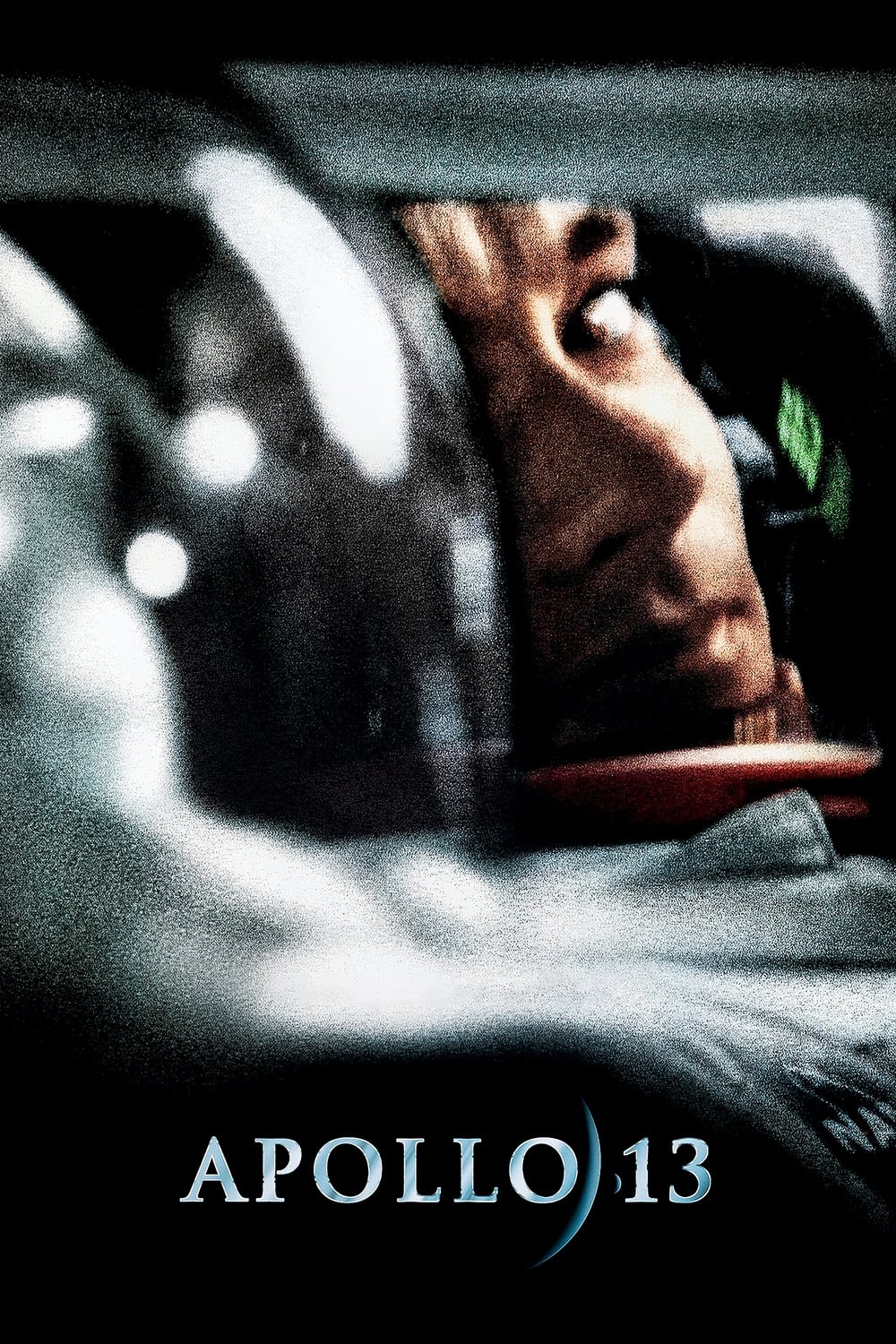
In the pantheon of space dramas, few films reach the heights of tension, realism, and emotional resonance achieved by Ron Howard’s 1995 masterpiece. Taking audiences on a harrowing journey alongside real-life NASA astronauts, this film stands out as a blend of gripping suspense and human triumph. Featuring a stellar ensemble cast, Howard expertly orchestrates a true story that’s both an ode to scientific ingenuity and a testament to teamwork under profound pressure. Whether considered a historical drama, a thriller, or a classic example of inspirational cinema, this film continues to capture imaginations decades after its release.
Plot Summary
The narrative centers around the ill-fated Apollo 13 lunar mission, which was meant to be a routine trip to the Moon in April, 1970. Guided by veteran astronaut Jim Lovell, joined by crewmates Fred Haise and Jack Swigert, the crew begins their mission with the highest hopes and expectations. The launch itself is smooth, but the situation rapidly becomes dire when an unexpected onboard explosion cripples the spacecraft’s oxygen and power supplies.
With their lunar dreams dashed, the crew’s primary focus shifts to survival. Every milestone is shadowed by new technical challenges as the astronauts work closely with NASA engineers and ground control in Houston. From creative solutions to resource scarcity to navigating the hazards of deep space, the mission’s story transforms from exploration to a desperate struggle to get home alive. Relationships are tested, communication is key, and every small triumph matters as the world anxiously watches—waiting for a sign that the crew will return safely.
Note: While this summary avoids explicit spoilers, those wanting to experience the suspense organically should watch the film before delving into detailed reviews.
Key Themes & Analysis
At the core of this cinematic experience is the unyielding triumph of the human spirit in the face of adversity. The film delves deeply into the theme of perseverance and resourcefulness, emphasizing how brilliant minds—working collaboratively under extreme pressure—can outmaneuver seemingly insurmountable obstacles. This isn’t just a spectacle of technical prowess, but a moving exploration of leadership, trust, and the collective will to survive.
The direction by Ron Howard is meticulous, balancing tremendous narrative tension with authentic emotional beats. Howard’s approach refuses to let the story’s outcome define its suspense. Instead, the director crafts scene after scene with escalating anxiety, making technical jargon accessible and elevating every minor problem to life-or-death status. Howard’s commitment to realism comes through in the painstaking recreation of spacecraft interiors and NASA’s Mission Control, immersing viewers in the 1970s setting without slipping into nostalgia or melodrama.
Cinematographer Dean Cundey creates a visual landscape that amplifies the claustrophobia of space travel while contrasting it with the openness and frenzied energy of Houston’s ground operations. Tight framing, subdued color palettes, and creative use of zero-gravity sequences draw audiences into the astronauts’ experience—the uncertainty, the fear, and the camaraderie. The sound design and James Horner’s evocative score further enhance the sense of immediacy and awe.
Acting is one of the film’s most robust pillars. Tom Hanks, as Jim Lovell, delivers a performance that deftly balances command, vulnerability, and relatability. Hanks turns Lovell into an everyman hero, making his struggle intensely personal. Ed Harris, as Gene Kranz, captures Mission Control’s determination, while Bill Paxton and Kevin Bacon round out the central crew with nuance and subtlety. The chemistry among the cast feels deeply authentic, driving home the emotional stakes at every turn.
A key hallmark of the film is its attention to procedural detail—the blend of technical accuracy and engaging storytelling. The script’s adept use of NASA jargon doesn’t overwhelm novices. Instead, it frames challenges in clear, relatable terms, highlighting the inventiveness and teamwork at the heart of the operation. Themes of ingenuity, sacrifice, and hope are woven seamlessly into every scene, ensuring the film’s impact transcends its historical subject matter.
My Thoughts on the Historical Context
Watching Arrival again recently, I was struck by how much it reflects our current world. When it was released in 2016, I felt it was a timely critique of our growing inability to communicate across borders. To me, the film’s portrayal of twelve nations struggling to share information isn’t just a sci-fi plot; it’s a mirror of the real-world diplomatic anxieties I see in the news today. It suggests that our greatest threat isn’t the “other,” but our own fear-driven silence.
Why You Should Watch It
- It offers a masterclass in suspenseful storytelling, drawing viewers into every twist and turn of a historic crisis.
- The film stands out for its authentic performances and accurate, respectful portrayal of both the astronauts and the NASA team on the ground.
- It provides a rare combination of technical accuracy and emotional depth, making complex real-life events accessible and riveting for all audiences.
My Final Verdict
Personally, I believe Arrival is a rare gem that uses its extraterrestrial premise to explore the very human challenges of empathy and loss. I was deeply moved by Amy Adams’s performance, which anchored the film’s complex ideas in genuine emotion. For anyone who, like me, is drawn to films that challenge the mind as much as they stir the heart, I give this a confident 4.5/5 stars.
For readers looking to go deeper, these perspectives may help place the film in a broader context.
🎬 Check out today's best-selling movies on Amazon!
View Deals on Amazon