
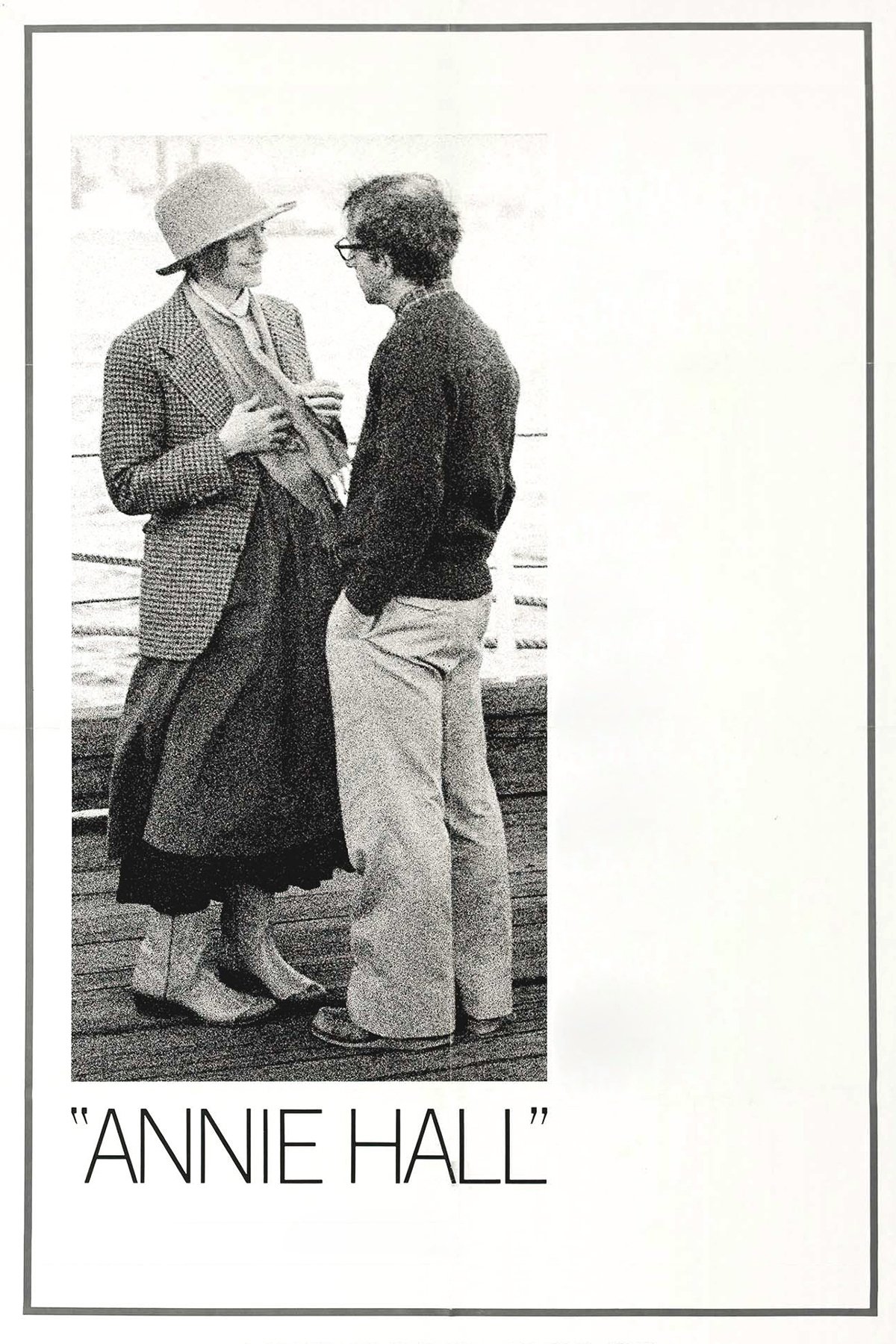
Few films in cinematic history have defined an era or genre quite so impactfully as Woody Allen’s “Annie Hall.” This sharp, bittersweet romantic comedy, released in 1977, is often cited as a cultural touchstone for its innovative approach to storytelling and its fresh, genuine look at modern relationships. In the hands of director Woody Allen, “Annie Hall” transcends the boundaries of a typical romance, delivering a unique blend of humor, vulnerability, and insightful commentary on love and identity that has resonated with audiences for generations.
Plot Summary
Set against the vibrant backdrop of New York City in the seventies, “Annie Hall” follows the neurotic and quick-witted comedian Alvy Singer, portrayed by Woody Allen himself. The film’s structure is non-linear, piecing together memories, as Alvy reflects on the rise and fall of his romance with the free-spirited and aspirational singer, Annie Hall, played brilliantly by Diane Keaton.
Presented almost as a stream-of-consciousness memoir, the story is narrated by Alvy, offering flashbacks to his early life in Coney Island, failed marriages, and most importantly, his endearing but complicated relationship with Annie. Through encounters that range from hilariously awkward to deeply heartfelt, viewers witness the pair navigate the ups and downs of love, ambition, self-discovery, and the chaos of urban living. Their courtship unfurls through witty banter, endearing eccentricities, and the small moments that make up any real-life romance.
Rather than following a conventional storyline, “Annie Hall” explores moments, conversations, and the details that define intimacy. Allen employs inventive techniques—breaking the fourth wall, animated sequences, and overlapping dialogues—to immerse viewers directly in Alvy’s psyche. The result is an evocative, mosaic portrait of attraction and the inevitable search for meaning within modern relationships. Warning: Mild Spoilers Ahead — Many of the pair’s most unforgettable experiences, from lobster-cooking disasters to nervous exchanges after their first meeting, reveal the authenticity and imperfection that define their connection.
Key Themes & Analysis
“Annie Hall” is rich with themes that continue to spark discussion among film enthusiasts and critics alike. At its core, the film is an exploration of love’s complexities and the yearning for connection in an increasingly fragmented world. Alvy and Annie’s journey becomes a meditation on the search for happiness, personal growth, and the challenge of reconciling individuality with intimacy.
Woody Allen’s directorial prowess is evident in the film’s narrative innovation. By employing flashbacks, fantasy sequences, and direct audience address, Allen disrupts traditional movie conventions, crafting an experience that is simultaneously introspective and universally relatable. The film gently blurs the boundary between art and life, autobiography and fiction, creating a work both personal and resonant with broader audiences.
Cinematographically, Gordon Willis’s work behind the camera imbues “Annie Hall” with warmth, subtle melancholy, and an intimacy uncommon in comedies of its era. The muted color palette and naturalistic lighting echo the honesty and vulnerability of the script, while New York City itself becomes an integral character—its bustling streets, cozy apartments, and cultural landmarks all shaping the couple’s experiences.
Performance is another linchpin of the film’s longevity. Diane Keaton’s portrayal of Annie is a career-defining turn, imbuing the titular character with both charm and complexity. Her distinctive style, a mix of androgynous fashion and earnest quirkiness, became iconic, influencing popular culture far beyond the film. Woody Allen, meanwhile, delivers a self-aware performance as Alvy, walking the line between neurotic self-examination and dry wit. The chemistry between Allen and Keaton is palpable, elevating every scene and giving their exchanges a sense of lived-in authenticity.
“Annie Hall” also digs into intellectual and cultural anxieties of the 1970s, from shifting gender expectations to the quest for self-actualization. Allen weaves clever jokes about psychoanalysis, urban alienation, and pop culture throughout the script, ensuring that every scene is dense with references yet always accessible. The film’s willingness to break cinematic “rules”—such as subtitled inner-monologues, time jumps, and animated interludes—speaks to its enduring influence, becoming a blueprint for countless romantic comedies and indie films that followed.
Why You Should Watch It
- It redefined the romantic comedy with groundbreaking storytelling that remains influential even decades later.
- The performances by Diane Keaton and Woody Allen masterfully capture both humor and pathos, making each interaction feel honest and relatable.
- For those who love films that engage both heart and mind, “Annie Hall” offers sharp humor alongside deep philosophical musings on love, memory, and identity.
Review Conclusion
In the landscape of romantic comedies, “Annie Hall” stands as a transformative work—one that bridges the personal and the universal with rare finesse. Woody Allen’s innovative direction and writing, together with the extraordinary chemistry between Allen and Diane Keaton, present a candid examination of love’s triumphs, disappointments, and absurdities. Even today, the film’s wit, emotional honesty, and cinematic daring remain as compelling as ever. “Annie Hall” is essential viewing for anyone interested in film history, clever storytelling, or the timeless conundrum of human relationships. On a five-star scale, this classic easily earns 4.5/5 for its originality, performances, and enduring impact.
For readers looking to go deeper, these perspectives may help place the film in a broader context.
🎬 Check out today's best-selling movies on Amazon!
View Deals on Amazon