
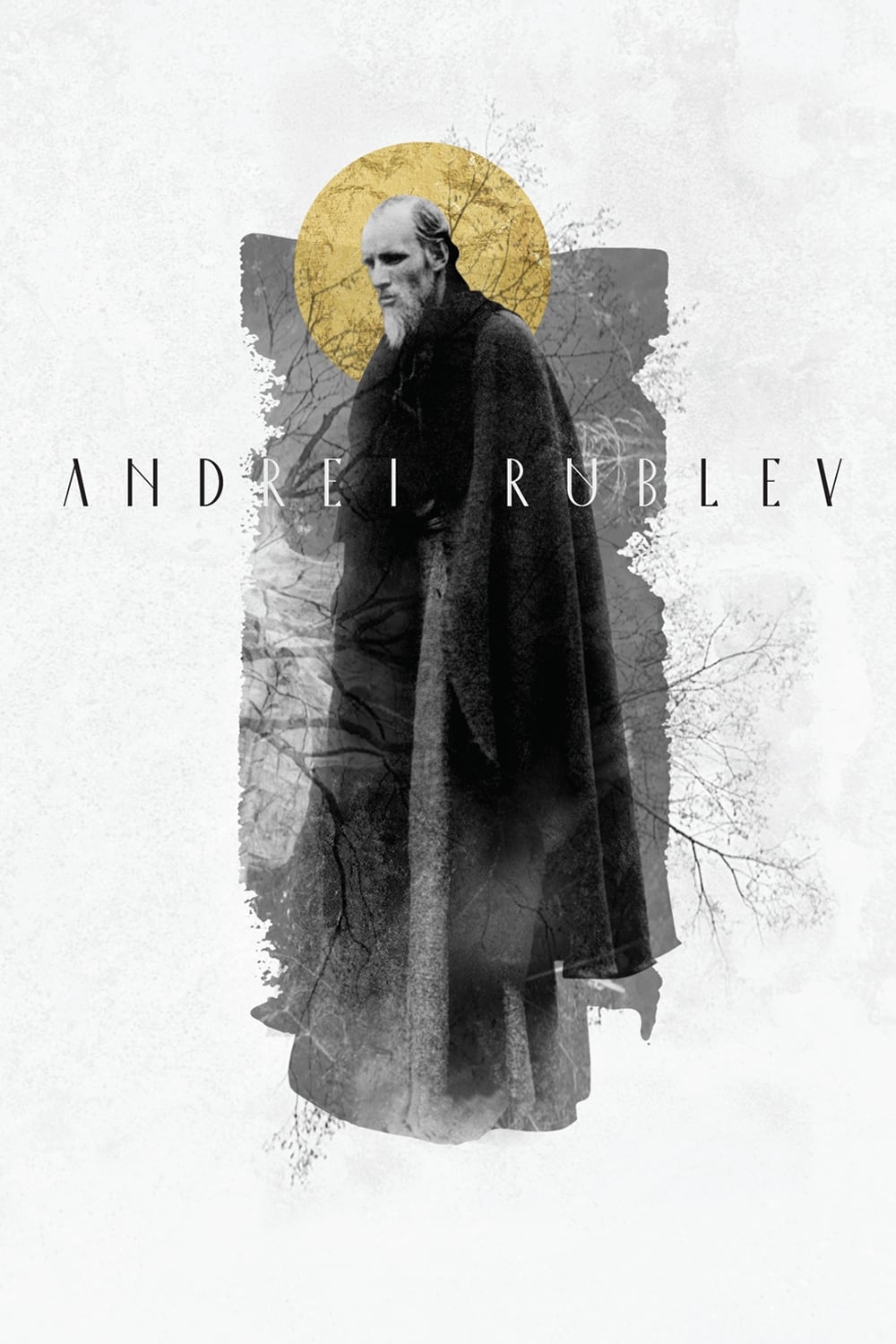
Riveting, immersive, and often challenging, “Andrei Rublev” stands as a monument of cinematic achievement. Directed by the legendary Andrei Tarkovsky, this film is an art-house drama that transcends the conventions of typical biographical narratives. Released in 1966, it has solidified its status among cinephiles for its meditative pace, philosophical depth, and visual storytelling prowess. Through its episodic structure, Tarkovsky paints a vivid and often stark portrait of a medieval Russia torn by turmoil, seen through the eyes of its most renowned icon painter. As both a historical meditation and psychological exploration, this film offers a compelling journey for those willing to immerse themselves in its world.
Plot Summary
“Andrei Rublev” unspools as a series of interconnected chapters chronicling a transformative period in the life of the Russian painter Andrei Rublev, a figure famed for his religious icons. Set against the tumult of early 15th-century Russia—a time marked by constant conflict, famine, and shifting political landscapes—the film invites viewers into a somber yet visually rich world.
The story commences with Rublev departing the safety of his monastery, accompanied by fellow monks Kirill and Danila. Their odyssey across the Russian landscape exposes them to the brutality, beauty, and contradictions of medieval life. Each episodic vignette (labeled as chapters) reveals different facets of Rublev’s character, his internal struggles, and his evolving relationship with faith and artistry.
Rublev’s journey is fraught with moral dilemmas, from witnessing grim violence and pagan rituals to grappling with crises of conscience when confronted by acts of cruelty and injustice. Amidst this chaos, his pursuit of artistic integrity serves as a recurring anchor. The narrative showcases his interactions with the people who inspire and challenge him: peasants, fellow artists, rival craftsmen, and members of the nobility. Tarkovsky keeps the focus tightly on life’s complexities, ensuring the portrayal of Rublev remains as enigmatic as it is profound.
Throughout, Tarkovsky weaves in scenes of creative endeavor—sometimes joyous, sometimes stifled by oppression—inviting the audience to reflect on the sacrifices intrinsic to the act of creation. While explicit spoilers are avoided here, it can be noted that the film’s final act (a climactic episode involving a church bell’s casting) brings Rublev face to face with themes of renewal, redemption, and the enduring power of faith. Careful viewers will spot how Tarkovsky uses this episode to bring both the character’s emotional arc and the film’s broader philosophical questions into haunting focus.
Key Themes & Analysis
At its core, “Andrei Rublev” explores the relationship between personal conviction and the broader currents of history. Tarkovsky interrogates what it means to create enduring art amid devastation, religious doubt, and political upheaval. The central theme—how an artist negotiates the demands of his soul with the surging violence and unpredictability around him—unfolds across nearly every frame.
The film is renowned for its stark black-and-white cinematography (save for the luminous coda), masterfully shot by Vadim Yusov. Each sequence is meticulously composed, evoking the texture of medieval paintings, with scenes of rain-soaked fields, firelit churches, and battered villages conjuring a tangible sense of time and place. Tarkovsky’s use of long takes and measured pacing compels viewers to absorb the psychological weight of the landscape as much as the characters themselves. The camera, often drifting with a spiritual, searching quality, reflects Rublev’s own introspection.
Thematically, Tarkovsky threads together questions of artistic purpose, spiritual crisis, and communal suffering. Rublev’s journey becomes that of every artist: a search for meaning, voice, and courage to persist in hostile surroundings. Where violence and uncertainty abound, Rublev struggles to find a synthesis between compassion and apathy, silence and testimony. Tarkovsky avoids easy answers, preferring instead to let ambiguity and contradiction breathe within the story. This philosophical approach is seen, for example, in Rublev’s silence in response to atrocity—inviting viewers to contend with their interpretations of resistance and complicity.
The performances are understated yet deeply affecting. Anatoly Solonitsyn’s portrayal of Rublev is marked by quiet intensity, embodying the painter’s anguish, doubt, and moments of fleeting inspiration without overt melodrama. Supporting actors lend nuance to characters who, though rooted in history, are drawn with the complexity rarely afforded to medieval figures in cinema. The cast’s naturalistic style grounds the film’s more metaphysical concerns, ensuring it is as much about lived experience as it is about intellectual ideas.
Music and sound design play essential roles as well. Rather than relying on a continuous score, the film deploys silence and ambient noises to shape mood and underscore thematic contrasts. This restrained approach complements Tarkovsky’s belief in cinema as a form of spiritual inquiry, prompting active participation from the audience.
Why You Should Watch It
- It’s one of the most visually striking films ever made, with every frame meticulously crafted for emotional and symbolic impact.
- “Andrei Rublev” delves deeply into existential questions, offering viewers a complex meditation on the nature of faith, art, and human resilience.
- The film offers a rare, immersive window into the history and culture of medieval Russia that is both authentic and universally resonant.
Review Conclusion
“Andrei Rublev” is not merely a biographical drama—it is a profound cinematic experience that resonates on both aesthetic and spiritual levels. With Tarkovsky’s visionary direction, evocative imagery, and thought-provoking themes, the film has rightfully earned its place in global cinema history. Its deliberate pacing and contemplative storytelling may challenge some audiences, but those willing to engage with its mysteries will find the rewards unforgettable. For viewers seeking films that linger in the mind and soul, offering new perspectives upon each viewing, “Andrei Rublev” comes highly recommended.
Rating: 5/5
For readers looking to go deeper, these perspectives may help place the film in a broader context.
🎬 Check out today's best-selling movies on Amazon!
View Deals on Amazon