
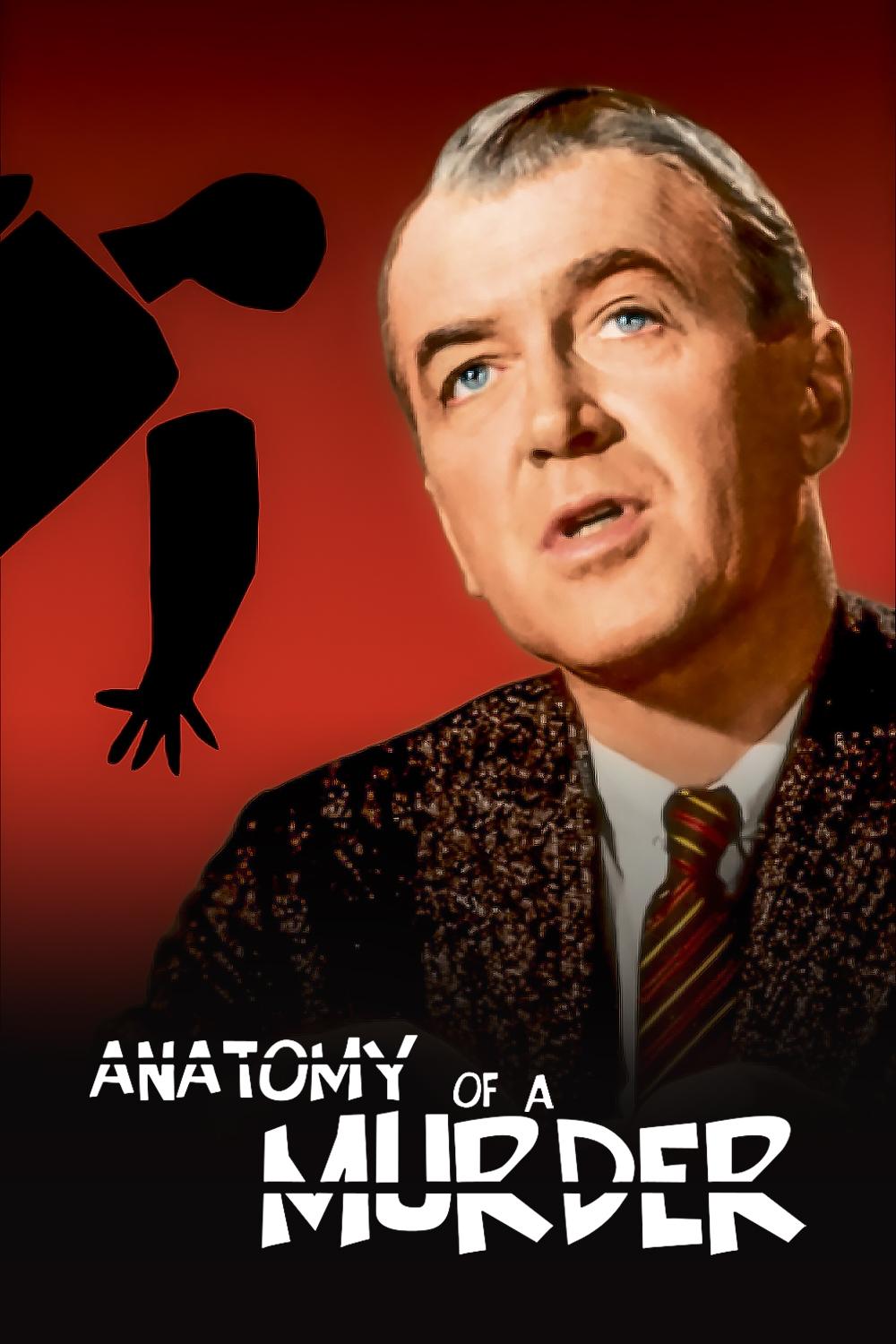
Few films from the late 1950s manage to blend suspense, intellect, and authentic human drama quite like Otto Preminger’s Anatomy of a Murder. As a director with a fearless approach to taboo subjects, Preminger crafts a film that is as much a psychological thriller as it is a revealing courtroom drama. Categorized as a legal drama, this picture unfolds with subtle tension, exploring the complexities of the American legal system while offering an uncommonly modern and nuanced take on its characters. Immersive, meticulously paced, and ultimately provocative, Anatomy of a Murder remains a touchstone in both the courtroom genre and American cinema at large.
Plot Summary
Set in the quiet reaches of Michigan’s Upper Peninsula, Anatomy of a Murder introduces us to Paul Biegler, a clever but somewhat down-on-his-luck attorney portrayed with understated charisma by James Stewart. Recently voted out of office as district attorney, Biegler seems more content to angle for the next fishing trip or jam along on his piano than win high-profile court cases. His idle days are interrupted when Laura Manion, a distressed woman, convinces him to defend her husband, Frederick “Manny” Manion, who has been accused of murdering a local innkeeper.
The story swiftly takes us into the tangled world of legal strategy and personal ambiguity. Manny Manion, played by Ben Gazzara, insists he shot the man in a fit of rage over his wife’s alleged assault—a claim that isn’t as straightforward as it appears. As Biegler investigates, he finds himself navigating not just the facts of the case, but also the far more unchartable terrain of personal morality, community prejudice, and the unpredictable psychology of everyone involved.
Rounding out the ensemble is Lee Remick as the striking and enigmatic Laura, delivering a performance that invites suspicion and sympathy in equal measure. The prosecution, led by the steely Claude Dancer, poses a significant challenge to Biegler. What ensues is an extended courtroom battle where testimony and cross-examination merge with deeper questions about law, truth, and justice.
Without venturing into major spoilers, the film’s resolution is as thorny and thoughtful as its setup—leaving the audience to reflect not just on the verdict, but on the very nature of guilt, innocence, and reasonable doubt.
Key Themes & Analysis
At its core, Anatomy of a Murder examines the elusive boundaries between justice and manipulation. The movie navigates themes of moral ambiguity, sexual politics, and the gray zones within the legal process. Far from offering a black-and-white depiction of right and wrong, Preminger’s approach is to constantly push the audience into a territory of unease, complicating our allegiances with every twist in the trial.
The screenplay, adapted from Robert Traver’s best-selling novel, stands out for its keen attention to human psychology. Witnesses are not simply plot devices—they are rendered with depth, uncertainty, and palpable tension. Dialogue drives the narrative, with extended trial scenes that never reduce the law to mere theatrics but instead reflect the fundamental messiness of truth-seeking in court.
Cinematographer Sam Leavitt’s work deserves special mention: the stark black-and-white visuals add both grit and elegance, suggesting the moral gradients at play and anchoring the film in a realistic atmosphere. Courtroom scenes are staged with minimal artifice, letting the actors’ performances and the gravity of their words fill the space. The Michigan locale, with its unglamorous backwoods and small-town bars, imbues the film with an unvarnished sense of place.
Preminger’s direction is as bold as it is subtle. He was among the first in Hollywood to address topics such as sexual assault with an unusual frankness for the era, using both implicit suggestion and direct language. The pacing is deliberate, allowing time for audience reflection on difficult questions—indeed, the patient unfolding of cross-examinations and legal maneuvers is part of what makes the film so absorbing.
On the acting front, James Stewart delivers one of his most layered performances, blending warmth, wit, and a canny instinct for the underdog. His Paul Biegler is both crafty and compassionate, often leaning into casual banter as a way to reveal deeper truths. Lee Remick brings an electric vulnerability and ambiguity to Laura, dodging easy categorization as either a victim or a manipulator. Ben Gazzara’s portrayal of Manny simmers with barely controlled violence and suppressed trauma. Each supporting player, from Joseph Welch’s avuncular Judge Weaver to George C. Scott’s precise and icy prosecutor, brings individuality and intensity to their roles.
The innovative jazz score by Duke Ellington—rare for this genre at the time—sets a moody, sophisticated backdrop, underscoring the film’s refusal to settle into a moral binary. The music pulses beneath the surface, making the world of the film feel alive, unpredictable, and always just a little bit off-balance.
Why You Should Watch It
- Engaging Courtroom Drama: The film offers extended, suspenseful trial sequences that capture the intricacies of legal argument and psychological drama at their best.
- Unconventional Approach to Morality: Rather than handing down easy answers, the movie invites viewers into a thoughtful exploration of justice, intention, and ethical ambiguity.
- Exceptional Performances and Direction: James Stewart, Lee Remick, and George C. Scott lead a powerhouse cast, all guided by Otto Preminger’s daring and nuanced direction, with visual and musical elements that heighten the experience.
Review Conclusion
Anatomy of a Murder stands out as a daring and sophisticated entry in the courtroom drama genre. It pushes boundaries not just in what it shows and says, but in how it engages the audience on complex cultural and ethical issues without offering tidy resolutions. Otto Preminger’s direction, coupled with powerful performances, evocative cinematography, and an unforgettable jazz score, creates a richly layered and thought-provoking film that remains relevant decades after its release. For viewers seeking a compelling story that challenges perceptions and rewards close attention, this classic is essential viewing. With its sharp dialogue, memorable characters, and willingness to confront uncomfortable truths, Anatomy of a Murder earns a robust 4.5 out of 5 stars.
🎬 Check out today's best-selling movies on Amazon!
View Deals on Amazon