
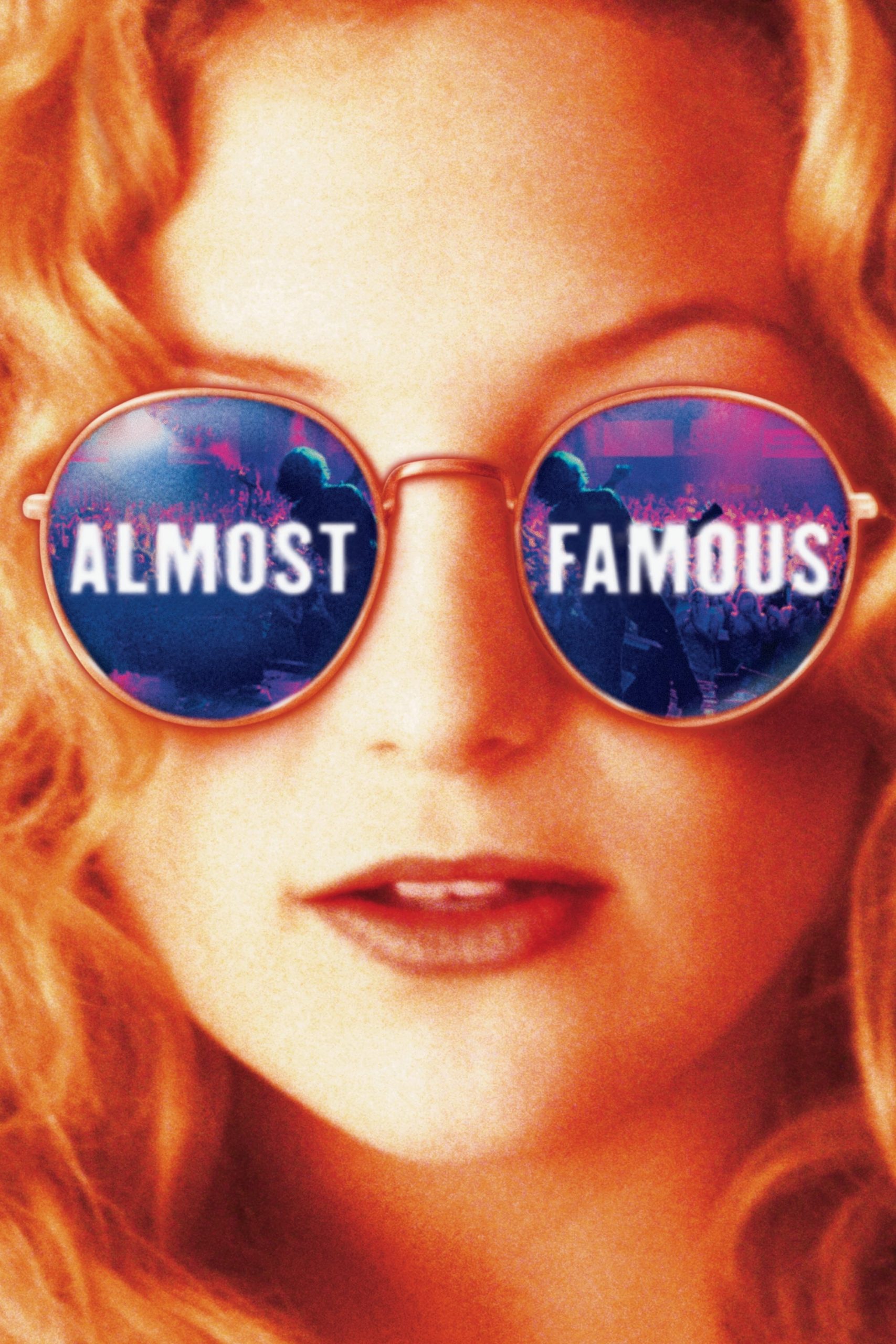
There are few films that manage to capture the exhilaration and vulnerability of self-discovery quite like Cameron Crowe’s coming-of-age masterpiece. “Almost Famous,” released in 2000, is a warm, evocative journey into the heart of 1970s rock-and-roll culture. Blending drama and comedy with musical nostalgia, Crowe delivers a personal yet universally resonant story set against the backdrop of a legendary era. For viewers seeking an authentic exploration of youth, music, and ambition, this film is an unforgettable experience that balances humor with heartfelt emotion.
Plot Summary
“Almost Famous” follows the adventures of William Miller, a bright and inquisitive 15-year-old with an insatiable passion for rock music and journalism. Living under the watchful eye of his fiercely protective mother, Elaine, William’s adolescence is colored by his sister Anita’s rebellious influence, which sows the seeds for a lifelong love of rock. William’s talent and drive catch the attention of Rolling Stone magazine, and what begins as a small writing assignment spirals into an exhilarating road trip with the rising rock band Stillwater.
As William travels with the unpredictable band and their captivating groupies—led by the enigmatic Penny Lane—he gains access to the backstage chaos, euphoria, and heartbreak of life on tour. His initially innocent perspective is rapidly challenged by the realities of fame, ego, and the personal cost of truth-telling journalism. Along the way, he navigates the blurred lines between journalist and fan, and faces ethical dilemmas as he forges connections with charismatic guitarist Russell Hammond and the entire Stillwater crew.
Note: The following contains light spoilers connected to character arcs and story conclusions. William’s coming-of-age story culminates in personal revelations, heartbreak, and professional breakthroughs. The relationships he forms—especially with Penny Lane—force him to confront his own values, while at the same time delivering his most ambitious article yet. “Almost Famous” is as much about his internal journey as it is about the colorful spectacle that surrounds him.
Key Themes & Analysis
At its core, “Almost Famous” is a poignant examination of identity, authenticity, and the transformative power of music. The film deftly explores the tension between art and commerce by depicting the intricacies of band dynamics, the seduction of the spotlight, and the ever-present lure of selling out. Cameron Crowe, drawing from his own life as a young journalist, infuses the script with honesty and warmth, inviting the audience to recall their own moments of adolescent awe and uncertainty.
One of the film’s most resonant themes is the search for meaning and belonging. William, a perpetual outsider due to his age and upbringing, is both observer and participant in the lives of rock’s elite. His struggle to maintain journalistic integrity while forging friendships with the band highlights the complexity of professional ambition versus personal loyalty.
Penny Lane, portrayed with depth and vulnerability by Kate Hudson, embodies the bittersweet allure of the rock muse—a figure both empowered and exploited. Her interplay with Russell Hammond (Billy Crudup) signifies the ache of unrequited love and the challenge of self-worth amid chaos. Hudson’s performance earned critical acclaim, transforming Penny Lane into a cultural archetype of the wise-yet-wounded dreamer.
Crowe’s direction is meticulous yet immersive, capturing both the exuberant highs of concerts and the intimate lows of after-hours soul-searching. The cinematography by John Toll bathes the film in golden, nostalgic light, mirroring the era’s idealism while hinting at its underlying melancholy. The use of music—carefully curated with tracks from Led Zeppelin, Elton John, and Simon & Garfunkel—not only sets the tone but accentuates the emotional landscape, highlighting how music can define moments in our lives.
The cast is a true ensemble, with Patrick Fugit anchoring the film as William. Fugit’s portrayal is genuine—he balances wide-eyed wonder with an evolving maturity that makes the character’s journey utterly believable. Frances McDormand delivers a memorable turn as Elaine, grounding the story with humor and heart. Supporting roles from Jason Lee, Philip Seymour Hoffman (as legendary rock critic Lester Bangs), and Zooey Deschanel round out a film rich with talent and personality.
The film’s structure, pacing, and dialogue capture the improvisational spirit of the rock era. Crowe has an ear for authenticity—conversations flow naturally yet sparkle with wit. Many lines, such as Lester Bangs’s warnings about fame and friendship, have become iconic within film and music communities.
Why You Should Watch It
- Immersive Nostalgia: The film perfectly recreates the look, feel, and sound of the 1970s music scene, appealing to both those who lived through it and younger audiences fascinated by its legacy.
- Standout Performances: Kate Hudson’s turn as Penny Lane is unforgettable, while Billy Crudup, Frances McDormand, and Patrick Fugit ensure every key character leaves a lasting impression.
- Human Stories Amid Rock Legend: More than just a music movie, it’s a deeply personal coming-of-age story about finding one’s voice, making mistakes, and chasing dreams, resonating universally regardless of your passion.
Review Conclusion
“Almost Famous” stands tall as one of the finest films to chronicle not just the era of classic rock, but also the universal awkwardness and ecstasy of growing up. Cameron Crowe’s direction, paired with stellar acting, envelops audiences in both spectacle and intimacy. Every frame crackles with authenticity, and the soundtrack amplifies every moment of triumph and disappointment. Whether you’re a music aficionado, a fan of character-driven stories, or simply searching for a film that captures the joy and confusion of youth, this movie delivers on every level. With its nuanced portrayal of life on tour and its affectionate, honest heart, “Almost Famous” earns a well-deserved 4.5/5 stars.
🎬 Check out today's best-selling movies on Amazon!
View Deals on Amazon