
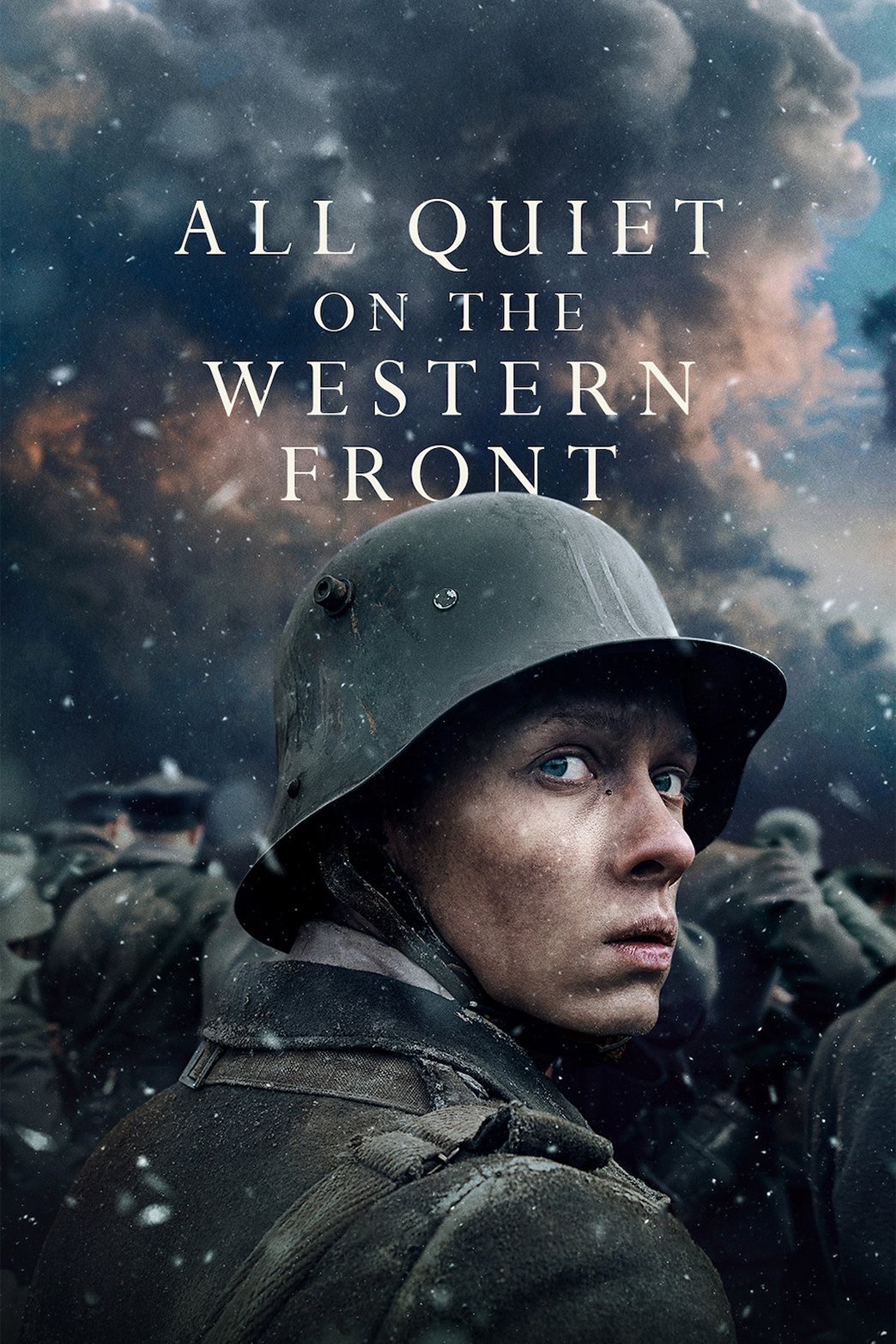
Plot Summary
Set against the tumultuous backdrop of the First World War, “All Quiet on the Western Front” (1979) presents a gripping and immersive account of the brutal realities faced by young German soldiers. Directed by Delbert Mann, this war drama powerfully chronicles the transformation of idealistic youths into battle-hardened survivors. The film centers on Paul Bäumer, a passionate student who, along with his classmates, is swept up in a wave of patriotic fervor that compels them to enlist in the German army.
As the narrative unfolds, the audience follows Paul’s journey from initial enthusiasm during training to the grim realities encountered on the front lines. The soldiers, initially buoyed by national pride and the rhetoric of their teachers and elders, swiftly confront the stark contrast between the glorified image of war and its actual horrors. The young men endure harrowing experiences: relentless artillery fire, poisonous gas attacks, and the constant threat of death or injury shape their days and nights. The camaraderie among Paul and his friends becomes a crucial lifeline in the unforgiving trenches.
The film offers poignant glimpses into their attempts to seek solace during temporary respites from battle. These moments of humanity and vulnerability stand in sharp relief to the chaos of the battlefield. Through Paul’s eyes, viewers witness the psychological scars etched by war and the profound loss of innocence suffered by all who endure its consequences.
Warning: The following section contains mild spoilers about character development and story resolution.
As losses mount and hope fades, Paul’s worldview shifts drastically. His relationships with mentors, comrades, and the civilian population back home reflect the deepening divide between those who experience war firsthand and those who remain untouched by its devastation. The ending is both emotionally stirring and thematically resonant, highlighting the futility of conflict and the enduring costs it exacts on the human spirit.
Key Themes & Analysis
“All Quiet on the Western Front” deftly explores the profound disillusionment brought on by war. Adapted from the classic novel by Erich Maria Remarque, the film places a spotlight on the lost generation swept up by nationalist propaganda, only to become disenchanted as their expectations give way to the grim actuality of trench warfare.
One of the most striking themes is the loss of innocence. The transformation of Paul and his friends, from naive scholars to haunted veterans, underscores the devastating psychological impact of armed conflict. The film uses subtle storytelling, favoring close-ups and lingering shots to capture the anguish etched into each character’s face. These visual choices invite viewers to reflect on the way war strips individuality and hope from those who survive it.
Director Delbert Mann employs stark, naturalistic cinematography to emphasize the relentless bleakness of the front. Henri Decaë’s camera work—often favoring muted palettes and long takes—reinforces the pervasive sense of despair and chaos. The battle sequences are unflinching in their depiction of violence, yet never gratuitous. Instead, they serve to immerse the audience in the confusion and terror faced by those trapped in the trenches.
The acting, led by Richard Thomas as Paul Bäumer, is deeply moving. Thomas brings a nuanced vulnerability to the role, authentically capturing the inner turmoil of a young man grappling with unimaginable trauma. The supporting cast, including Ernest Borgnine as the seasoned Katczinsky, provides a grounded portrayal of camaraderie and mentorship. Their interactions are rich with empathy and emotional weight, elevating the film beyond a typical war narrative.
Equally noteworthy is the film’s sound design. Composer Allyn Ferguson opts for a restrained musical score, allowing ambient sounds—the distant thunder of artillery, the murmur of despairing voices—to build the oppressive mood. This approach immerses the viewer in the front-line experience, reinforcing feelings of anxiety and uncertainty.
Through its artistry and attention to character, “All Quiet on the Western Front” not only condemns the futility of war but also honors the dignity and resilience of those who endure its traumas. The film’s unvarnished realism leaves a lasting impression, prompting audiences to question narratives that romanticize conflict.
Why You Should Watch It
- Award-Winning Adaptation: As one of the most acclaimed interpretations of Remarque’s novel, this film faithfully translates its anti-war message with sincerity and power, making it a must-watch for fans of literary adaptations and historical cinema.
- Engaging Performances: The cast delivers emotionally resonant performances, offering nuanced portrayals that humanize soldiers on all sides of the conflict. Their stories foster deeper empathy and understanding of an often overlooked perspective.
- Cinematic Realism: The film’s commitment to authenticity—from production design to battle choreography—creates an immersive viewing experience. Audiences seeking a truthful, impactful depiction of World War I will find its realism both compelling and memorable.
Review Conclusion
“All Quiet on the Western Front” (1979) stands as a profoundly affecting exploration of the human cost of war. Delbert Mann’s direction, coupled with standout performances and evocative cinematography, crafts a narrative that is as haunting as it is relevant. The film resists glorifying battle, choosing instead to convey the enduring psychological and emotional scars borne by young soldiers. It succeeds both as an anti-war statement and a gripping human drama.
For viewers interested in meaningful historical narratives, powerful character studies, or films that challenge conventional perspectives on conflict, this adaptation is essential viewing. Whether familiar with the original novel or coming to the story for the first time, audiences will find themselves moved and provoked to reflection.
Star Rating: 4.5/5
🎬 Check out today's best-selling movies on Amazon!
View Deals on Amazon