
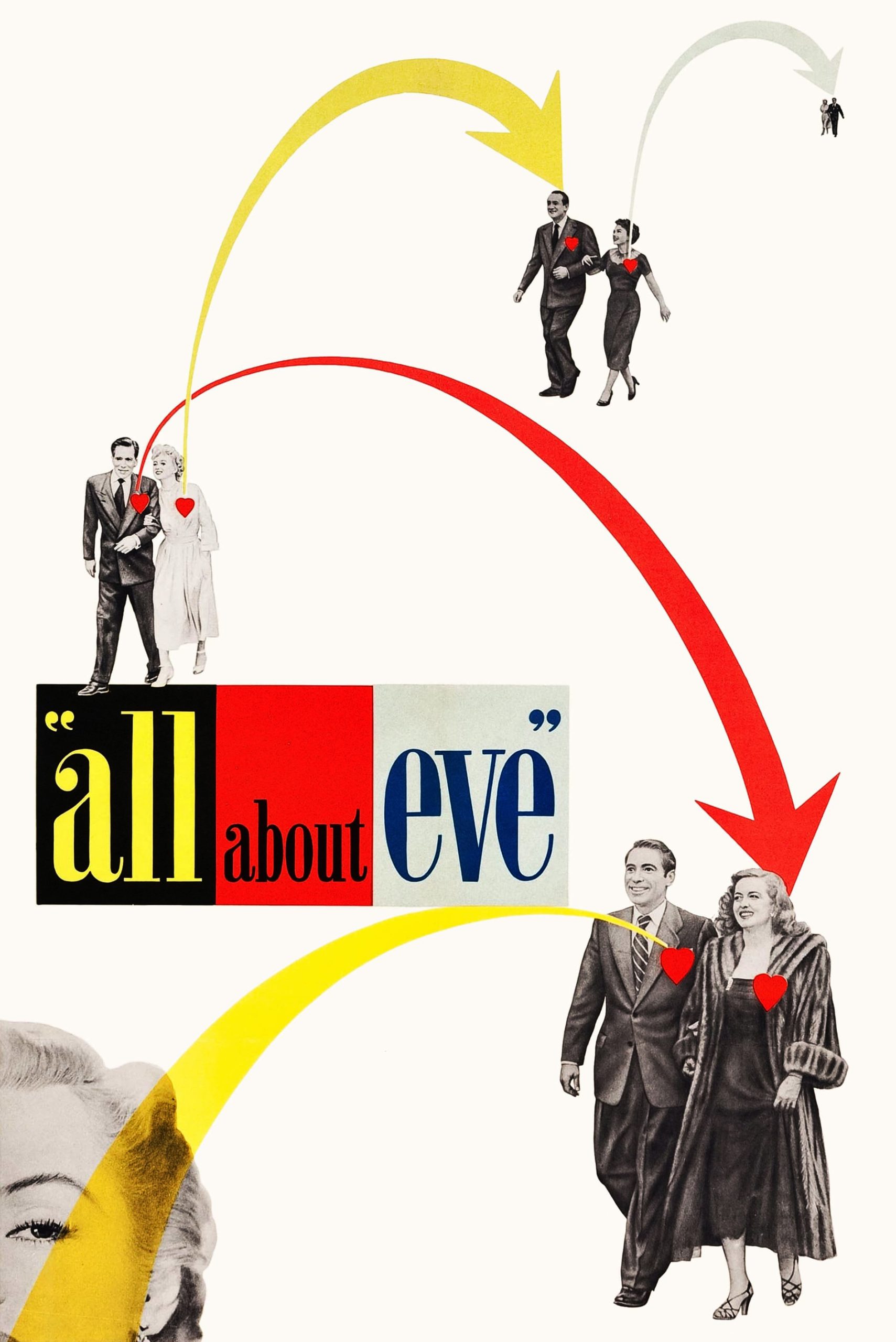
Few films have so skillfully captured the intensity and intricacies of ambition within the performing arts as Joseph L. Mankiewicz’s “All About Eve.” Blending razor-sharp wit, psychological insight, and timeless performances, this 1950 drama stands among Hollywood’s finest achievements. The film expertly navigates the treacherous world behind the theater’s velvet curtains, immersing viewers in a tale where stardom is craved and loyalty is put to the ultimate test. Known for its intelligent script and striking character studies, “All About Eve” continues to enthrall audiences and influence generations of filmmakers within and beyond the drama genre.
Plot Summary
Set in New York’s glittering theater scene, “All About Eve” tells the story of Margo Channing, an acclaimed but aging Broadway star at the height of her career. Loyal friends and colleagues surround Margo, including her director Bill, best friend Karen, and husband-to-be Lloyd Richards, a successful playwright. Enter Eve Harrington, a seemingly demure young woman who idolizes Margo from afar. Eve’s initial story evokes sympathy: an everyday girl with tragic circumstances, thrilled merely to bask in Margo’s presence.
Through a combination of sincerity and adroit cunning, Eve ingratiates herself into Margo’s inner circle. What appears to be humble admiration slowly morphs, revealing Eve’s meticulously calculated ambition. She quietly begins to insert herself into both personal and professional aspects of Margo’s world, all under the guise of servitude.
As Eve’s motives become murkier, figures like the shrewd theater critic Addison DeWitt pay close attention, each with their own agendas. “All About Eve” explores how ambition and vulnerability intertwine, expertly leading audiences through twists and turns behind the footlights without giving away every secret.
Warning: Minor spoilers ahead. The story culminates with Margo forced to confront her own insecurities while Eve’s methods escalate. The film closes with a stunning reversal, reminding viewers that the struggle for relevance and recognition is never singular nor secure in show business. Even in its final moments, “All About Eve” manages to surprise and provoke, cementing its reputation as a touchstone in dramatic storytelling.
Key Themes & Analysis
At its core, “All About Eve” is a layered exploration of ambition, aging, and the cyclical nature of fame. The screenplay deftly exposes the insecurities lurking beneath the glamor of stardom. Margo Channing’s dread of being replaced resonates beyond the theater, serving as a universal commentary on professional and personal confrontation with change.
Joseph L. Mankiewicz’s direction enhances the film’s tension through intelligent pacing and blocking. Each frame is meticulously composed, making intimate scenes feel claustrophobic and group settings bristle with social subtext. Cinematographer Milton R. Krasner’s use of shadows and mirrors illustrates both literal and figurative reflections—characters are forced to examine themselves and the personae they project to the world.
The performances in “All About Eve” are nothing short of iconic. Bette Davis delivers a career-defining turn as Margo Channing, blending ferocious wit with underlying vulnerability. Davis’s line deliveries, especially in moments of self-awareness, are legendary and frequently quoted in film history. Anne Baxter, as Eve Harrington, oscillates between innocence and quiet menace, creating a complex character study of ambition unchecked.
Supporting players further elevate the film. George Sanders as Addison DeWitt delivers one of cinema’s most memorable sharply drawn antagonists, using sophisticate detachment to conceal his own ruthless ambitions. Celeste Holm, Gary Merrill, and Thelma Ritter add sincere warmth and stirring pathos, grounding the story amid the glamour and backstabbing.
Another strength is the film’s witty, literature-tinged dialogue. Mankiewicz’s screenplay—winner of multiple awards—drips with double entendres and clever repartee, providing insight into power dynamics and emotional motivations. Beneath the glitz of the pre-television celebrity culture lies a biting critique of ego, opportunism, and the fragile armor of self-image.
Thematically, “All About Eve” predates and arguably outshines many later stories focused on women’s experiences in competitive fields. The exposition of ageism in show business, the complexities of female mentorship, and the question of authenticity versus performance still resonate today. The film’s meta-commentary on the nature of storytelling itself—how roles are adopted and personas crafted—carries through every interaction and plot development.
Why You Should Watch It
- Witness masterful performances by Bette Davis and Anne Baxter, offering some of Hollywood’s most iconic acting moments and complex character dynamics.
- Gain insight into timeless themes of fame, competition, and identity, explored with sophistication and relevance that still speaks to modern audiences.
- Appreciate Joseph L. Mankiewicz’s brilliant direction, sharp scriptwriting, and visually striking cinematography that influence stage and film storytelling to this day.
Review Conclusion
More than seventy years after its release, “All About Eve” retains a bright, biting relevance. Its dissection of ambition, loyalty, and the psychological costs of celebrity is as poignant now as it was in 1950. The film’s enduring cultural impact is evident—not just in critical circles, but in the fabric of popular storytelling, from theater to television and beyond.
For viewers who value perceptive dialogue, nuanced characterization, and thought-provoking storytelling, “All About Eve” proves essential. It is a rare classic that continues to reward both first-time audiences and seasoned cinephiles, providing new layers of meaning with each viewing. Whether you are a fan of classic Hollywood or exploring foundational works in dramatic cinema, this film stands as a paragon of its genre.
Star Rating: 5/5
🎬 Check out today's best-selling movies on Amazon!
View Deals on Amazon