
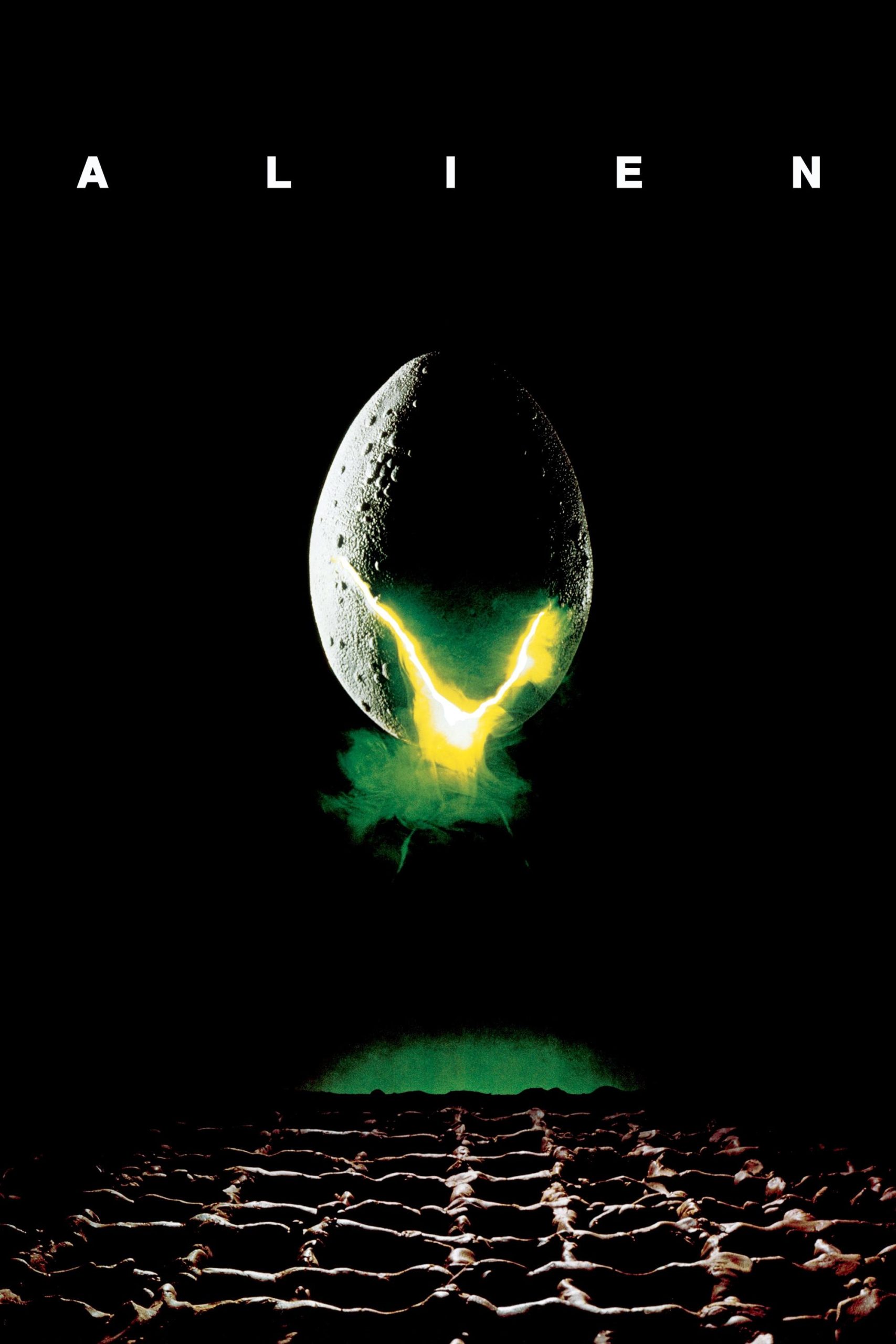
Few films have reshaped the landscape of science fiction and horror quite as powerfully as Ridley Scott’s 1979 masterpiece. Imbued with distinctive visual style and relentless suspense, this genre-defining film invites viewers into a claustrophobic nightmare aboard a deep-space vessel. With a haunting atmosphere steeped in dread, “Alien” stands as a testament to Ridley Scott’s visionary direction and remains a harrowing blend of sci-fi, horror, and survival thriller. Whether you’re a lifelong fan or a first-time viewer, this film’s chilling originality and lasting influence demand exploration.
Plot Summary
The commercial spaceship Nostromo is hauling ore back to Earth with a seven-member crew in stasis. Their journey is interrupted by a mysterious transmission from a nearby moon, prompting the ship’s computer—Mother—to awaken them for a detour. Under contract obligations, the crew has no choice but to investigate the source of the transmission, which seems to be a distress signal.
Upon landing, the Nostromo suffers damage, and a small team descends to the planet’s surface. There, they discover a massive, derelict alien spacecraft. Inside, they find the fossilized remains of an inhuman pilot and a chamber filled with strange egg-like objects. When one of the crew members investigates further, a creature springs forth and attaches itself to him, leading the team to hurriedly return to their ship.
Back on board, tensions rise as quarantine procedures are debated and ultimately broken. The injured crewman, still unconscious with the organism clinging to his face, becomes the focal point of mounting fear. When the creature falls off and dies, the crew believes the crisis is over, but true terror lies ahead. Soon, a deadly extraterrestrial life form emerges, loose among the claustrophobic corridors of the Nostromo. The survivors must face an escalating hunt, rapidly discovering that their own ship has become a trap.
Spoiler Warning: What follows is a shocking and iconic series of confrontations as the alien stalks the crew one by one, bringing out the best— and worst— in their personalities. The mounting sense of dread, coupled with the unpredictable behavior of both the crew and the creature, propels the narrative to its unforgettable conclusion. The film’s structure relies on meticulous pacing, sharp character conflict, and a masterful escalation of suspense, ensuring that each scene builds inexorably toward its climax.
Key Themes & Analysis
“Alien” is much more than a monster movie set in space. The film interrogates foundational fears, explores isolation, and transforms the familiar into the terrifyingly unknown.
1. Existential Dread and Isolation: At its core, the film taps into the potent anxiety of being stranded in an indifferent and perilous universe. The Nostromo’s crew is far from help, encased in metal, ensnared by corporate directives, and ultimately isolated from the world they know. The planet’s harsh terrain, the labyrinthine ship corridors, and the endless vacuum outside all emphasize humanity’s vulnerability.
2. Humanity vs. Corporate Disposability: The crew is not only battling an unfeeling predator but also the callousness of their employer. The narrative repeatedly highlights how individuals are subjugated by profit-driven motives, adding emotional resonance and timely commentary about expendability and authority.
3. Gender, Identity, and Survival: The film subverts and reinvents genre conventions by placing a woman, played by Sigourney Weaver, at the story’s forefront. Ripley’s transformation from a by-the-books officer to a resourceful survivor broke cinematic ground, offering a new paradigm for heroism and strength.
Cinematography and Visual Design: Ridley Scott’s methodical pacing echoes the inexorability of fate, while director of photography Derek Vanlint’s shadow-soaked frames foster a sense of perpetual menace. The Nostromo, grimy and industrial, becomes a character in its own right. Artist H.R. Giger’s now-legendary creature design infuses the alien with an erotic, biomechanical horror that is instantly iconic.
Sound and Editing: Jerry Goldsmith’s minimalist, haunting score accentuates the loneliness and peril, while sound design immerses viewers in the dread-filled silence of space, punctuated only by the alien’s predatory sounds and the ship’s low hum. The editing carefully balances tense build-up with explosive payoff, keeping viewers uncertain where danger lies.
Acting: The ensemble cast brings to life a believable cross-section of working-class spacefarers, each with distinct personalities and motives. Sigourney Weaver’s Ripley is especially captivating; her strength and pragmatism are as compelling as her underlying vulnerability. Ian Holm lends a chilling subtlety to his performance as science officer Ash, while supporting actors like Tom Skerritt, Veronica Cartwright, and Yaphet Kotto anchor the film in realism, making their terror all the more palpable.
Ultimately, “Alien” transcends the boundaries of its genres by combining precise craft with philosophical undertones, making it as intellectually stimulating as it is viscerally frightening.
Why You Should Watch It
- Genre-Defining Suspense: The film redefined both science fiction and horror, elevating simple terror into a sustained, artfully crafted atmosphere of fear and tension that has rarely been matched.
- Unforgettable Visuals: From its oppressive set designs to the still-shocking appearance of the Xenomorph, “Alien” delivers some of cinema’s most iconic imagery, blending artistry with innovation in creature and production design.
- Compelling Characters and Performances: With Sigourney Weaver’s pioneering role as Ripley and a cast who embody authentic, working-class individuals, the emotional stakes are intensely human and relatable, transcending the confines of standard genre fare.
Review Conclusion
Ridley Scott’s 1979 film remains a benchmark in both sci-fi and horror cinema. It’s a movie that doesn’t simply rely on jump scares or shock value, but instead builds its terror through atmosphere, character, and impeccable craftsmanship. The themes raised—corporate malfeasance, isolation, and the tenacity to survive—are as relevant today as they were over four decades ago. Drawing together groundbreaking visuals, a haunting score, and committed performances led by Sigourney Weaver, “Alien” is a genuinely unforgettable moviegoing experience, deserving of its enduring legacy and both critical and popular adulation. For fans of suspense, deep space drama, or inventive cinematic design, this is required viewing, both as a historical turning point and an ever-potent work of art. Star Rating: 5/5
🎬 Check out today's best-selling movies on Amazon!
View Deals on Amazon