
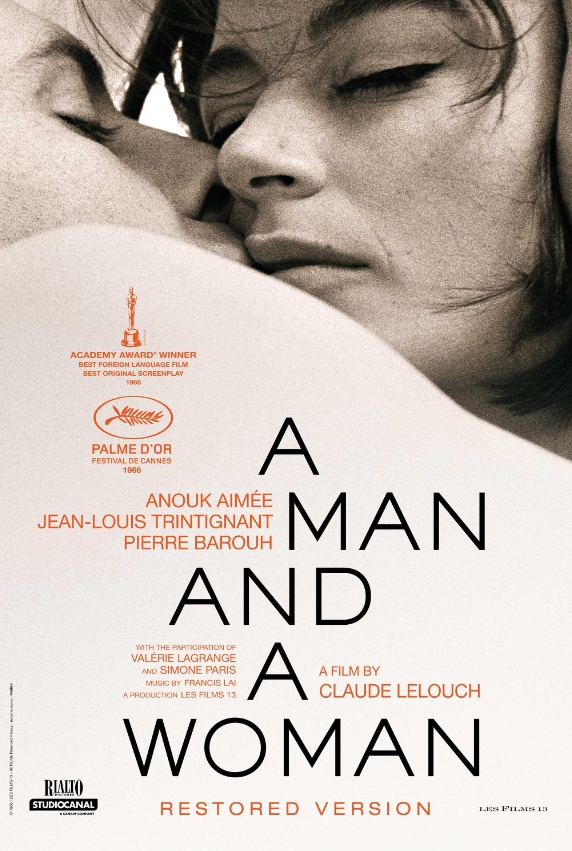
French cinema in the 1960s was defined by innovation, emotional subtlety, and a willingness to embrace the complexities of romance and heartbreak. Into this rich cinematic landscape stepped director Claude Lelouch, who helmed a tender, evocative drama that would not only win global acclaim but also define a new standard for romantic storytelling. As a romantic drama, the film is celebrated for its visual lyricism, nuanced performances, and unforgettable score, making it a touchstone for anyone interested in cinema’s portrayal of love and loss.
Plot Summary
Set against the gray skies and picturesque backdrops of Normandy and Paris, the film introduces two central characters whose paths first cross at a boarding school as they both retrieve their young children after a weekend. Anne Gauthier is a script supervisor haunted by a tragic past, her gentleness and reserve obscuring quiet depths of pain. Jean-Louis Duroc is a professional race car driver, equally scarred by loss, struggling to balance the demands of his high-speed career with his obligations as a single father.
Without giving away crucial twists, the narrative develops as Anne and Jean-Louis navigate their newfound friendship, drawn together by mutual empathy and shared burdens. Their rapport is marked by understated gestures, long silences, and an unspoken understanding that transcends words. The film delicately explores how their relationship evolves from cautious camaraderie into something deeper, all while the memories of their former spouses linger like ghosts. The story slows down in key moments, allowing viewers to observe the details: a glance, a whispered confession, a drive along the windswept coast.
Spoiler Warning: While much of the magic lies in the journey rather than the destination, significant plot revelations occur in the latter half, as unresolved feelings and trauma threaten to derail their burgeoning happiness. Choices are made, distances are tested, and the film builds to a poignant, hopeful conclusion that has become one of the most discussed in romantic cinema. The ultimate resolution is as ambiguous as it is moving, leaving viewers with a lingering sense of possibility.
Key Themes & Analysis
This film is far more than a straightforward romance. Through Lelouch’s lens, it becomes a meditation on grief, healing, and the cautious optimism of second chances. One of the film’s central themes is that love after loss is possible but complex, weighed down by memories and the fear of vulnerability. Both Anne and Jean-Louis are portrayed with deep compassion, their struggles to move forward rendered with sensitivity rather than sentimentality.
The cinematography, led by Lelouch and Claude Lelouch himself as director of photography, is justly praised for its innovative techniques and dreamlike quality. Lelouch alternates between color and black-and-white film stock, a stylistic choice that underscores the characters’ emotional states and the fluctuating tone of their relationship. Scenes of bright color highlight moments of connection or hope, while monochrome sequences evoke introspection or sorrow. This interplay creates a visual rhythm that resonates long after the film ends.
Directorially, Lelouch is a master of restraint. He relies heavily on suggestion—framing his actors in close-up, allowing silence to stretch, and using the camera to capture fleeting expressions rather than grand declarations. This results in a pervasive intimacy, pulling the audience into the interior lives of the protagonists. The use of sound is equally deliberate: Francis Lai’s now-iconic score forms an emotional undercurrent, with recurring motifs that mirror the ebbs and flows of affection.
Performances in the film are remarkable for their authenticity. Anouk Aimée, as Anne, delivers a performance that is both luminous and achingly real. She navigates the emotional terrain between melancholy and hope with subtle shifts in expression and body language. Jean-Louis Trintignant, as Jean-Louis, is equally compelling; his controlled exterior belies deep layers of longing and regret. The chemistry between the leads is palpable, relying not on melodrama but on understated connection. The supporting cast—including the child actors—lend further credibility and warmth to the narrative.
Structurally, the film experiments with time, memory, and perspective. Flashbacks interwoven with present-day scenes create a mosaic of feeling and remembrance, mirroring how both characters replay and reinterpret their pasts. Dialogue is sparse but meaningful, with each conversation meticulously crafted to deepen character rather than advance the plot artificially. Lelouch’s script avoids clichés, instead prioritizing authentic emotional beats.
The film also engages with the tension between individual desire and parental responsibility. Both Anne and Jean-Louis are defined not just by their romantic yearnings but by their identities as parents, tethered to practical concerns and the imperative to protect their children from further pain. This layered complexity elevates the film above many of its contemporaries, offering a mature and reflective take on love’s enduring power.
Why You Should Watch It
- Innovative Visual Storytelling: The film’s blending of color and black-and-white, coupled with Lelouch’s poetic camerawork, creates a distinctive visual experience that remains striking decades after its release.
- Deeply Human Performances: Anouk Aimée and Jean-Louis Trintignant bring Anne and Jean-Louis to life with subtlety and emotional resonance, making their characters feel authentic and deeply relatable.
- Timeless Exploration of Love and Grief: Rather than resorting to easy answers or melodrama, the film presents a thoughtful, nuanced meditation on how two wounded souls can find solace in each other—without ever ignoring the complexities of their pasts.
Review Conclusion
This classic from Claude Lelouch stands as a milestone in romantic cinema, effortlessly blending style and substance. With its innovative cinematography, evocative score, and deeply affecting performances, the movie pushes the boundaries of what a love story can achieve. It lingers in the memory, not just for its artistry but for its heartfelt portrayal of real, imperfect people seeking connection in a complicated world. Even for those usually hesitant about romance films, this is a work that transcends genre, offering emotional insight and visual poetry in equal measure.
Rating: 4.5/5 stars.
🎬 Check out today's best-selling movies on Amazon!
View Deals on Amazon