
Plot Summary
Whenever I revisit a film like Manhattan, directed by Woody Allen, I find myself swept into an era and a mood that few romantic dramedies dare to attempt—let alone sustain for almost two hours. From the opening frames, awash in lush black-and-white cinematography and buoyed by Gershwin’s “Rhapsody in Blue,” I immediately sense the film’s yearning to become both a mirror and a love letter to New York City. I become invested not only in the story itself but in the atmosphere it invokes: the contradictions of urbane sophistication and raw vulnerability.
The story circles around Isaac Davis (played by Allen himself), a television writer wrestling with a tempest of emotions and indecision. His life feels as tangled as the city’s intertwining boroughs. Isaac navigates relationships with his teenage lover Tracy, his ex-wife Jill, and his best friend’s mistress Mary. Every scene pulses with tension between longing and resignation. The web of relationships risks overwhelming any viewer unfamiliar with Allen’s flavor of neurotic humor, but for me, the messiness feels authentic—enthralling, even. Jokes are both shield and salve, baring wounds while mocking their own severity.
I’m careful not to give away any pivotal turns—these romances matter as much in their drift as in their destination. What I will share is how every conversation in Manhattan is steeped in self-analysis and philosophical debate, a trademark of Allen’s writing style that transforms everyday encounters into miniature existential dramas. The plot moves less like a straight line and more like the looping, backtracking journeys I so often take while reflecting on my own life’s choices. Relationships in Manhattan seem made to collapse and reshape, never settling quietly but instead echoing the city’s cacophonous changes.
Key Themes & Analysis
What struck me most is the film’s deep meditation on yearning—not just for love or connection, but for meaning and fulfillment in the chaos of urban living. I find profound resonance in how Allen explores emotional restlessness, especially the ways we sabotage our own happiness. Isaac’s rambling inner monologues and impulsive confessions become a kind of chorus for the audience’s own anxieties and eternal quests.
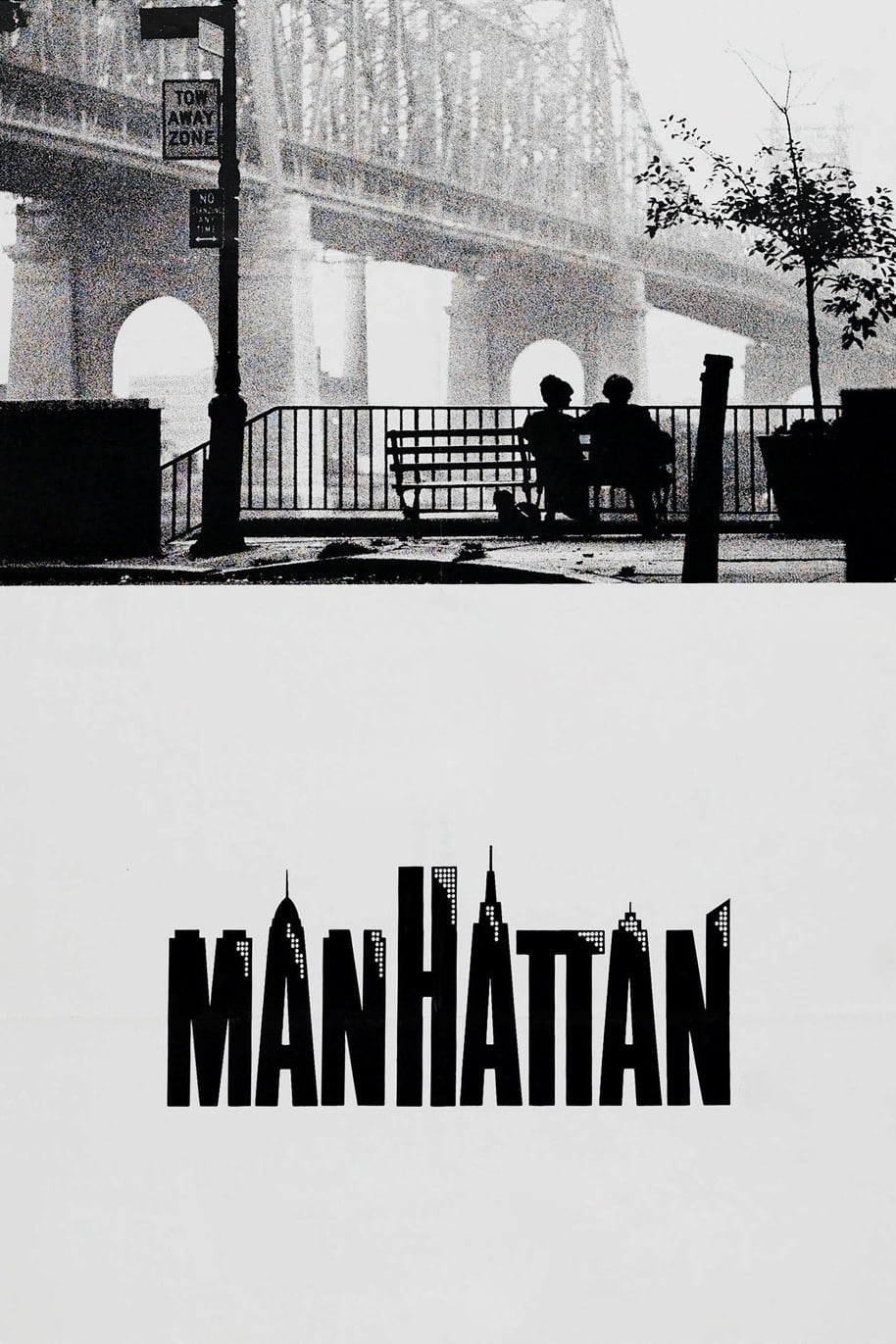
I’m repeatedly dazzled by Gordon Willis’s cinematography. Every time I watch Manhattan, I notice how the black-and-white palette makes the cityscape simultaneously mythic and intimate. The interplay of light and shadow renders even mundane settings—diners, park benches, apartments—poetic, underscoring the film’s belief that life’s most staggering beauty is often found in small, transitory moments. The iconic bridge scene, silhouetted against pre-dawn New York, always takes my breath away. I feel the power of that image long after the credits roll, as if the city itself is a character with its own emotional map.
As for the performances, Diane Keaton’s portrayal of Mary Wilke is nothing short of revelatory. I’m captivated by her blend of intellectual sharpness and emotional uncertainty. Allen delivers Isaac’s neurotic vulnerability with a self-awareness that borders on self-satire; I find that courageously honest, if occasionally uncomfortably self-indulgent. Mariel Hemingway as Tracy surprises me every time with her quiet strength and maturity, challenging Allen’s themes of age, wisdom, and naiveté through sheer subtlety.
Beyond character studies, what keeps me returning to this film is Allen’s deftness with dialogue—each conversation dances between wit and melancholy, exposing the inner lives of characters in ways that feel both unscripted and deeply literary. The humor isn’t merely comic relief; rather, it’s the mechanism through which the film exposes insecurities and yearnings that dare not speak plainly. In my view, Manhattan doesn’t offer answers so much as it uncovers the beauty and mess of searching.
My Thoughts on the Cultural Impact & Legacy
When I think about why Manhattan persists in the canon of American cinema, I always come back to the ways it revolutionized what a romantic comedy—or drama—could be. For me, this film isn’t content to chase happy endings or easy moral resolutions. It demands that its audience wrestle with ambiguity, embracing the uncertainty that defines both love and life in a sprawling metropolis.
On a personal level, I’ve seen elements of Manhattan’s DNA woven into countless subsequent works—from television’s anxious urbanites to indie dramas set against city backdrops. The film has become a touchstone for how to capture the pulse of a city alongside the tumult of the human heart. Every time I encounter a movie that luxuriates in complex, talky relationships or that transforms city space into a living emotional landscape, I sense the shadow of Allen’s New York.
Yet, as a curator and a critic, what really makes Manhattan matter to me is its fearless confrontation with imperfection. Few films of its era dared to depict romantic and personal failure as poetically. The characters’ emotional messes are not cleaned up for easy consumption; instead, they’re laid bare with tenderness and irony. I find that spirit infectious—it emboldens modern filmmakers to dig into the ambiguity of relationships and the illusions of self-knowledge.
The conversations this film started about gender, power, and morality continue to resonate—sometimes more problematically as time passes, but always with a rawness that keeps the film urgent. For me, Manhattan is as much a work of cinematic time travel as it is a mirror for messy, modern existence. It shaped my appreciation for films that refuse neat categorization, and I suspect—given its enduring influence—it continues to provoke thought and debate for new generations of viewers and critics alike.
Fascinating Behind-the-Scenes Facts
One production story that always fascinates me is the film’s technical ambition. Gordon Willis, affectionately called “The Prince of Darkness,” used reflective lighting techniques to evoke the city’s midnight glow. I read interviews where Willis described how tricky it was to balance realism with romanticism—something I now look for in every beautifully lit city scene in cinema. He and Allen pushed for complete authenticity, shooting extensively on location across Manhattan, which, in the late 1970s, posed huge logistical challenges given the city’s unpredictable energy and crowds.
Another tidbit that intrigues me is that Woody Allen was so dissatisfied with the initial cut of the film that he begged United Artists executives not to release it. He even offered to make another film for free if they would shelve this one! Reflecting on that makes me appreciate the fragility of cinematic masterpieces—how close we were to losing this film to Allen’s perfectionism, and how serendipity sometimes determines what we see on screen.
A third piece of trivia that always sticks with me is the casting of Mariel Hemingway, who was not only a virtual newcomer but also many years younger than her co-stars. Hemingway’s innocence and gravity—so essential to Tracy’s role—were gambles that paid off in quiet, powerful ways. My knowledge of Hemingway’s own reflections on working with Allen, especially at that age, adds another layer of complexity and meaning every time I revisit her scenes.
Why You Should Watch It
- It offers a visually stunning, evocative portrait of New York City—a vision that’s both timeless and emotionally charged.
- The characters’ flaws and uncertainties feel authentic and relatable, breaking away from the conventions of traditional romance films.
- Its blend of poignant comedy, raw honesty, and visual storytelling continues to inspire filmmakers and audiences who seek more than just surface-level drama.
Review Conclusion
Looking back over my many years of engaging with cinema, Manhattan remains one of those rare films that grows with me every time I return to it. Its willingness to sit in discomfort, its ache for connection, and its visual and musical bravura never fail to move me. I see it not only as a celebration of lost and found loves but as a meditation on the hunger for meaning in fragmented lives. For sheer ambition—artistic, emotional, and technical—I have to give Manhattan an enthusiastic 4.5 out of 5 stars.
Related Reviews
- Annie Hall (1977) – I recommend this film because it shares not only Allen’s directorial wit but also his fearless, almost diary-like confrontation with romance, memory, and failure, making it a complementary companion piece in tone and subject matter.
- Before Sunrise (1995) – I’m repeatedly reminded of Manhattan’s meandering, conversational style in the intimate, day-long journey of Linklater’s characters. Both films create romance through dialogue and the immersive backdrop of a beloved city.
- Lost in Translation (2003) – Watching Coppola’s exploration of alienation and unlikely connection, I recognized Manhattan’s spiritual fingerprint in its moody cityscapes, bittersweet humor, and the courage to leave questions unresolved.
- Frances Ha (2012) – Gerwig’s black-and-white portrait of youthful restlessness in New York echoes Manhattan’s visual style and emotional vulnerability, offering a modern, female-driven perspective on navigating love and purpose in the city.
For readers looking to go deeper, these perspectives may help place the film in a broader context.
🎬 Check out today's best-selling movies on Amazon!
View Deals on Amazon