
Plot Summary
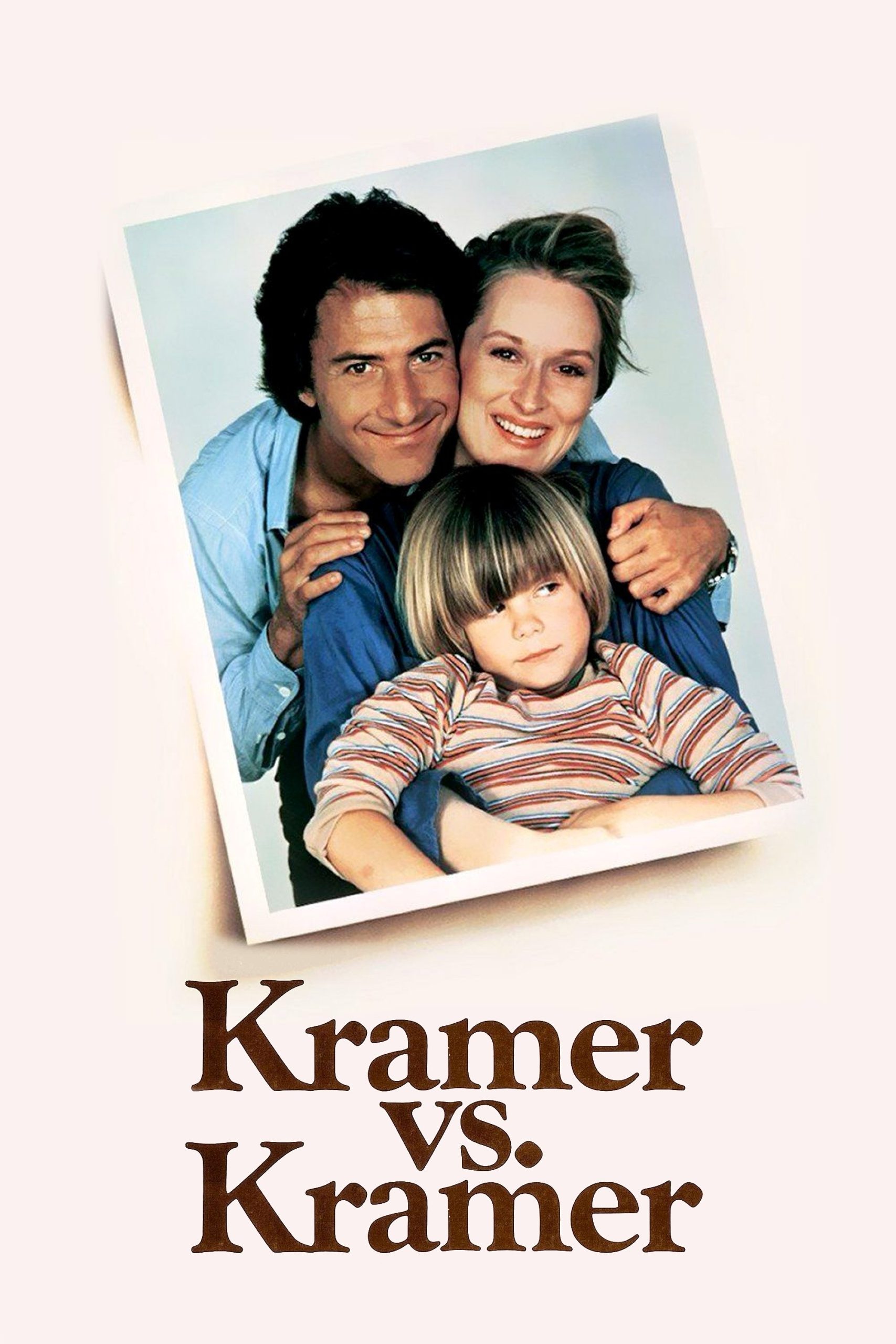
From the very first frame, I was drawn into the emotional pulse of “Kramer vs. Kramer”, which unfolds with a quiet urgency that left me both unsettled and compelled. The film begins in 1970s New York City—a setting that vibrates with artistic ambition and urban anxiety—where I watched the seemingly stable world of Ted Kramer (Dustin Hoffman) shatter in a single confession from his wife, Joanna (Meryl Streep). She calmly announces she’s leaving him and their son, Billy. What follows is not a tale of melodramatic villainy, but a rigorous, intimate journey into the tangled lives of three people forced to rebuild themselves in the aftermath of loss.
I found the first act especially poignant as Ted, so accustomed to defining himself through the grind of his advertising job, is suddenly thrust into the unfamiliar, chaotic demands of solo fatherhood. The film stretches beyond a mere custody battle; instead, it turns its gaze on Ted’s fragile journey from workaholic alienation to genuine engagement with his son. Scenes of burnt French toast and bedtime struggles became, for me, microcosms of a much larger narrative about vulnerability, redemption, and the elasticity of love.
Warning: Minor spoilers ahead. As the story advances, the return of Joanna sets off a legal and emotional battle over Billy’s future. Yet, what struck me was how director Robert Benton sidesteps simplistic antagonism. Instead, he achieves a rare feat—I saw two well-meaning adults, transformed by crisis, fighting for love in a system that rarely honors the complexity of their humanity. The finale, while tense and deeply affecting, never abandons its sense of empathy, leaving me stirred by the sheer humanity on display.
Key Themes & Analysis
The deeper I dove into “Kramer vs. Kramer,” the more I became convinced that the film is less about legal maneuvering and more about the shifting definitions of family and gender roles during a time of profound social change. What I find so powerful is how Benton and his cast immerse us in the stormy emotional weather of divorce, parenting, and personal transformation. Ted’s arc, in particular, is both heartbreaking and uplifting—he’s a man forced to confront the very assumptions he’s always taken for granted about masculinity, success, and emotional expression.
Dustin Hoffman’s performance is, in my eyes, extraordinary. He doesn’t merely play a man in crisis; he exposes every raw nerve, balancing anger, fear, and love in ways that feel painfully honest. There’s a scene where Ted struggles to explain to Billy why his mother has left, and I could feel both their confusion and yearning. Meryl Streep, in a role far smaller in screen time but no less shattering, brings a quiet, bruised vulnerability to Joanna. Her courtroom testimony, delivered with trembling conviction, made me question my own assumptions about blame and forgiveness in situations where there’s rarely a clear villain.
I also can’t ignore the understated craft of Benton’s directing. He strips away melodrama, choosing instead a naturalistic approach—the lighting is cool, the camera often lingers in static shots, inviting me to witness authenticity in awkward silences and unscripted gestures. Just as importantly, the cinematography captures New York not as a grand cityscape, but as a place of cramped kitchens and echoing hallways—a world that feels lived-in and, for me, achingly real.
The screenplay, adapted from Avery Corman’s novel, balances heavy topics with moments of humor and warmth. The playful scenes between Ted and Billy—splashing in the bathtub, learning to scramble eggs—slice through the darkness, reminding me that parenthood is as much about resilience as it is about day-to-day survival. Crucially, the film resists easy moralizing. Both Ted and Joanna are painted with empathy, and their struggles feel universal.
I’m struck by how the film pointedly addresses masculinity in crisis. In 1979, the notion of a man as a primary caregiver was remarkable, even daring. Watching Ted’s awkward, stubborn growth—the spilled milk, the clipped conversations with other parents, the bruising confrontations with bosses—I saw a reflection of a culture on the cusp of change. Even today, this resonates: the balancing act between work and family has only grown more complex, and the awkward spaces men inhabit when asked to nurture rather than simply provide remain uncomfortably relevant.
Yet for all its period-specific details, “Kramer vs. Kramer” ultimately argues for a vision of family that transcends blood or tradition. To me, its message is clear: real love isn’t about biology or legal labels, but about showing up, over and over again, through the messiest chapters of life.
My Thoughts on the Historical & Social Context
Whenever I revisit “Kramer vs. Kramer,” I get the sense that it could only have been made in the late 1970s—a time when the very scaffolding of American life seemed up for renegotiation. The film’s release coincided with a spike in divorce rates across the United States, as well as the ongoing reverberations of the women’s liberation movement. Audiences in 1979 found themselves reckoning with new, often uncomfortable questions about who should raise children, what partnership truly looks like, and how gendered expectations were failing everyone.
I’m always struck by how the film embodies—and critiques—the contradictions of its own era. Ted’s boss expects single-minded productivity, uninterested in his employee’s emotional crises at home. Meanwhile, Joanna’s actions are angrily scrutinized by a society still uncomfortable with mothers walking away for the sake of their own mental health. Both performances reflect the friction between old and new models of adulthood—a tension I believe continues to ripple through family law and popular culture today.
For me, what’s most remarkable is how “Kramer vs. Kramer” avoids easy answers. Instead, it leans into the ambiguity of real life. Watching it today, I’m reminded of how much has changed in discussions of gender, parenting, and divorce, yet how much still feels unresolved. I often think that’s exactly why this film endures—its core questions remain disturbingly modern. The fallout of divorce is still complicated, our legal systems are still imperfect, and the search for understanding between men, women, and children remains as urgent as ever.
Fact Check: Behind the Scenes & Real History
Digging into the production of “Kramer vs. Kramer” revealed a treasure trove of details that deepen my appreciation for the film’s authenticity. First, I learned that Meryl Streep fought to rewrite much of her own dialogue, particularly Joanna’s pivotal courtroom scene. Dissatisfied with how her character was initially portrayed, she successfully advocated for more nuance, transforming Joanna from a caricature to a fleshed-out, sympathetic figure. This move, rare for actresses of the era, directly contributed to the film’s emotional depth.
Another fascinating revelation: the chemistry between Dustin Hoffman and eight-year-old Justin Henry (who played Billy) wasn’t mere casting luck. Director Robert Benton reportedly encouraged Hoffman to improvise during emotionally charged scenes, allowing real reactions from the young actor. One legendary example occurs when Hoffman slaps a glass against a restaurant wall, startling Henry—his tearful response is heartbreakingly genuine. These unscripted moments, for me, elevate the film beyond rehearsed drama into lived experience.
On the topic of historical veracity, I find it notable that while “Kramer vs. Kramer” was inspired by Avery Corman’s novel, its focus on a father’s custody rights was a cultural anomaly at the time. In the 1970s, courts overwhelmingly awarded custody to mothers. The film pushed boundaries, sparking dialogue about gender roles in parenting—conversations that, in my view, still echo in family courtrooms today.
Why You Should Watch It
- The performances—especially Hoffman and Streep—deliver emotional precision and honesty that few films can match.
- Its exploration of divorce, parenthood, and shifting gender roles feels just as compelling—and unresolved—today as it did in 1979.
- The film’s quiet naturalism and attention to psychological detail make it a profoundly human experience, rather than a melodrama.
Review Conclusion
Reflecting on my journey through “Kramer vs. Kramer,” I’m left with a sense of gratitude for films that dare to wrestle with the messiness of real life. Every moment—whether tragic, absurd, or quietly hopeful—rings true to my own experience of family and change. The performances go beyond acting; they feel lived. The story never panders, never sermonizes. Even after multiple viewings, I find myself turning the film’s questions over in my own mind. For its depth, honesty, and resonance—past and present—I offer it a star rating of 4.5/5. This is a film I know I’ll return to, again and again, whenever I need a reminder of what great cinema can accomplish.
Related Reviews
- “Ordinary People” (1980) – I recommend this film for its similarly unflinching examination of family fracture, personal pain, and the struggle to communicate after trauma. Like “Kramer vs. Kramer,” its emotional honesty and naturalistic performances (especially from Mary Tyler Moore and Donald Sutherland) set a high bar for drama rooted in reality.
- “Manchester by the Sea” (2016) – I see a clear kinship here in the way both films focus on a wounded father figure forced to rebuild a relationship with a child after devastating loss. The quiet, suppressed anguish, the stunning performances, and the refusal to offer easy closure make this a must-watch for anyone gripped by “Kramer vs. Kramer.”
- “Marriage Story” (2019) – For those, like me, who find the legal and emotional intricacies of divorce both fascinating and heartbreaking, this contemporary drama is an essential companion piece. While tonally distinct, “Marriage Story” shares “Kramer vs. Kramer’s” empathetic gaze and meticulous psychological insight into what it means to separate while still loving and struggling to co-parent.
If you want to explore this film beyond basic facts, you may also be interested in how modern audiences respond to it today or whether its story was inspired by real events.
🎬 Check out today's best-selling movies on Amazon!
View Deals on Amazon