
Plot Summary
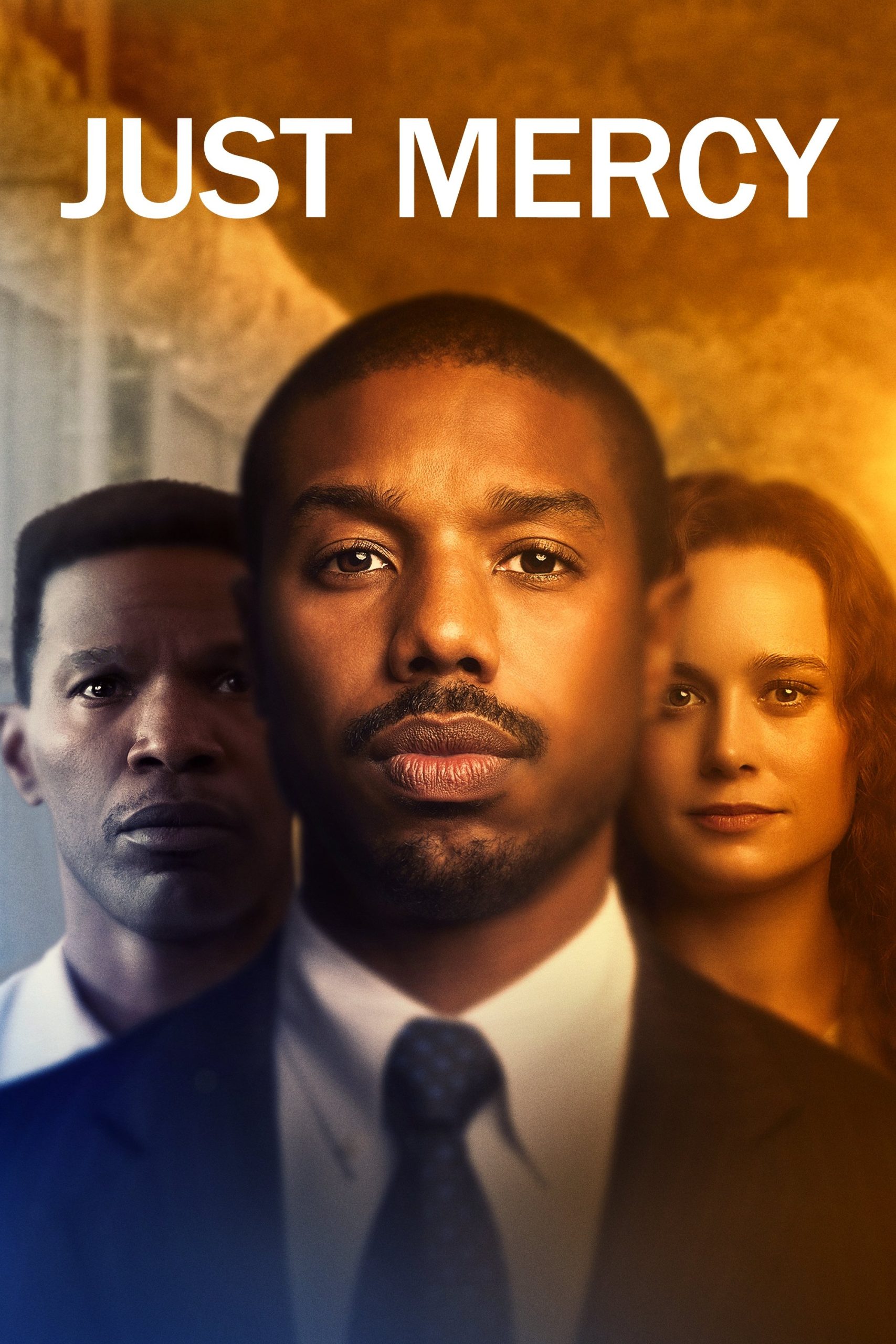
For me, few films have packed such an emotional wallop right from the opening frames as Just Mercy. Steered by director Destin Daniel Cretton, who I’ve admired since his indie roots, this 2019 legal drama instantly pulled me into its world of injustice and hard-won hope. The story follows the real-life battle for justice by attorney Bryan Stevenson (Michael B. Jordan), who takes on the case of Walter McMillian (Jamie Foxx), a Black man wrongfully convicted of murder and sentenced to death in 1980s Alabama.
Although I want to preserve the film’s most searing moments for those yet to experience them, I can say that the story builds agonizing tension as Stevenson wades into a system stacked against him and his client. What gripped me most were the moments when characters confront both the overt and insidious obstacles embedded deep within the legal system. Each court scene, every jailhouse exchange, escalates the urgency until I found myself almost breathless, questioning—with hope and heartache—how justice could possibly prevail.
Without delving into spoilers, I was continuously struck by how the film refuses easy answers. Even small victories are hard-earned, and the people on both sides of the bars feel painstakingly real. As I watched Stevenson and his team dig into the case, learning more about local prejudices, institutional misconduct, and the human fallout, I recognized that this narrative was far more than a procedural; it was, to me, a deeply intimate portrait of resilience in the face of overwhelming odds.
Key Themes & Analysis
What lingered with me long after the credits rolled was the sheer weight of injustice and the resilience required to fight it. The theme of systemic racism is inescapable—and rightfully so. Just Mercy brings out the raw pain of racial discrimination in a way that made me incredibly uncomfortable, but in all the ways that matter. The film forced me to confront the real harm that legal bias and prejudice inflict, not just on the wrongly accused but on whole communities and families.
As an analyst and frequent explorer of courtroom dramas, I was impressed by how Cretton balances the horrors of death row with the dignity of its inhabitants. The cinematography—often tight, close, and at eye-level—places viewers firmly in the shoes of the condemned. There’s a physical intimacy to the camera work that made me feel every inch of the suffocating prison cells and the loneliness of isolation. Those spatial choices underscore the story’s intent: to center the human toll, not just the spectacle of trial.
Michael B. Jordan’s performance resonated with me, not just for its measured confidence but for the layers he brings to Stevenson—a mix of idealism, exhaustion, and unfailing empathy. Jordan delivers his best work, imbuing every scene with urgency and care. But it’s Jamie Foxx who left me shaken. Foxx’s portrayal of McMillian is astonishing in its restraint—evoking a man battered by life but not broken. His quiet despair and haunted hope felt authentic at every turn. Supporting performances, especially by Rob Morgan as fellow inmate Herbert Richardson, hit me with a devastating poignancy.
From a technical perspective, I noticed how Cretton employs subtle yet effective directorial choices: minimal music in key moments, lingering silences, and unhurried, steady editing. These decisions gave me the space to process the emotion on screen rather than pushing me toward a preordained response. Rarely have I watched a film about the death penalty that presents its argument with such moral clarity without ever feeling preachy. The fact that I could sense the filmmaker’s empathy for everyone—even those complicit in the injustice—shows a sophistication often lacking in this genre.
While there are set pieces worthy of analysis, what I found most compelling was how each moment built toward the film’s core message: the necessity of hope and advocacy when justice fails. Both the quiet conversations in Stevenson’s office and the larger-scale courtroom confrontations serve this idea relentlessly. It’s a film that challenges, unsettles, and, above all, inspires action.
My Thoughts on the Cultural Impact & Legacy
Watching Just Mercy wasn’t just a cinematic experience for me—it felt like a summons. As someone who curates and critiques film for its power to shape social consciousness, I found it remarkable how Cretton transforms this individual case into a broader reflection on America’s criminal justice system, making it both historical and urgently contemporary. The film’s timing and content resonated even more deeply against the backdrop of nationwide conversations on race and systemic bias. It landed in theaters just months before movements for racial justice surged to the forefront, and I saw how its message continued to ripple out, fueling dialogues and inspiring activism.
For me, the film’s legacy lies in its amplification of real-life advocacy. After seeing Stevenson’s unyielding fight, I looked into the Equal Justice Initiative’s work, and realized I wasn’t alone; friends and fellow viewers were suddenly interested in alternatives to a broken system. This film, in my view, stands as a turning point for social-issue dramas—proof that careful artistry and factual storytelling aren’t mutually exclusive. It’s become a benchmark I measure other films against whenever I evaluate their approach to serious nonfiction topics.
I often return to Just Mercy in conversations about the evolution of the legal drama, and I can’t help but compare it to earlier works like “Philadelphia” or “A Time to Kill.” Yet, what sets it apart for me are its commitment to authenticity, the involvement of its real-life subjects, and its avoidance of melodramatic tropes. I genuinely believe it will remain essential viewing for audiences trying to grasp not just legal injustice but the ways we can challenge it. On a personal note, few movies have stiffened my resolve as much to both watch and champion films that matter—those able to move the needle of public empathy and understanding.
Fascinating Behind-the-Scenes Facts
As I dug into the making of Just Mercy, I discovered production details that only deepened my admiration:
- Michael B. Jordan took on a dual role as lead actor and producer, ensuring sensitivity and authenticity both on-screen and behind the scenes. I was intrigued to learn that he refused to let the film fall into “white savior” clichés and worked closely with Bryan Stevenson to get courtroom dynamics and personal details right. Seeing that level of dedication made me appreciate why the film feels so grounded.
- Jamie Foxx’s role drew on his own family’s experiences with wrongful incarceration. In interviews, Foxx spoke about the emotional toll of channeling not just McMillian’s ordeal but his father’s struggles, who spent time in prison for a crime he didn’t commit. Knowing this, I understood why Foxx’s performance rang with such empathy and lived-in pain.
- The filmmakers shot in real Alabama locations, including actual courtrooms and historical landmarks from McMillian’s case. That choice came with logistical challenges: the cast and crew contended with locals’ strong feelings about the case, and the environment was frequently charged with real-world tension. The decision to film “in place” lent the movie a palpable sense of authenticity that I noticed at every turn.
Why You Should Watch It
- It’s one of the most deeply empathetic portrayals of legal injustice ever put to screen, inviting you to consider not just what happened, but why it matters for all of us.
- The performances by Michael B. Jordan and Jamie Foxx are career-defining, packing emotional force without ever slipping into sentimentality.
- The film inspires real-world awareness and advocacy—something few movies achieve, making it both powerful storytelling and a catalyst for change.
Review Conclusion
At the end of my viewing, I found myself changed—not just moved, but galvanized to pay closer attention to the failures and small victories in our legal system. Just Mercy is, to me, as close as film gets to an act of public service, illuminating hidden wounds with sensitivity, courage, and genuine artistry. I cannot recommend this film enough—whether you’re a longtime fan of courtroom dramas or seek works with real-world resonance, this is essential viewing. For its rich performances, ethical clarity, and emotional weight, I rate it an emphatic 4.5/5 stars.
Related Reviews
- “Fruitvale Station” (2013) – I found this film, also starring Michael B. Jordan and directed by Ryan Coogler, to share Just Mercy’s passion for social justice through true stories, anchoring tragedy in personal experience and community.
- “When They See Us” (2019) – Ava DuVernay’s miniseries deeply resonated with me as it similarly exposes the trauma and systemic failures in cases of wrongful conviction, with a riveting, empathetic eye.
- “The Hurricane” (1999) – Watching Denzel Washington’s portrayal of Rubin “Hurricane” Carter reminded me of the emotional complexity and unyielding advocacy found in Just Mercy, making it a must-see companion piece.
- “Marshall” (2017) – If you’re compelled by portrayals of real-life attorneys changing the course of history, Chadwick Boseman’s take on Thurgood Marshall is similarly driven and meticulously acted, shining a spotlight on racial injustice in an earlier era.
For readers looking to go deeper, these perspectives may help place the film in a broader context.
🎬 Check out today's best-selling movies on Amazon!
View Deals on Amazon