
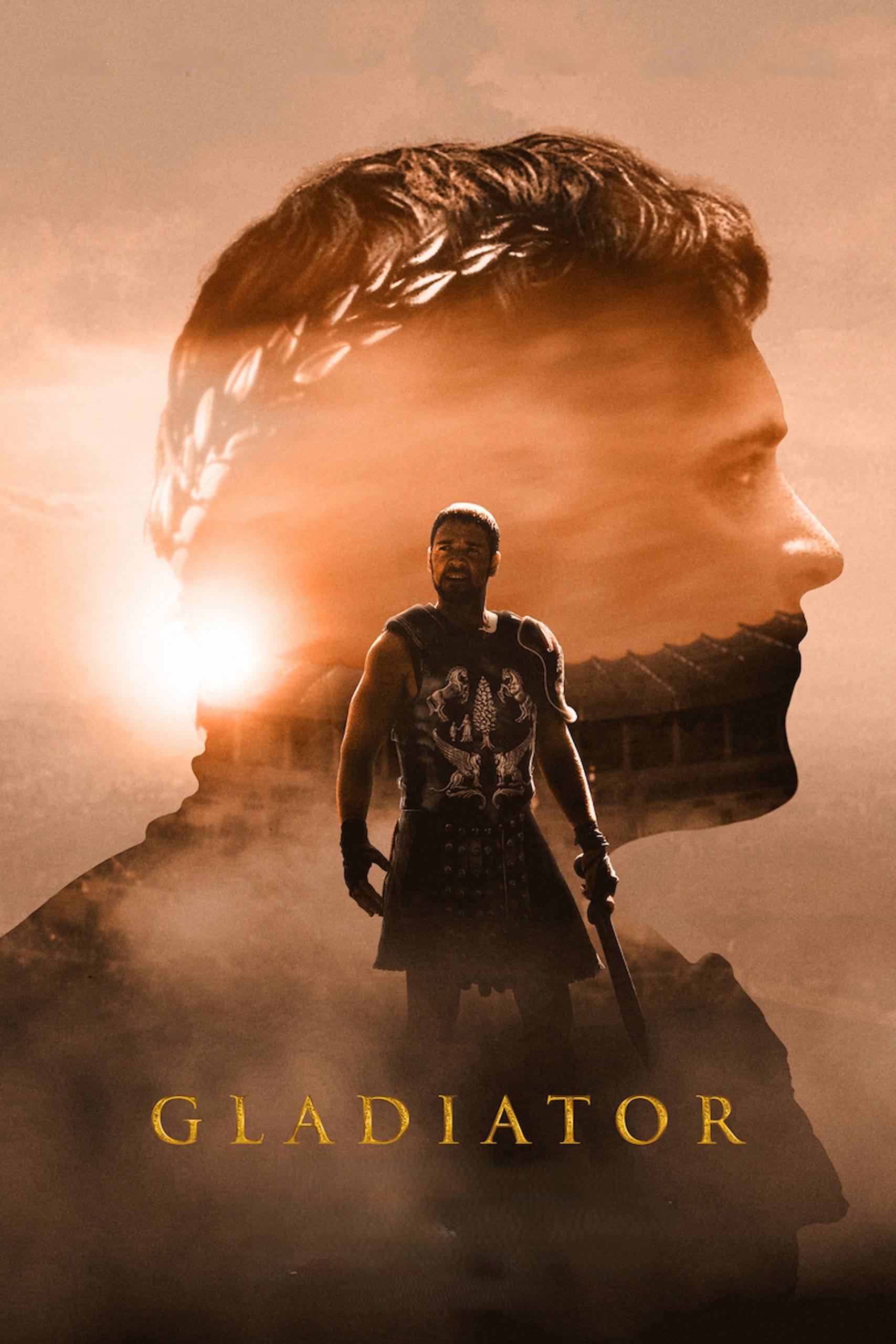
Plot Summary
As soon as I pressed play on Ridley Scott’s Gladiator, I found myself swept into a ruthless world of ancient Rome—one dominated by ambition, betrayal, and the insatiable quest for power. Watching it, I couldn’t help but be drawn into the internal and external battles faced by Maximus Decimus Meridius, a Roman general whose loyalty and honor set him apart in a society boiling with political intrigue. Without diving too deep into spoilers, I’d describe the journey as a tightly wound odyssey; Maximus, once cherished by Emperor Marcus Aurelius, is thrust into a nightmare after the emperor’s untimely death and forced into slavery, pitted against the decadent ambitions of Commodus, the ambitious son who ascends the throne.
The film pivots on the intense relationship between Maximus and Commodus, punctuated by political machinations in Rome’s marble corridors and the blood-soaked sands of the Colosseum. What I found most stirring is how Maximus’ spirit, even as he’s shackled and betrayed, never bows. Through brutal battles and chance alliances with fellow gladiators, he navigates the Roman world’s treacherous layers to seek redemption and justice, both personal and political. This isn’t just a story of survival; it’s a story about integrity tested in the most harrowing circumstances—a journey that turns a wronged man into a beacon for both vengeance and hope, for slaves and citizens alike. If you want to avoid major spoilers, this is where I stop recounting the key plot developments, but there’s far more going on beneath the surface than the outcome of each duel or intrigue.
Key Themes & Analysis
What makes Gladiator resonate so powerfully with me isn’t just the spectacle—it’s the thoughtful way it explores loyalty, corruption, justice, and the cost of personal honor within systems larger than any one individual. I see Maximus not merely as an action hero, but as a man forced to redefine who he is when stripped of everything he loves. His struggle to maintain dignity, even as a commodity in the gladiatorial arena, becomes a meditation on what freedom means when all choices are taken away.
The cinematography left a lasting impression. The visuals are expansive but intimate: from lingering shots of wheat fields that evoke lost peace, to the grandeur of the Colosseum with its roaring crowds and visceral combat. I noticed how the color palettes shift—bright golds and deep shadows conveying the stark contrasts between the world Maximus once knew and the brutal new reality he faces. The battle scenes are among the most breathtaking and technically commanding I’ve seen in historical epics, brought to life using innovative camera work, practical effects, and a keen eye for choreography that never loses sight of character emotion.
Ridley Scott’s direction is what holds all these elements together for me. He creates a space where violence serves storytelling rather than just shock value; every fight moves the emotional arc forward. Scott’s approach to tone and pacing allows quiet moments of grief and longing to coexist with the raucous, almost theatrical menace of Rome’s public spectacles. Russell Crowe’s performance as Maximus shines especially bright—his stoicism and soulfulness anchor the film. While I found Joaquin Phoenix as Commodus to be enthralling in his portrayal of insecurity veiled by authority, Connie Nielsen’s Lucilla adds emotional depth by representing the silent victims of political games.
I left the film thinking about the human cost of empire and the moral dilemmas inherent in power. The way Gladiator frames the gladiatorial games—as both tools of distraction and tools of control—felt like a fierce critique of public spectacle and the cyclical nature of violence wielded by those at the top. This sense of a society constantly teetering between civilization and savagery is underscored by Hans Zimmer’s haunting score that oscillates between melancholy and thunderous resolve, amplifying every key moment. All of these creative choices make Gladiator more than just an action epic—it becomes an examination of what it means to be human in the face of corruption and loss.
My Thoughts on the Historical & Social Context
Sitting down to rewatch Gladiator now, over two decades after its release, I still sense the heavy fingerprints of the era it was born in. Released in 2000—just as the world was fixated on millennial change, anxieties about old systems cracking, and a thirst for renewal—the story’s focus on moral courage feels like it was crafted for audiences uneasy about where authority and tradition were leading us. I believe the timing of Gladiator’s arrival made it more than entertainment; it became a rallying cry for those yearning to believe that individual honor can resist the rot of political decay.
Reflecting on my own worldview, I find Gladiator’s themes eerily relevant even today. The film’s depiction of power being wielded without accountability, and the populace pacified by spectacle, reads like a parable for our current age—whether that’s in media, politics, or celebrity culture. When I see Maximus reject the lure of easy revenge for something greater—a legacy of hope and justice—I’m reminded of modern movements that ask us to look beyond our own struggles and question the legitimacy of those who claim authority. In an age saturated by noise and distraction, Gladiator’s insistence on remembering what matters—family, honesty, perseverance—speaks to my sense of yearning for leadership guided by conscience rather than brute force. The enduring relevance of Gladiator lies in its assertion that true power is earned through sacrifice and service, not fear or spectacle, and I still find myself stunned by how the film manages to voice that truth so powerfully two decades later.
Fact Check: Behind the Scenes & Real History
One of the most fascinating things I discovered while digging into Gladiator’s behind-the-scenes story was just how tumultuous its production process was. For instance, the script was being rewritten almost every day of shooting, a process so frantic that even Russell Crowe himself reportedly threw the pages aside at times, trusting instead to his performance and the core emotional through-line. That improvisational energy, I think, translates into the raw and urgent feel of many scenes, especially those that balance restraint and violence amid the chaos of Rome.
I was also absorbed by the efforts to blend historical inspiration with storytelling necessity. While the real Commodus did indeed fight as a gladiator and became notorious for his cruel excesses, the life of Maximus is invented—though based in part on various Roman generals and the idea of honor against a corrupt throne. Scott and his writers took the liberty to create a composite hero, which allowed them to distill the era’s moral tensions with clarity. The Colosseum itself was reconstructed using a mix of physical sets and ground-breaking CGI for the time, setting a new standard for ancient historical epics. This fusion of practical effects and digital innovation gave Gladiator its lasting grandeur, breathing life into the Roman world in a way that felt real and immediate.
What intrigues me most is how the cast handled the toll of bringing such an intense, physically demanding story to life. Oliver Reed, who portrayed Proximo, passed away during filming, and as a result, the filmmakers employed body doubles and digital effects to finish his remaining scenes—a move that was both technically innovative and emotionally poignant, as it added a layer of real-world loss to the unfolding drama onscreen. This commitment to storytelling despite obstacles only deepened my appreciation of the film’s authenticity, both in spirit and execution.
Why You Should Watch It
- The film offers an intensely personal journey through the grand sweep of Roman history, with a protagonist whose moral struggle is as compelling as the epic battles themselves.
- Stunning visual craftsmanship and innovative blending of practical and digital effects recreate ancient Rome with rare depth and grandeur.
- The themes of justice, leadership, and resilience remain sharply relevant for audiences questioning power and integrity in any era.
Review Conclusion
When I look back on my experience with Gladiator, what lingers isn’t just the thrill of the battles or the vivid recreation of Rome, but the film’s deep and persistent belief that honor and compassion can outlast cruelty. The performances, particularly by Russell Crowe and Joaquin Phoenix, set a high-water mark for modern epics, while Ridley Scott’s direction elevates every scene with tension and emotional resonance. In a genre that can sometimes rely on spectacle alone, Gladiator stands out to me as a thoughtful meditation on the endurance of the human spirit. Whether you approach it for its action, its artistry, or its sharp social commentary, it’s a film that rewards repeated viewing and deep reflection long after the credits roll. I happily award Gladiator 4.5 out of 5 stars, reserving that final half star only because, every time I revisit it, I find something new to challenge and move me.
Related Reviews
- Kingdom of Heaven (2005): I recommend this because, like Gladiator, it’s directed by Ridley Scott and deals with the clash between personal values and the grinding machinery of war and politics, all set against a meticulously realized historical backdrop.
- Braveheart (1995): In my view, anyone drawn to Gladiator’s epic scale and meditation on freedom vs oppression will find much to admire in Mel Gibson’s brutal yet heartfelt portrait of William Wallace’s defiance against English rule.
- Master and Commander: The Far Side of the World (2003): I suggest this for those compelled by Gladiator’s blend of camaraderie, moral complexity, and the price of leadership—the film dives deep into naval warfare and the bonds formed under extreme peril.
- The Last Samurai (2003): To me, this Tom Cruise-fronted epic evokes many of Gladiator’s core themes: an outsider’s journey toward honor, reinvention, and difficult choices in the context of a corrupt or dying empire.
If you want to explore this film beyond basic facts, you may also be interested in how modern audiences respond to it today or whether its story was inspired by real events.
🎬 Check out today's best-selling movies on Amazon!
View Deals on Amazon