
Plot Summary
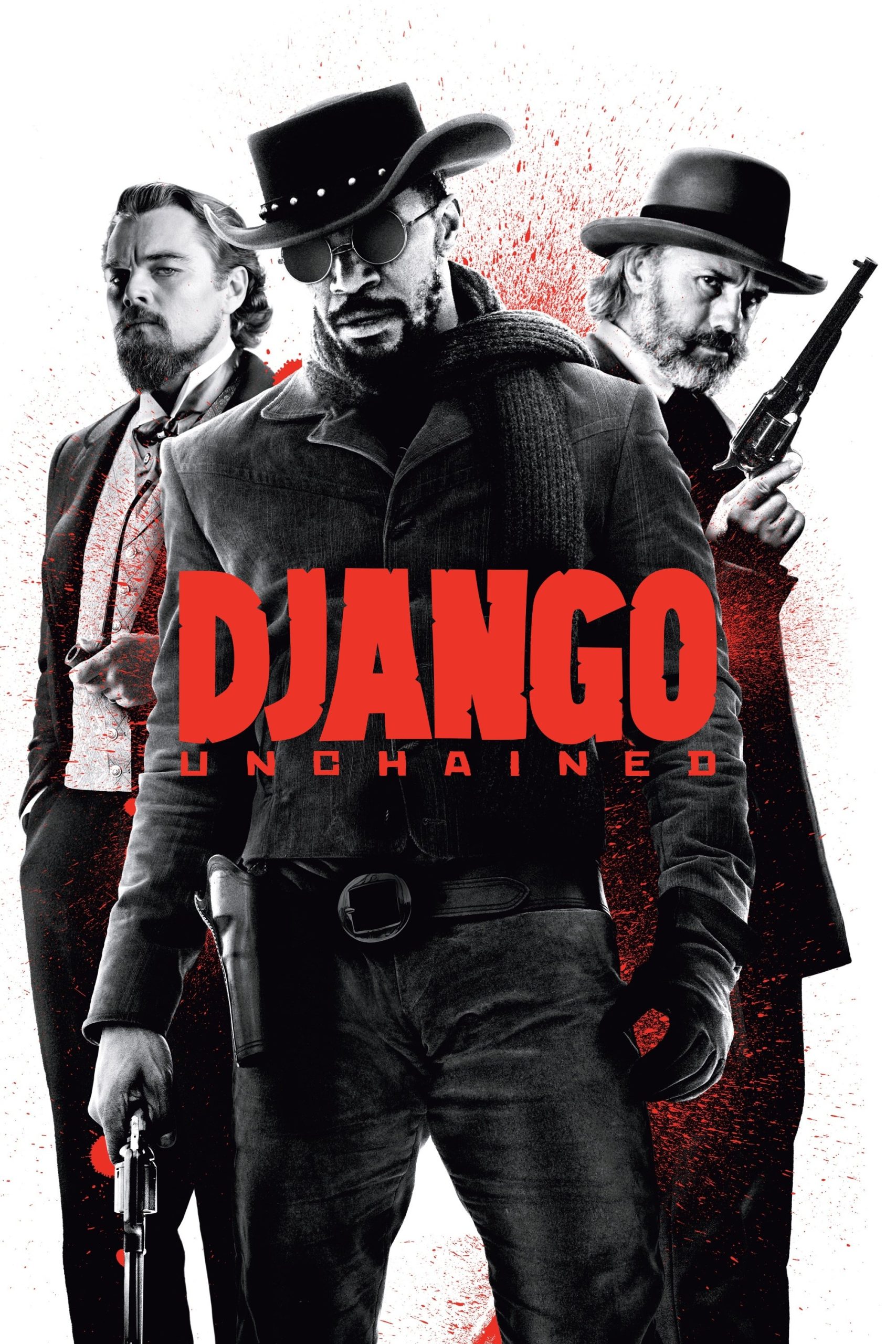
Reflecting on the first time I watched Quentin Tarantino’s bold excursion into the Western genre, I remember being simultaneously unsettled and enthralled. Django Unchained sets itself apart by fusing classic Spaghetti Western motifs with biting commentary on pre-Civil War America, flavored with Tarantino’s signature flair for dialogue and stylized violence. The story orbits around Django, a formerly enslaved man who partners with the idiosyncratic Dr. King Schultz, a German bounty hunter. Together, they traverse the ruthless South, Django motivated by an unwavering pursuit to rescue his wife Broomhilda from the grip of the notoriously cruel Calvin Candie. Their journey is laced with tension, dark humor, and unexpected camaraderie, each scene unfolding against the backdrop of a society scarred by racism and greed.
I always felt that to relay the plot would be to rob viewers of the joy that comes from Tarantino’s unpredictable storytelling rhythm. While the film builds toward a bloody crescendo, it is the shifting allegiances and moral ambiguities that kept me rapt. The love story beneath the violence gives the narrative a vital pulse, anchoring the film’s wildest moments in something deeply human. For those avoiding spoilers, I will only say that Django’s mission is filled with escalating dangers and thinly veiled threats, where even acts of kindness can quickly turn lethal. Tarantino designs a world that is, at every turn, liable to explode—if not from gunfire, then from the collision of pride, vengeance, and hope.
Key Themes & Analysis
What makes Django Unchained linger in my memory is its unflinching gaze at America’s legacy of enslavement. I found the film’s unvarnished depiction of racial brutality to be both necessary and deeply discomforting. Rather than shying away from the grotesque realities of the era, Tarantino wields the camera like a scalpel, exposing the everyday horrors and hypocrisies that underpin the story. While some critics accused the film of sensationalism, I saw it as a deliberate choice—to confront viewers with the ugliness of this period rather than allow them the luxury of distance or denial.
Stylistically, I was repeatedly struck by Tarantino’s ability to weave humor and horror within the same frame. Moments of suspense resolve into sharp wit, only to be shattered by sudden violence. It is a messy, volatile tone, but in my view, it mirrors the moral chaos at the heart of the film. Cinematographer Robert Richardson’s use of wide shots evokes classic Westerns, yet every frame is tinged with a contemporary sensibility—a kind of meta-awareness that makes each gunfight feel both referential and urgent. The saturated color palette and lavish costume design underscore the performative nature of the antebellum South, where cruelty is both institution and spectacle.
The performances anchor the movie’s wild tonal shifts. Jamie Foxx’s portrayal of Django is all simmering rage and quiet dignity, a man steeling himself against both his enemies and the traumas of his past. Christoph Waltz, as Dr. Schultz, offers a counterweight—a figure of sardonic intelligence, his decency punctuated by moments of ruthless pragmatism. Every time Leonardo DiCaprio’s Calvin Candie enters the frame, I felt a chill; he is the embodiment of genteel evil, all charm with a rotten core. Even the supporting performance of Samuel L. Jackson as Stephen unsettled me in ways few antagonists do—his internalization of the master’s values presents a complicated and heartbreaking portrait of complicity.
I can’t overlook how dialogue serves as both weapon and shield. In Tarantino’s hands, language is never neutral; it’s charged with subtext, history, and threat. The script pulls no punches when grappling with the realities of slavery, often daring the audience to confront their own discomfort. That’s a risk, and one I believe pays off because it refuses to sanitize or romanticize American history. The film’s core is a meditation on power, resistance, and the cost of dignity.
What truly hit me, though, is how Tarantino simultaneously celebrates and dissects the Western mythos. By centering a Black hero and subverting genre conventions, he invites us to reconsider whose stories are told and who gets to be heroic. I saw Django’s journey as both a violent reclamation and a cosmic rebuke to old Hollywood’s whitewashed narratives.
My Thoughts on the Cultural Impact & Legacy
It’s rare for a film to leave a palpable mark on both the cultural conversation and my own approach to critiquing movies. Django Unchained did both—sparking fierce debate around representation, historical memory, and the ethics of stylized violence. When I first encountered this film, I was struck by how unapologetically it called out the myths America tells itself about race. Tarantino’s approach is divisive, but what I admired was his willingness to make audiences uncomfortable, to force engagement with history rather than offering a sanitized fantasy. That, to me, is the sign of a film that matters.
More than a decade after its release, I find myself revisiting Django Unchained as a kind of touchstone for the evolving Western. Before it, Black protagonists in the genre were largely relegated to the sidelines or erased altogether. By placing Django at the heart of the story, Tarantino crafted a film that punches through ossified archetypes and insists on the centrality of stories rarely elevated in Hollywood. I’ve seen the film’s influence ripple out—both in the way subsequent filmmakers handle race in genre storytelling and in how audiences demand more complex, honest reckonings with the past.
For me personally, the film sharpened my sense of what cinema can accomplish. It reminded me that discomfort is often the price of progress, and that spectacle and substance are not mutually exclusive. Django Unchained’s resonance lies in its brash refusal to let viewers off the hook. As a curator of film, I cannot ignore how it pushed boundaries—provoking outrage, admiration, and necessary debate. It’s a film I revisit when I want to see how art can disrupt, unsettle, and ignite discussion.
Fascinating Behind-the-Scenes Facts
Peeling back the layers of Django Unchained, I discovered several production stories that deepen my appreciation for the film’s ambition. The casting journey alone is a fascinating study of “what might have been.” Initially, Tarantino envisioned Will Smith for the role of Django, but ultimately, it was Jamie Foxx’s intense, contained performance that delivered the emotional payoff. I find it remarkable to reflect on how different the film’s tone might have been with an alternate lead—Foxx brings a layered stillness that lets every burst of violence and vulnerability land with maximum impact.
Another detail that caught my eye was the decision to rely on as many practical effects as possible, especially in the film’s explosive shootouts. Tarantino, a clear devotee of old-school filmmaking, orchestrated intricate choreography with real squibs and stage effects. There’s a certain satisfaction I get from knowing that the gunfights’ chaotic, visceral energy is rooted in physical performance rather than CGI. The set-pieces pulse with authenticity—a testament to the cast and crew’s dedication to the craft.
One anecdote that sticks with me is Leonardo DiCaprio’s infamous scene at the dinner table. During an especially heated moment, DiCaprio inadvertently sliced his hand on broken glass. Instead of halting production, he continued the scene, blood streaming down his hand, never breaking character. This injury made it into the final cut, infusing the scene with a raw, unpredictable energy that I found electrifying. To me, it’s the kind of behind-the-scenes alchemy that elevates a film from well-made to unforgettable.
Why You Should Watch It
- Unforgettable Performances: Every key actor, from Jamie Foxx to Christoph Waltz and Leonardo DiCaprio, delivers work that bristles with tension, nuance, and emotional depth.
- Revolutionary Genre-Bending: The film reinvents both the Western and revenge thriller by centering marginalized voices and interrogating America’s darkest histories.
- Audacious Visual and Narrative Style: Tarantino’s distinctive direction transforms every set-piece into a spectacle, making each scene as thematically charged as it is entertaining.
Review Conclusion
When I consider where Django Unchained sits in Tarantino’s canon and in the lineage of American cinema, I rate it among the most vital, provocative works of its era. It’s a film that dazzles and disturbs in equal measure—sometimes in the same breath. For its kinetic artistry, willingness to wade into difficult territory, and its impact on the Western genre, I give Django Unchained a 4.5/5. It is not a perfect movie, but it is, for me, an essential one.
Related Reviews
- 12 Years a Slave (2013): For those drawn to stories probing slavery and its psychological toll, this Steve McQueen drama offers an unflinching, historically grounded counterpoint to Django’s genre stylings.
- The Hateful Eight (2015): Also helmed by Tarantino, this film continues his deconstruction of the Western genre with a more claustrophobic, suspense-driven setup, examining race, betrayal, and survival under extreme pressure.
- Blazing Saddles (1974): Although markedly more comedic, Mel Brooks’ satire pokes at Western tropes and American prejudices—making it, in my view, an important companion in considering how race and genre intersect on film.
- Dead Man (1995): Jim Jarmusch’s existential Western shares Django’s penchant for both subverting and honoring classic genre beats, all while centering an outsider’s perspective.
For readers looking to go deeper, these perspectives may help place the film in a broader context.
🎬 Check out today's best-selling movies on Amazon!
View Deals on Amazon