
Plot Summary
I’ll never forget the adrenaline rush I felt the first time I watched this tightly-wound action thriller directed by John McTiernan. From the opening moments, the atmosphere pulses with an anticipatory energy. The story revolves around NYPD officer John McClane, who visits his estranged wife at a Los Angeles high-rise on Christmas Eve. What’s supposed to be a cordial office party soon derails when an armed group of highly organized criminals—led by the charismatic Hans Gruber—takes the building hostage.
What captivated me about the setup wasn’t just the stakes—one man trapped in a skyscraper—but how intimately McClane’s vulnerability is intertwined with every beat of the plot. He sneaks, listens, and bleeds rather than simply mows down opponents, and that gives the action a distinctive rawness. The tension mounts as he outsmarts his adversaries step by step, trying to keep innocent lives safe, including his wife’s. From hidden air ducts to explosive showdowns, the suspense rarely lets up, pushing me to the edge of my seat at every turn.
Spoiler warning: If you’re diving into the film for the first time, I urge you to avoid reading further into the plot. What makes Die Hard such an electric experience is not just the destination, but the way it crafts nerve-wracking escalation and clever surprises out of familiar tropes.
Key Themes & Analysis
The deeper I dig into Die Hard, the more I appreciate how it redefines the action genre’s archetypes. McClane isn’t invincible; he’s vulnerable, scared, and fallible, often talking to himself or joking through the pain. I found this realism striking—especially compared to the muscle-bound, one-dimensional heroes dominating ’80s action cinema.
What really pulls me in is the film’s thematic focus on isolation, masculinity, and resilience. McClane’s predicament—a lone man cut off from help, fighting through sleet and blood for the people he loves—forces the audience to question what it really means to be heroic. His everyman status and sardonic humor make him not just relatable but profoundly human in the face of extraordinary adversity.
Visually, I was struck by how Jan de Bont’s cinematography turns the Nakatomi Plaza into a character in itself. The claustrophobic shots of labyrinthine hallways, flickering lights, and glass-strewn offices heighten the suspense at every turn. The setting isn’t just a backdrop; it’s a dynamic playground for chaos, survival, and hard choices.
Hans Gruber, performed with icy charm by Alan Rickman, left an indelible mark on me. Rickman’s understated menace and dry wit elevate Gruber beyond a typical villain, embodying a complexity that’s rare even in most modern blockbusters. The cat-and-mouse repartee between Gruber and McClane is rife with philosophical undertones—greed versus duty, order versus chaos, cynicism versus hope.
I also can’t ignore McTiernan’s directing. He resists excessive quick cuts or shaky cam, instead favoring composed shots that let the action—and the actors’ reactions—breathe. The sound design, laced with subtle holiday music cues, gives the film an ironic edge as Christmas jingles contrast sharply with violence and tension. That juxtaposition gives the story thematic heft and underlines the thin line between peace and chaos.
Ultimately, for me, Die Hard isn’t just a shoot-’em-up thriller—it’s a meditation on persistence under pressure, the price of integrity, and the cost of reconciliation. It rewards attention to character moments as much as to explosive setpieces.
My Thoughts on the Historical & Social Context
The late 1980s were a tumultuous period—culturally and socially—which shaped the way I interpret Die Hard. As I see it, the film reflects the uncertainties of a world still dealing with the Cold War’s aftermath, where terrorism, foreign threats, and economic anxieties simmered just below the surface of American life. The high-rise locale, sleek yet impersonal, is the seat of global capitalism, and the film’s antagonists are not simple bank robbers but politically ambiguous outsiders.
For me, there’s a palpable tension between the old and new guard of masculinity. McClane is a blue-collar cop, out of place in the polished environments and corporate sensibilities of 1988 Los Angeles. Watching him stumble his way through high-tech obstacles and foreign adversaries, I get a sense that the film negotiates a changing America—one less sure of itself, struggling to reconcile traditional values with a rapidly modernizing world.
Die Hard mattered to the audiences of its era because it challenged the “invincible hero” mythos that saturated action films at the time. I see in McClane an ordinary guy forced to confront both personal and external crises without the conveniences of omnipotence. This, in my view, was a direct appeal to viewers who had grown cynical in the face of distant politicians and real-world violence—someone they could identify with, albeit in heightened circumstances.
What strikes me now, decades later, is how prescient the film feels. Its themes—resilience, resourcefulness, the burdens of separation and connection—still resonate in a culture where crises, both personal and societal, never truly abate. Watching Die Hard now, I reflect on how the struggle for a sense of agency amid chaos remains as timely as ever.
Fact Check: Behind the Scenes & Real History
When I dove into the making of Die Hard, I was fascinated to learn that Bruce Willis was far from the studio’s first choice for John McClane. At the time, Willis was mostly known for the TV show Moonlighting, and action superstars like Arnold Schwarzenegger and Sylvester Stallone were at the top of the list. It almost didn’t happen; Willis was only cast after several action heavyweights passed on the role. I think this bit of casting history explains a lot about the film’s unique tone—Willis brings a wry, vulnerable sensibility to McClane that wouldn’t have worked the same with a more conventional action star.
Another fact that always sticks with me is Alan Rickman’s debut. Die Hard was Rickman’s first feature film, and he filmed his iconic character’s death scene on just his second day on set. The reaction we see on screen—an expression of shock and terror as Hans Gruber falls—is so authentic because the crew dropped Rickman several seconds earlier than he expected. This genuine surprise gives that moment its particular impact. It’s one of those rare cases where a production trick delivers organic, lasting movie magic.
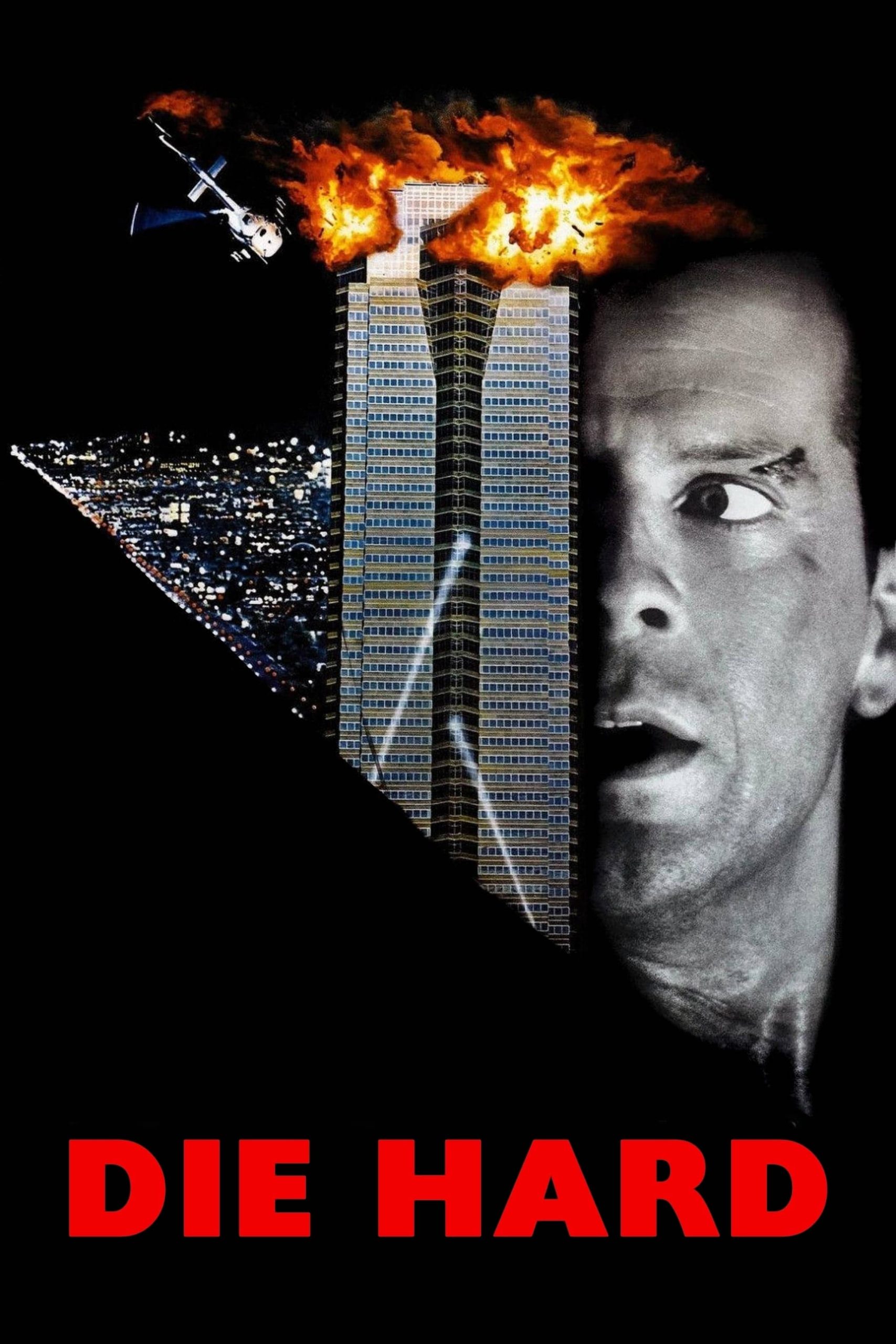
I’m also fascinated by how Die Hard’s Nakatomi Plaza is actually the Fox Plaza building in Los Angeles. The use of a real skyscraper not only enhanced the sets’ authenticity, but, as I’ve read, it posed significant challenges for the crew. From difficult stunt work to on-site explosions and real-life fire alarms going off during night shoots, the authenticity of the location seeps into every frame and amps up the palpable sense of danger that permeates the film.
Why You Should Watch It
- Bruce Willis delivers a career-defining, relatable performance that reimagines what a modern action hero can be.
- The film seamlessly blends suspense, humor, and heart, setting a new standard for smart, character-driven action.
- John McTiernan’s direction and Jan de Bont’s cinematography create a relentless, immersive atmosphere unlike any other action film of its time.
Review Conclusion
After countless rewatchings, I remain convinced that Die Hard set a new gold standard for the action genre. It’s more than just high-octane thrills—its blend of wit, emotional stakes, and grounded heroism gives it a timeless quality. Every time I revisit John McClane’s harrowing ordeal, I catch new subtleties in the performances and staging that reinforce its place in my personal pantheon of all-time cinema classics. If you’re looking for a film that redefined what it means to be both vulnerable and heroic, this is one you simply can’t miss. I’d enthusiastically give my rating: 5/5.
Related Reviews
- Lethal Weapon (1987): I recommend this film for its blend of biting dialogue and complex characters—much like Die Hard, it partners intense action with real emotional depth, focusing on flawed heroes facing personal demons.
- Speed (1994): This movie carries forward the high-stakes, enclosed-environment formula I love about Die Hard, with Keanu Reeves and Sandra Bullock going head-to-head with a fiendish villain on a runaway bus.
- The Fugitive (1993): If the mix of suspenseful pacing and a relentless protagonist appeals to you, Harrison Ford’s one-man quest for justice in The Fugitive is a natural companion piece—driven more by brains and persistence than brute force.
- Heat (1995): I see Michael Mann’s Heat as a spiritual cousin for its sprawling urban conflict, intricate cat-and-mouse interplay, and nuanced performances, giving the action-thriller formula a more existential edge.
- Air Force One (1997): Harrison Ford brings similar everyman gravitas to this airborne thriller, defending his family and country against terrorists—a scenario echoing Die Hard’s claustrophobic, ticking-clock tension.
If you want to explore this film beyond basic facts, you may also be interested in how modern audiences respond to it today or whether its story was inspired by real events.
🎬 Check out today's best-selling movies on Amazon!
View Deals on Amazon