
Plot Summary
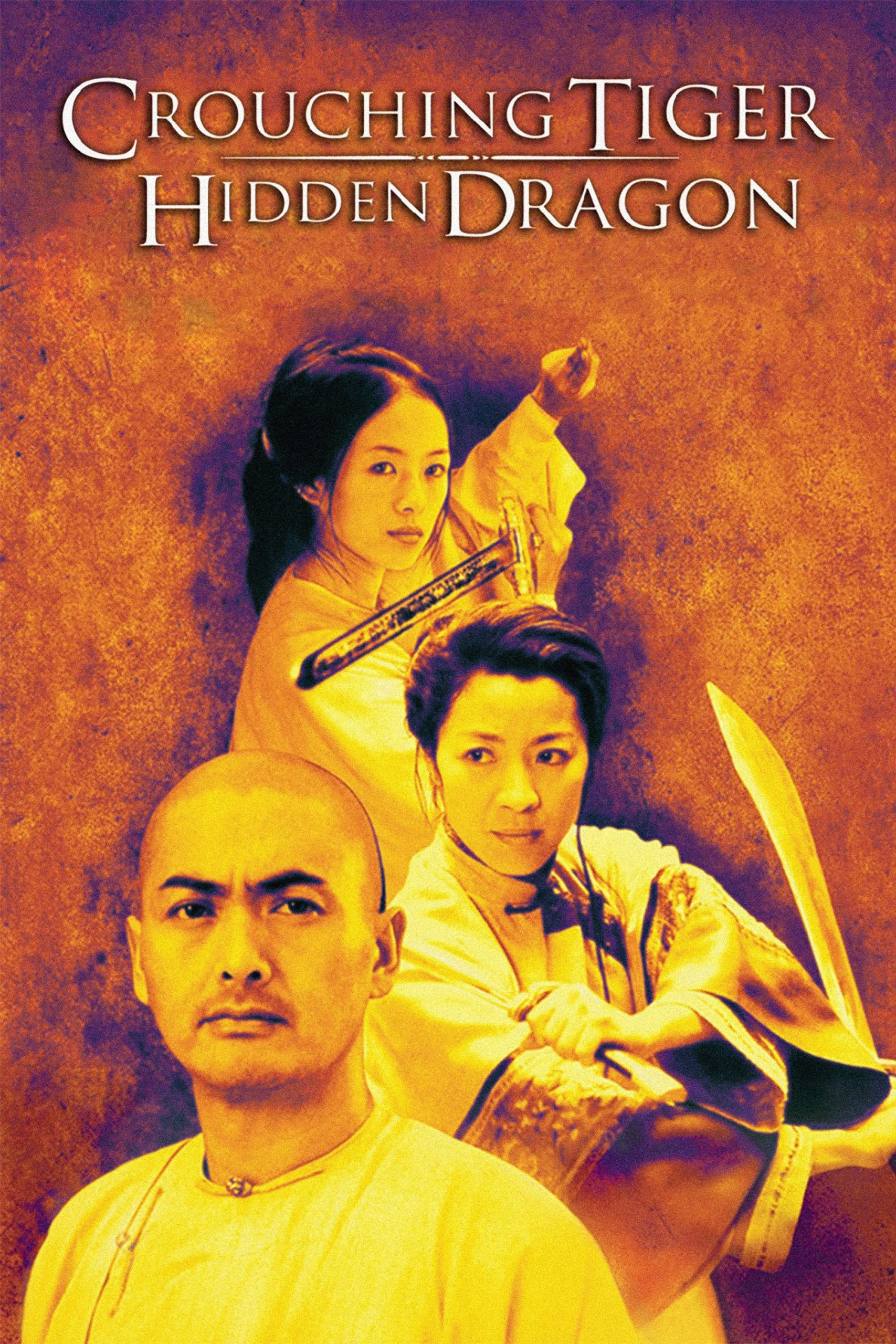
Watching Crouching Tiger, Hidden Dragon for the first time was like discovering a new language of cinema I hadn’t realized existed. Ang Lee, who directed this astonishing work, drew me in with his painterly approach to the martial arts epic—a genre known as wuxia that I’d admired from afar but never felt so personally captivated by until this film. The story, while rooted in tradition, surprised me with its multifaceted characters and emotional currents.
The plot centers around the intertwined fates of gifted warriors in Qing dynasty China. Master swordsman Li Mu Bai, yearning to leave behind a life of violence, entrusts his mystical sword, the Green Destiny, to a revered friend. This simple act sparks a series of events involving Yu Shu Lien, a formidable female warrior, and Jen Yu, a seemingly docile aristocrat harboring secret desires and untapped abilities. When the sword is stolen, what unfolds is not just a pursuit of a stolen object but a search for lost honor, forbidden love, and self-identity.
I appreciated that even with all the swirling palace intrigues, masked thieves, and breathtaking mountain chases, the story reserved its deepest moments for the all-too-human conflicts at the heart of its protagonists. There are immense joys I experienced in the visual spectacle, but my emotional investment was consistently pulled into the tension between personal desire and societal duty.
Spoiler warning: I’ll be careful to steer clear of revealing the final fates of the main characters. What mattered to me most, anyway, wasn’t just “what happened” but how incredibly rich the journey was to witness.
Key Themes & Analysis
What stood out immediately to me was how the film uses martial arts as poetry in motion rather than just spectacle. Each fight sequence felt charged with unspoken emotion, and every leap across tiled rooftops or silent clash amid bamboo forests served as a visual expression of the character’s interior struggles. Ang Lee’s direction felt less about choreographing violence and more about choreographing yearning, restraint, and longing.
For me, repression and forbidden love provided the film’s emotional core. Both Li Mu Bai and Yu Shu Lien battle external enemies, but the greater struggle is their silent, mutual love—constantly deferred by honor and loyalty. Watching their guarded glances and subtle deflections, I couldn’t help but feel the intensity of affection that tradition bars them from expressing. I think it’s rare for action-driven cinema to immerse me in such poignant, quiet agony alongside all the cinematic fireworks.
The character of Jen Yu became a personal fascination. Her journey—torn between her obligations as a high-born woman and her reckless drive for freedom—gave me an intimate view of what it means to be trapped between opposing worlds. I saw Jen’s acrobatic martial prowess not just as stunts, but as a physical manifestation of her wild search for identity. Her scenes, especially in the moonlit bamboo forest, stunned me with their metaphorical resonance; the very heights she achieves seem to mirror her attempts to transcend the life prescribed for her.
Cinematographically, the film is an absolute feast. Peter Pau’s camera bathes each frame in ethereal blues and greens, the palette echoing both the serenity and the turbulence of its protagonists. There were moments—especially during the “weightless” fighting sequences—when I lost my sense of time and place. It felt as though the images themselves had transported me to a world both mythic and immediate. The wirework and visual effects, rather than feeling artificial, helped me sense the fairy tale logic at play, the way wuxia allows for stylized bursts of wonder.
I can’t praise the performances enough. Chow Yun-fat as Li Mu Bai radiates a serene nobility tinged with heartbreak. Michelle Yeoh, whose gaze alone could communicate whole lifetimes of regret and resolve, became the emotional anchor I kept returning to. Zhang Ziyi’s Jen Yu truly startled me: her transformation over the film reflects such a spectrum of vulnerability, fury, and longing. I found myself haunted by her character for days.
Beyond the love stories and swordplay, the film also posed questions about agency, gender, and legacy. I was caught off guard by how much the female characters drove the narrative. They are the ones forced to make impossible choices, their actions echoing long after the swords are sheathed. This inversion of expected dynamics left a lasting impression on me, inviting a reexamination of what a wuxia tale could be.
My Thoughts on the Cultural Impact & Legacy
Years after I first saw it, I’m still grappling with the ways Crouching Tiger, Hidden Dragon reshaped my understanding of what international cinema could achieve. The film didn’t just cross cultural or genre boundaries; it created a bridge between East and West, bringing the rich traditions of Chinese epic storytelling to the world stage. When I trace its impact, I see how it paved the way for other subtitled films to gain respect (and audiences) far beyond their home countries.
I remember attending a sold-out screening in my own city and being stunned at how a martial arts epic could feel so lyrical, so universal. What made it even more profound to me as a film curator was how it ignited conversations among people who’d never before considered wuxia, or foreign cinema, “for them.” It made the language of genre cinema accessible, even to those unfamiliar with Chinese history or filmmaking.
Personally, this film marked a pivot in my approach to programming and recommending cinema. It showed me how genre films, when crafted with vision and empathy, could embody profound truths—about love, regret, legacy, and self-determination. It also left a mark on action filmmaking, raising the bar for fight choreography and narrative ambition. When I see echoes of its weightless combat, unspoken passions, and tragic beauty in other films, I’m reminded just how enduring its legacy has been.
For me, its blend of technical bravado and emotional nuance continues to resonate long after the credits roll. Few films have left such a deep personal and professional impression on me.
Fascinating Behind-the-Scenes Facts
Delving into the production history of Crouching Tiger, Hidden Dragon only deepened my appreciation for what appeared on screen.
One fact that still fascinates me is the unique linguistic challenge faced by the cast. Despite their Chinese heritage, few of the principal actors were fluent in Mandarin—Zhang Ziyi being the notable exception. Chow Yun-fat, for instance, had to painstakingly memorize his lines phonetically, sometimes repeating takes over two dozen times to perfect his pronunciation. I can only imagine the dedication it demanded, especially considering Michelle Yeoh was working with an injured knee during key scenes—her persistence shines through in every frame.
Another standout story for me was the sheer ambition of the fight choreography. Yuen Woo-ping, already renowned for his innovative work, devised stunts that required months of wire training. I learned that the now-iconic bamboo forest duel was filmed at dizzying heights, relying almost entirely on practical effects and a minimum of digital augmentation. The actors had to develop enormous trust in the crew, particularly when suspended meters above the ground on gossamer wires. The resulting balletic, gravity-defying sequences still ripple through action cinema today.
What might surprise many viewers (and certainly surprised me upon first learning it) was Ang Lee’s initial uncertainty about directing a martial arts film. Known for intimate dramas rather than large-scale action, Lee brought his deep character sensibility to the project—which, in my view, directly informed why the film resonates with such emotional complexity. The film’s seamless melding of spectacle and soul can be traced back to this unconventional choice.
Why You Should Watch It
- It redefines martial arts cinema by balancing breathtaking action with layered emotional storytelling—a rare and exhilarating combination.
- The film boasts stunning visual artistry, from its hypnotic landscapes to its meticulously choreographed fight sequences, making every frame a work of art.
- At its heart, the story weaves together themes of love, honor, and self-discovery that transcend cultural boundaries, offering something deeply relatable for viewers everywhere.
Review Conclusion
Every time I revisit Crouching Tiger, Hidden Dragon, I rediscover its bold vision and intimate humanity. Ang Lee’s direction offers not just a feast for the eyes but a meditation on longing, agency, and the cost of restraint—all set against the backdrop of sumptuously shot landscapes and kinetic swordplay. It’s a masterclass in balancing genre with depth, subtlety with spectacle. I hold it up as a film that changed how I think about both action cinema and global storytelling, and it continues to move and inspire me with every watch.
Star Rating: 5/5
Related Reviews
- Hero (2002) – I see in Zhang Yimou’s film a kinship with Crouching Tiger’s poetic visuals and meditative exploration of honor and sacrifice. Both films elevate wuxia with lush cinematography and a philosophical lens.
- House of Flying Daggers (2004) – For viewers drawn to emotionally charged romance and gorgeously stylized martial arts, this film’s blend of tragic love and sensory spectacle makes it a natural companion.
- The Assassin (2015) – If what entranced you in Ang Lee’s work was the slow-burn tension and internal conflict of a solitary woman torn by duty, Hou Hsiao-hsien’s film brings its own quietly powerful vision of the genre.
- Memoirs of a Geisha (2005) – While not wuxia, I recommend this for those interested in stories of women navigating tradition and desire within dramatic, visually lush period settings.
For readers looking to go deeper, these perspectives may help place the film in a broader context.
🎬 Check out today's best-selling movies on Amazon!
View Deals on Amazon