
Plot Summary
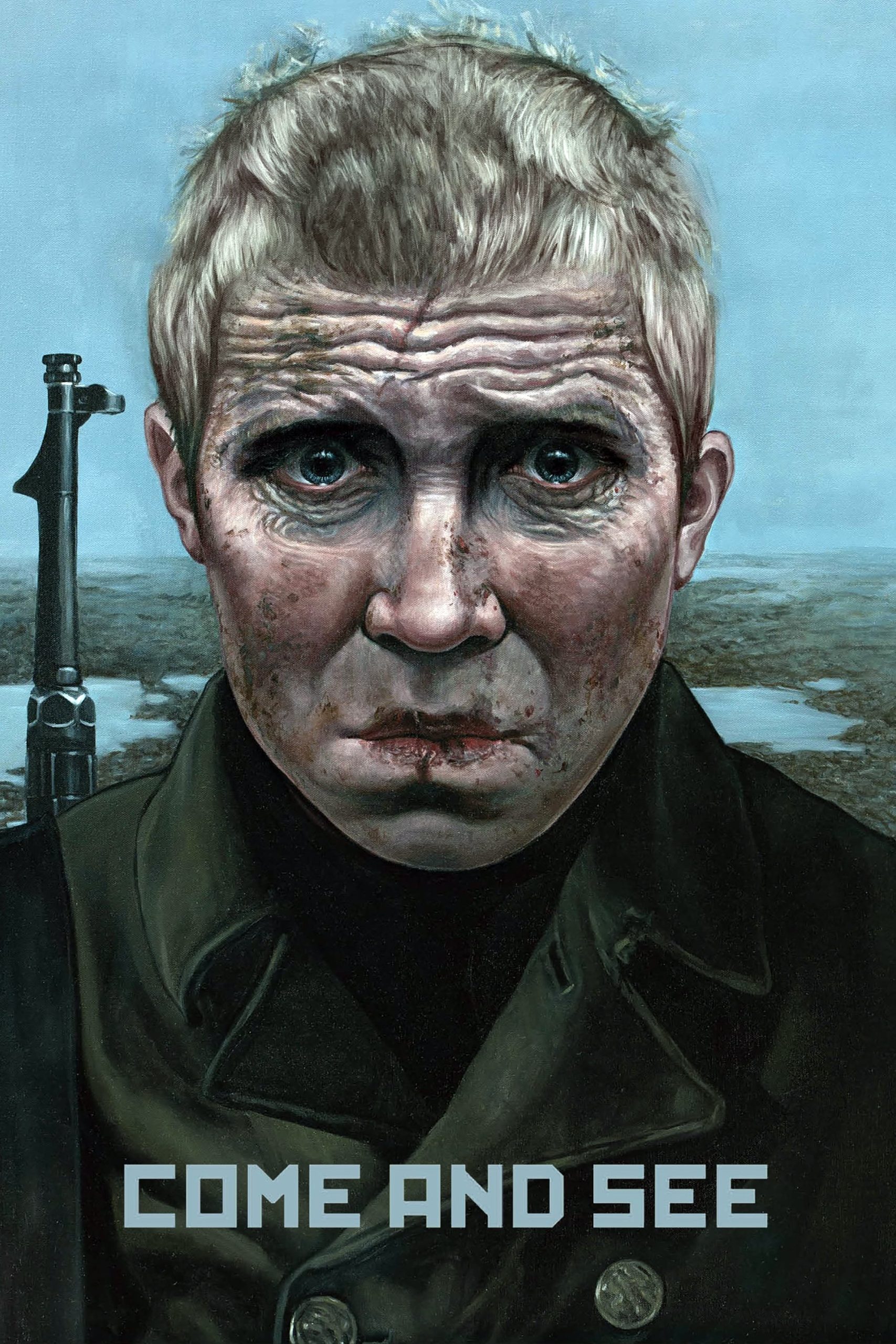
The first time I watched Elem Klimov’s harrowing descent into the chaos of war in “Come and See” (1985), I found myself utterly submerged in the world of its young protagonist. The film throws us directly into the firestorm that erupts after Florya, a Belarusian teenager, joins the partisan resistance during World War II. What unfolded before me wasn’t just a story about war—it was an all-consuming vision of innocence shattered. Without divulging critical twists or traumatic specifics, I can share that the narrative follows Florya as he is swept up by unimaginable events after discovering a buried rifle. From the first uneasy moments in his village, I watched how any hopes of heroism quickly give way to sheer survival and soul-crushing loss. Episodic, dreamlike scenes of companionship, separation, and rural devastation build toward an emotional crescendo so raw that I still recall the sensation of being almost physically impacted by the film years later. For those cautious about spoilers, beware: some of the images and sequences in this film are so unforgettable, I’ve never been able to erase them from my mind’s eye. The genius of “Come and See” is its harrowing, deeply subjective storytelling; rather than narrating from a distance, it forces me to endure every scream, every muddy step, from the protagonist’s perspective.
Key Themes & Analysis
From the opening minutes, I was struck by how Klimov refuses to romanticize or sanitize any aspect of war. There’s nothing in “Come and See” that promises glory or redemption. I felt as if the entire film worked tirelessly to communicate war’s ravenous capacity to destroy not only bodies, but the very core of our humanity. The way sound and silence collide—gunfire replaced by deafening static, human voices drowned by the roar of planes—pulled me inside Florya’s deteriorating mental state. Alexei Rodionov’s cinematography, with those suffocating close-ups and long, unflinching takes, left me nowhere to hide. I remember one particular shot that lingers: Florya’s face, streaked with mud and terror, the camera locked on his wide eyes as if demanding I acknowledge his agony.
For me, what makes the film so uniquely powerful is how it immerses me in the psychological horror of witnessing evil without comprehension or explanation. There are recurring motifs—mirrors, animals, decay—that seem to ask: what remains of innocence once it is forced to look directly at the world’s cruelest truths? Beyond aesthetics, the director’s hand is evident in the phantasmagoric tempo and haunting sound design. The war sequences rarely resemble conventional battlefield skirmishes; they become fever dreams. I found the performances absolutely wrenching, especially Aleksei Kravchenko’s portrayal of Florya. Watching him, I saw time and again how a child’s face can transform, within hours, into a mask of untold trauma. Every supporting actor contributes to the growing, oppressive sense that even the strongest bonds cannot protect against the world’s violence.
Above all, I think “Come and See” is distinguished by its refusal to distinguish between perpetrators and victims in simple moral binaries. Instead, the film compels me to ask, again and again: how can anyone survive an experience that erases everything familiar, everything gentle? I’ve watched many war films, but few have so insistently blurred the line between reality and nightmare until I felt my own sense of safety begin to erode. These artistic choices never strike me as self-indulgent; they are always purposeful, aligning me with Florya’s internal collapse.
My Thoughts on the Cultural Impact & Legacy
What struck me most after my first and every subsequent viewing was how “Come and See” forever redefined my standards for cinematic depictions of violence and suffering. I grew up on films about WWII that, even at their darkest, still paused for moments of uplift or patriotism. In Klimov’s vision, there is none of that comfort. Instead, the film’s cultural impact lies in its unflinching honesty—a quality that I think unsettled audiences internationally and challenged filmmakers to confront atrocities without recourse to catharsis. The spirit of “Come and See” reverberated through later works exploring the cost of war on children, identity, and the psyche. When I watch contemporary cinema that attempts to dramatize brutality, I often sense a quiet debt to Klimov’s refusal to look away.
On a more personal note, this film has always served as a kind of moral litmus test for me—as a curator and critic, I regularly return to it to recalibrate my sense of what cinema can achieve at its highest form. Every time I experience those long, silent pauses or the sudden bursts of terror, I am reminded how art can act as both a warning and a memorial. I have seen firsthand, through festival circuits and film communities worldwide, how “Come and See” has become a cornerstone for anyone serious about world cinema. Its influence persists not only because of its technical prowess, but because of its ability to shake me awake—forcing me to recognize how real human history, when faithfully depicted, eclipses the most creative fiction.
Fascinating Behind-the-Scenes Facts
Delving into the details behind the making of “Come and See” only deepens my respect for its achievement. I’m always astonished, for example, to learn that Aleksei Kravchenko, who played Florya, was only 14 at the time of filming. The production’s commitment to authenticity went to remarkable lengths: Kravchenko’s hair was actually bleached and his nerves tested by real gunfire with live rounds (albeit carefully monitored) to elicit genuine fear. This blurring of performance and reality gives the film a chilling edge I can feel in every close-up.
Another fact I find particularly engrossing is how Klimov insisted on shooting in chronological order—an unconventional choice intended to help the actors, especially the young protagonist, organically experience Florya’s spiral into trauma. As a result, the visible transformation we see is not just acting, but a direct imprint of the emotional and physical duress endured during production.
Researching further, I discovered that the film’s original title was almost “Kill Hitler,” but Klimov opted for “Come and See,” a phrase drawn from the Book of Revelation. That title sets the tone for the film’s apocalyptic moral resonances—I feel the weight of that biblical allusion every time I revisit the ending. The behind-the-scenes turmoil, including repeated censorship from Soviet authorities who feared the film’s unflinching brutality, only heightens my appreciation. It’s a testament to persistence and vision that the film survived to make such an impact.
Why You Should Watch It
- A rare, immersive perspective on the devastating psychological impact of war, told through the eyes of a child whose innocence is systematically erased.
- Innovative cinematography and sound design that propel viewers directly into the terror and confusion of combat, offering an experience that goes far beyond conventional war dramas.
- An unforgettable lead performance and a haunting narrative arc that challenge traditional notions of heroism, victimhood, and survival.
Review Conclusion
Coming away from “Come and See,” I feel changed every time. I consider it a towering achievement—not just as a war film, but as a testament to cinema’s ability to bear witness to the hardest truths. The technical mastery, directorial courage, and emotional authenticity converge to create a visionary anti-war statement that I still measure other films against. If you value movies that take genuine artistic risks, that offer not answers but a raw invitation to empathy, then this is essential viewing. For its uncompromising power, historical significance, and personal impact on me as a critic, I give it 5/5 stars.
Related Reviews
- “Ivan’s Childhood” (1962, dir. Andrei Tarkovsky): I always recommend this poetic yet devastating Russian film because it shares a similar focus on war’s effect on youth—blending stark realism with moments of surreal, lyrical beauty. It’s a necessary follow-up for those compelled by childhood seen through the horrors of war.
- “The Ascent” (1977, dir. Larisa Shepitko): Much like “Come and See,” this Soviet drama interrogates the moral and spiritual costs of survival under occupation, exploring how ordinary people are tested by extraordinary atrocity. Its psychological intensity and winter landscapes are unmistakably kindred.
- “Paths of Glory” (1957, dir. Stanley Kubrick): For its unflinching depiction of military absurdity and the destruction of innocence by bureaucratic violence, I consider this film deeply resonant for any viewer affected by Klimov’s vision.
- “Fires on the Plain” (1959, dir. Kon Ichikawa): I find this Japanese anti-war classic just as immersive and emotionally demanding—following a soldier’s descent into madness and hunger, it offers a harrowing, subjective experience of war’s dehumanization.
For readers looking to go deeper, these perspectives may help place the film in a broader context.
🎬 Check out today's best-selling movies on Amazon!
View Deals on Amazon