
Plot Summary
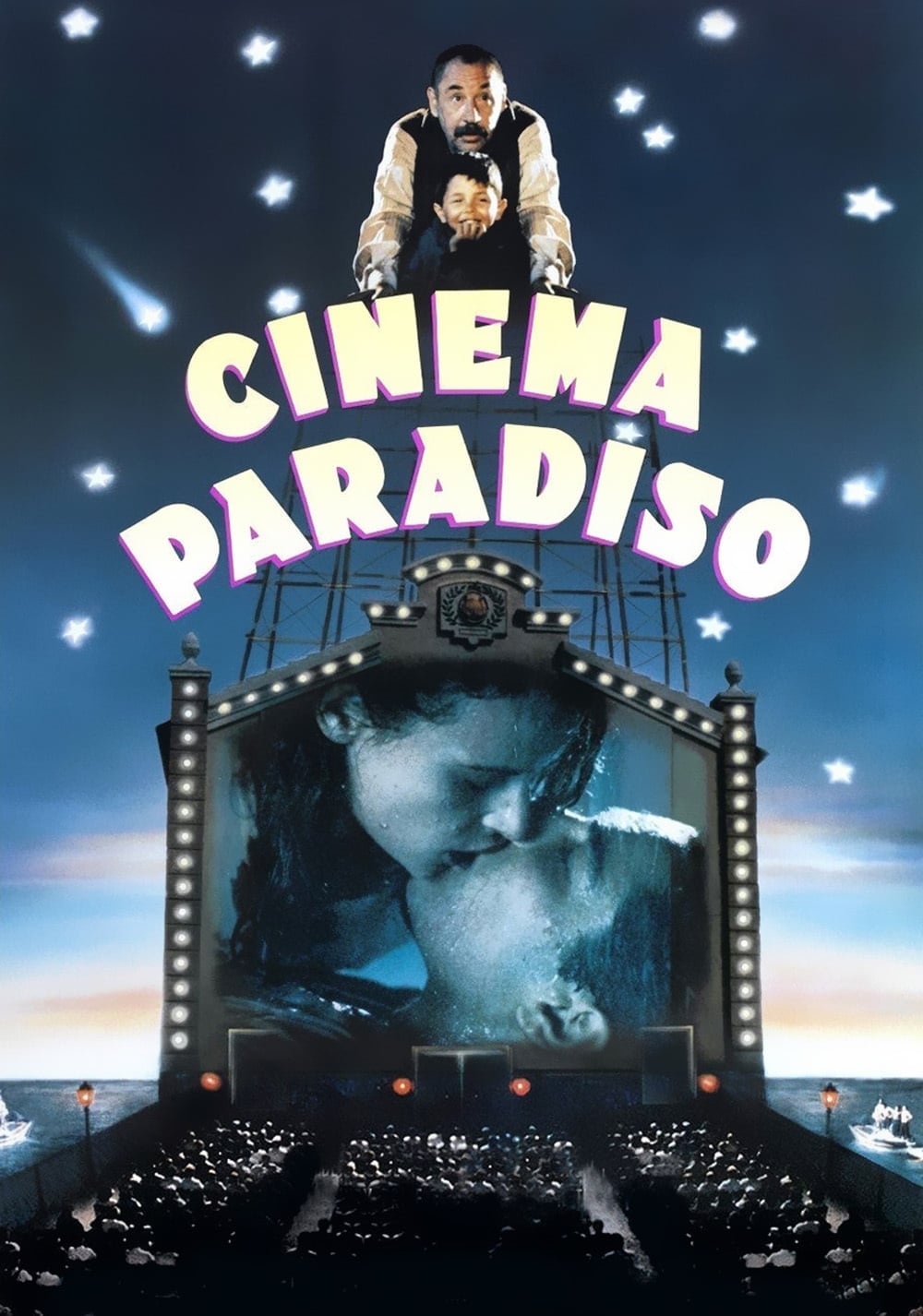
What hit me hardest when first watching Giuseppe Tornatore’s Cinema Paradiso was how the film uses nostalgia to both comfort and wound. The story unwinds in a small Sicilian village through the eyes of Salvatore, a successful filmmaker whose memories of childhood come spilling back after news of an old friend’s passing. The entire journey is told in lush, memory-soaked vignettes. Young Toto, as he’s called in his youth, is captivated by the magic flickering on the screen of the town’s only cinema—the Paradiso. His relationship with Alfredo, the warm but world-weary projectionist, becomes the axis around which so many of the film’s joys and sorrows spin.
I appreciated that the movie moves between Toto’s mischievous childhood, the pangs of first love, and the complicated ache of growing up and moving on. Each chapter is rich in anecdote, yet the structure holds back from melodrama. Instead, it feels like a gentle excavation of memory. Without revealing too much, it’s important to note that the plot hinges on a handful of emotional revelations, with one particular sequence—a final edit of excised film reels—bringing a thematic climax that’s best left discovered without spoilers.
In other words, Cinema Paradiso envelopes viewers in the soft haze of recollection, painting loss, longing, and the transformative power of movies on the canvas of a small town’s everyday life. Even for those who haven’t lived Toto’s experiences, the emotional through lines tug insistently, reminding me how the act of remembering can shape and redefine the story of our own lives.
Key Themes & Analysis
What kept echoing in my mind long after the credits rolled was the way Cinema Paradiso interlaces the power of cinema itself with the intimate growth of its protagonist. For me, the film is a passionate love letter to the communal experience of moviegoing and the bittersweet demands of becoming an adult. I saw the Paradiso theater not just as a backdrop, but almost as a living character. Its walls absorb laughter, secrets, and heartbreak over generations, reflecting the entwined destinies of the people who fill its seats night after night.
The central dynamic—Toto’s mentorship under Alfredo—is handled with remarkable subtlety. Alfredo’s tough affection and hard-won wisdom give shape and meaning to Toto’s innocent, searching heart. As the old man splices forbidden kisses from censored reels, I couldn’t help but feel these moments are metaphors for every secret, every fleeting emotion that adulthood asks us to sublimate or set aside. Their conversations about life, art, and sacrifice struck me as genuinely moving, without ever tipping into sentimentality.
Visually, Tornatore wields his camera like a memory itself: sometimes bright and airy, as if filtered by childhood’s optimism, and other times shadowed, heavy with things unsaid. Ennio Morricone’s score is a masterstroke of melody and melancholy. Its swelling themes wrap each scene in emotional resonance, heightening every triumph and disappointment. I was particularly drawn to how Morricone’s music surges during scenes of communal viewing—the village united in laughter or awe within the cinema’s battered walls. It’s a poignant reminder that movies have always been about shared connection as much as solitary reflection.
The performances left an indelible impression. Philippe Noiret’s Alfredo is at once gruff, witty, and heartbreakingly vulnerable. The way he relates to young Toto—as protector, provocateur, and surrogate father—brings enormous depth to every scene. The child actors, especially Salvatore Cascio, astonished me with natural warmth and subtlety; Toto’s eagerness and pain feel utterly real. Tornatore’s direction elicits these layers while never losing sight of the town’s bustling ensemble—priests, lovers, pranksters, and dreamers, all lovingly and sometimes comically rendered.
What I consider the film’s central message is that cinema is a vessel for longing. The theater is a place where unspoken hopes and forbidden desires flicker across the screen—moments too volatile or private for life itself. Tornatore quietly insists that leaving home, with all the growth and heartbreak it requires, is the price of artistic or personal maturity. But what’s left behind—love, friendship, places of meaning—remains luminous in the rearview mirror. For me, this is a profoundly Italian form of nostalgia: a simultaneous ache for lost innocence and a celebration of the stories that make any life worth living.
My Thoughts on the Cultural Impact & Legacy
What I find most powerful about Cinema Paradiso is the way it redefined the possibilities of the coming-of-age story, painting it with the textures and rhythms of Italian village life. When I reflect on its release in 1988, I see it as a bridge between classic European storytelling and an emerging era of global cinema, where memory and artifice mingle like old friends. The film’s win at the Academy Awards for Best Foreign Language Film wasn’t just an international honor—personally, I viewed it as a signal that stories from smaller, so-called ordinary places could shape the world’s perception of what cinema could be.
As a curator and critic, this film reshaped my understanding of film’s emotional potential. It modeled the idea that the smallest details—a flicker of light, a whispered phrase in a Sicilian dialect, a silent touch—can carry the entire emotional weight of years, even generations. Its influence shows up in modern works that embrace bittersweet storytelling and foreground the importance of community, mentorship, and creative yearning. For me, the film challenged assumptions about nostalgia’s value; it showed me that longing isn’t just a static set of fond memories, but an active, creative force in both life and art.
I’m continually moved by how Cinema Paradiso inspired a renewed appreciation for both the technical craft of classic cinema and the narrative power of intimate storytelling. So many directors I admire—think of Alfonso Cuarón, Barry Jenkins, or Greta Gerwig—draw from this willingness to slow down, to let memory and imagination dissolve into one another. For me, seeing this film for the first time was like unlocking a new vocabulary for talking about loss, love, and the beauty found in ordinary rituals. Even decades later, its influence ripples through film festivals, university curriculum, and my own recommendations for anyone wanting a movie that sings with the ache and joy of living.
This film is a touchstone for anyone who loves movies and sees them not just as entertainment, but as a way of holding together the fragments of who we are and where we’ve come from. That’s why its legacy continues—and why, whenever I revisit it, I find something new flickering at the edges of every frame.
Fascinating Behind-the-Scenes Facts
Digging into the production history of Cinema Paradiso revealed so many small gems that deepened my affection for the movie. The first is all about casting: Originally, director Giuseppe Tornatore cast a different actor as young Toto. Only after the first week of filming, realizing the emotional chemistry wasn’t there, did Tornatore bring in Salvatore Cascio—whose infectious enthusiasm instantly transformed the entire tone of the film. I was genuinely amazed to learn that this pivotal decision was made so boldly and so late in production, and I can’t help but wonder how the film would have played with anyone else in the central role.
The second fact that stands out for me involves the technical side of restoring classic reels. Many of the film clips shown in the Paradiso cinema are lifted from original Italian and American classics, painstakingly sourced and spliced together so the audience feels part of a living history of film. Obtaining rights to these vintage snippets, and integrating them into the fictional world, took tireless negotiation and creative editing. Tornatore has spoken about how these embedded movie scenes were critical not just to the story but to his vision of how film shapes memory and identity.
And then there’s the story of the film’s two versions: I’ve always been intrigued by how the original Italian cut, nearly 170 minutes long, was considered a flop at home. Only after significant trimming and a strategic international re-release did Cinema Paradiso become an international sensation, beloved by critics and audiences alike. This journey from local obscurity to global recognition fascinates me—and underscores for me the mystery and luck that sometimes guide film to its rightful audience.
Why You Should Watch It
- It’s a heartfelt exploration of how art—especially cinema—shapes personal and collective identity, offering a unique mix of emotional weight and universal relatability.
- The film crafts complex, deeply human relationships that linger in the heart long after the screen fades to black.
- Ennio Morricone’s score and Giuseppe Tornatore’s direction combine to create an unparalleled sensory and emotional experience—one that reminds me what made me fall in love with movies in the first place.
Review Conclusion
If I were to pin down why Cinema Paradiso still sits at the center of my personal canon, it comes down to this: Rarely has a film managed to honor both the fragility of memory and the strength of community with such warmth, wit, and wisdom. It’s a masterclass in how to tell stories that feel intensely personal yet resonate universally. Every time I return to it, I’m flooded with nostalgia—not just for a vanished era of film, but for the universality of longing itself. I couldn’t recommend it more strongly to those who cherish movies as more than just distraction, but as a lifeline to meaning, love, and self-understanding.
My rating: 5/5 stars.
Related Reviews
- “The Spirit of the Beehive” (1973, dir. Víctor Erice) – I see Erice’s quiet Spanish masterpiece as a close kin to Cinema Paradiso in its poetic use of childhood memory, small-town atmosphere, and the transformational magic of cinema on a young soul.
- “The Wind Rises” (2013, dir. Hayao Miyazaki) – What draws me to recommend this is its blending of historical setting, bittersweet nostalgia, and the pursuit of artistic dreams—even at the cost of personal attachment. Both films make heartbreak feel transcendent.
- “Amélie” (2001, dir. Jean-Pierre Jeunet) – The meticulous, whimsical attention to a Paris neighborhood’s heartbeat echoes Tornatore’s affection for community. I recognize in both films a deep belief in transformation through simple acts of love and imagination.
- “The Last Picture Show” (1971, dir. Peter Bogdanovich) – Like Cinema Paradiso, this classic contemplates the passing of an era and the bittersweet ache of growing up, centered on a small-town movie theater and the lives entwined within it.
For readers looking to go deeper, these perspectives may help place the film in a broader context.
🎬 Check out today's best-selling movies on Amazon!
View Deals on Amazon