
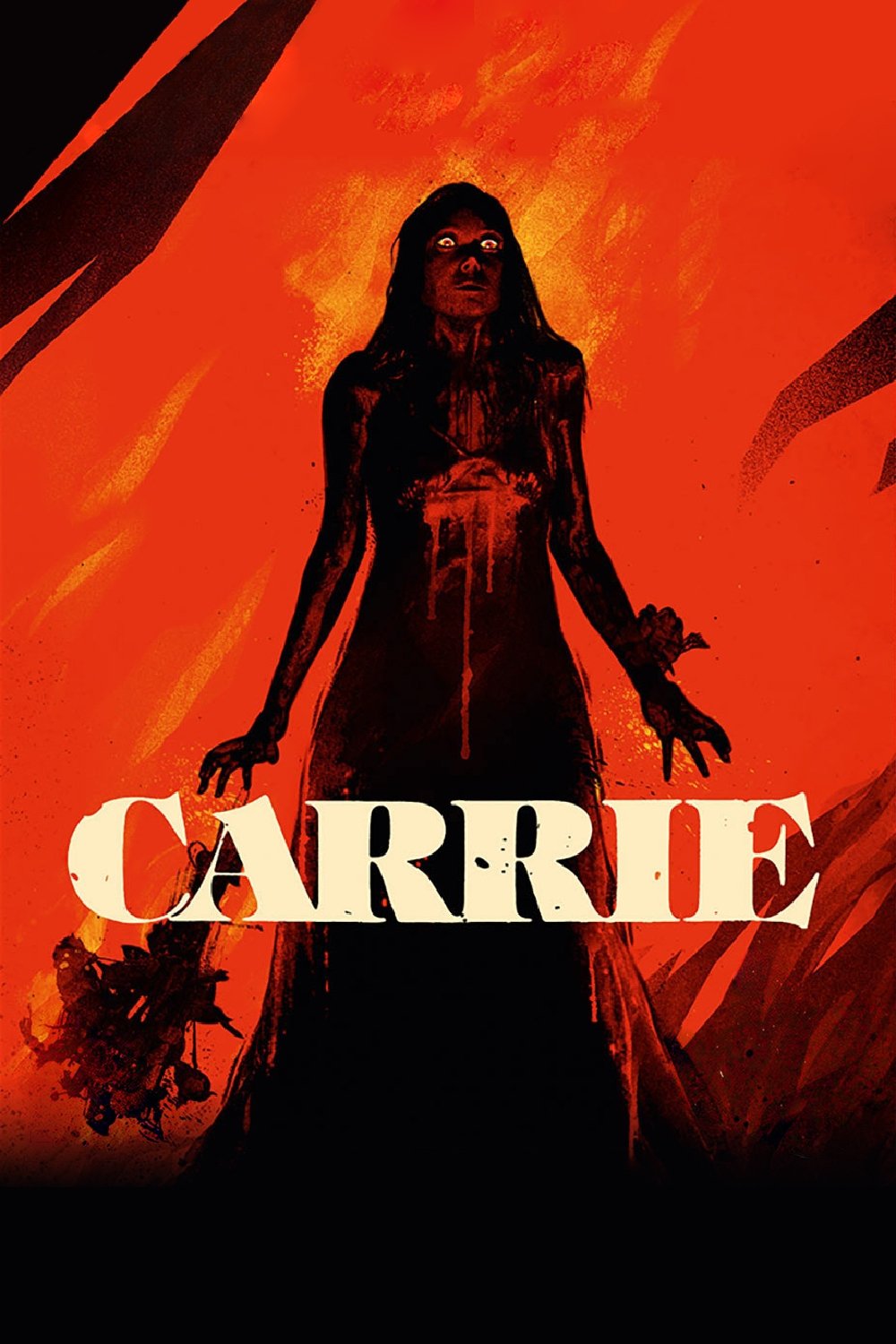
Plot Summary
I remember the first time I watched “Carrie,” directed by Brian De Palma in 1976, and how instantly unsettling the sense of dread crept up on me. Instead of just serving up a shock-laden horror experience, the film teases out its story with patience and a razor-sharp understanding of adolescent vulnerability. The plot revolves around Carrie White, a painfully shy, ostracized teenager grappling with an oppressive home life and relentless bullying at school. Early on, I was drawn into her quiet suffering, punctuated by supernatural incidents hinting at powers she barely understands — and these moments build a gnawing anxiety that I felt in my bones.
I won’t spoil the climactic surprises that define the film’s legacy, but what stands out to me is the way “Carrie” peels back the layers of both cruelty and kindness. De Palma structures the narrative to ensure that every humiliation and every moment of hope echoes with significance. For much of the film, the storyline is measured and observational, immersing me in the awkward rituals of high school life: gym class taunts, the yearning for acceptance, the mounting anticipation of prom night. Watching Carrie lurch between terror and tentative joy, I found myself bracing for the moment everything would unravel—fully aware I was in for something unforgettable.
Warning: Beyond this point, some reflections may touch on the film’s notorious climax. While I won’t detail every twist, be aware that the final act permanently etched “Carrie” into my memory for its boldness and emotional intensity. The last stretch explodes with violence and catharsis, but even amidst the supernatural chaos, I was more haunted by the deep loneliness and pain still radiating from Carrie herself.
Key Themes & Analysis
Every time I revisit “Carrie,” I am struck anew by how deeply the film probes themes of alienation, repression, and the pain of adolescence. Above all, I find the exploration of mother-daughter dynamics to be devastating. Margaret White, played with ferocious intensity by Piper Laurie, embodies religious fanaticism so suffocating that I often felt as trapped as Carrie herself. Their scenes together form the emotional core of the story, revealing how profound psychological torment can breed both psychic and literal turmoil.
What always intrigues me is that De Palma doesn’t rely solely on horror tropes to mine terror; his visual style imbues even the ordinary with menace. The director’s daring use of split screens, slow motion, and saturated colors is more than just flash—it’s an expression of Carrie’s fractured, heightened reality. The prom sequence especially, with its slow, almost dreamlike build, feels to me like watching a nightmare unfold while fully awake. De Palma’s flourishes of suspense weren’t just technically innovative; I found that they blurred the line between psychological horror and raw, human tragedy.
Sissy Spacek’s performance as Carrie remains, for me, one of the bravest and most heartbreaking turns in any horror film. She plays Carrie with an aching innocence, tinged by fleeting hope and simmering rage. Her portrayal made me feel every humiliating moment, every glimmer of escape, and every lash of cruelty or grace. The uncomfortable payoff is that the story’s monstrous spectacle emerges from very real emotional pain. Similarly, the performances by all the young actors—particularly Nancy Allen and John Travolta as the gleefully wicked antagonists—felt grounded in a cruel authenticity that only made the eventual horror more plausible.
Every technical choice, from the unnerving string-heavy score by Pino Donaggio to the harsh, unforgiving close-ups, reinforced my sense that I was witnessing more than just a genre piece; I was being forced to confront the mechanisms of social cruelty and, especially, the way fear itself becomes a kind of prison. Carrie, more than most films of its era, shows how horror can expose festering wounds within the American psyche—whispering that the real monsters are rarely born, but made.
My Thoughts on the Cultural Impact & Legacy
If I had to pinpoint one film that redefined what horror could accomplish on screen, “Carrie” would be near the top. When I first saw it, I couldn’t shake the feeling that I was watching the birth of an entirely new marriage between horror and tragedy. Most films offered either scares or sympathy, but few so skillfully balanced both. The aftermath of this movie—both in my own film-viewing habits and in the wider cultural conversation—was profound.
To me, “Carrie” represents a seismic shift in how horror tackled real-life issues like bullying, religious zealotry, and adolescent trauma. Its influence is almost impossible to measure; I see echoes of its structure, its empathy, and its audacity in everything from “Heathers” to “It Follows.” What resonates especially is that the horror never feels cheap or exploitative. Even today, the film’s imagery—spattered with both blood and longing—has become shorthand in pop culture for the extremes of teenage anguish. I find myself referencing its prom scene whenever conversations turn to powerful cinematic catharsis.
Personally, “Carrie” informs much of what I look for in boundary-breaking cinema. It proved to me that genre films could be emotionally intelligent, and that terror and heartbreak could occupy the same frame. It challenged me, as both a critic and a fan, to seek out films that dared to push the envelope—especially when that risk shines a light on our most uncomfortable realities. Anyone curating or studying horror owes a debt to De Palma’s vision and Spacek’s haunting presence. On a personal note, the film gave me permission to embrace movies that refuse to tidy up their emotional messes. It’s a touchstone for why I love cinema that not only discomforts, but deeply moves its audience.
Fascinating Behind-the-Scenes Facts
Peering behind the curtain of “Carrie,” a few stories deeply fascinate me—not just for their trivia appeal, but for how they shaped what ended up on screen. One of the most astonishing facts I learned is that Sissy Spacek was fiercely determined to land the lead role. To convince De Palma and the casting team, she arrived at her audition wearing a sailor dress her mother made, rubbed Vaseline in her hair, and intentionally avoided washing her face—fully embodying Carrie’s awkward, outcast persona before even saying a word. That uncanny commitment transformed my understanding of just how much an actor’s preparation can shape a performance.
Another anecdote I can’t get out of my head, and that I often share with fellow cinephiles, is the technical challenge behind the infamous prom blood scene. The crew only had one chance to get the perfect shot of the bucket dropping on Spacek, thanks to the sheer mess and logistics of drenching her in real, sticky stage blood. Spacek insisted on staying in the soaked costume for days, not just for continuity but to help sustain her raw emotional state throughout filming. That level of dedication blows me away, and it’s no wonder the sequence remains such an indelible piece of cinematic history.
Finally, the entire high school cast was asked to attend classes together before shooting began. Brian De Palma wanted to nurture genuine chemistry and tension. This method left a mark on me because it’s clear, even in fleeting exchanges and background moments, that the kids’ relationships feel organic and lived-in. The result is a world that’s both real and terrifying, grounding the supernatural moments in believable ennui and rivalry.
Why You Should Watch It
- A unique blend of psychological horror and human tragedy that delivers both emotional depth and unforgettable suspense
- Sissy Spacek’s mesmerizing, deeply empathetic performance that stands as one of horror cinema’s most iconic roles
- Brian De Palma’s inventive direction—especially through camera techniques and sound design—makes every sequence both visually striking and deeply unsettling
Review Conclusion
Having watched “Carrie” numerous times over the years, I’m continually impressed by how it holds up as a searing, compassionate, and absolutely terrifying masterwork. What moves me most is its refusal to comfort the viewer with easy answers, or to dilute the pain at its core. The film marries style with substance at every turn—never sacrificing one for the other. Whether you see yourself in Carrie’s longing or trembling at the power she wields, the story lingers long after the credits roll. On my personal scale, I gladly give “Carrie” a resounding 4.5 out of 5 stars, saving the last half-star only for the few moments when its operatic style overshadows its subtlety. But I always return to it—haunted, moved, changed a little bit each time.
Related Reviews
- Black Swan (2010): Like “Carrie,” this psychological thriller navigates the dark side of female coming-of-age, repression, and unleashed power, all heightened by dazzling direction and unforgettable performances.
- Ginger Snaps (2000): An offbeat yet powerful horror drama, this film explores puberty, transformation, and social alienation through a supernatural lens, much in the spirit of De Palma’s approach to teenage trauma.
- Requiem for a Dream (2000): Although not strictly horror, the shattering descent into obsession and societal judgment echoes “Carrie”‘s willingness to dive into the darkest corners of human vulnerability.
- The Witch (2015): With its focus on feminine power, religious extremism, and outsider status, this period horror delivers similar slow-burn dread and psychological potency—even as it crafts an entirely different world.
For readers looking to go deeper, these perspectives may help place the film in a broader context.
🎬 Check out today's best-selling movies on Amazon!
View Deals on Amazon