
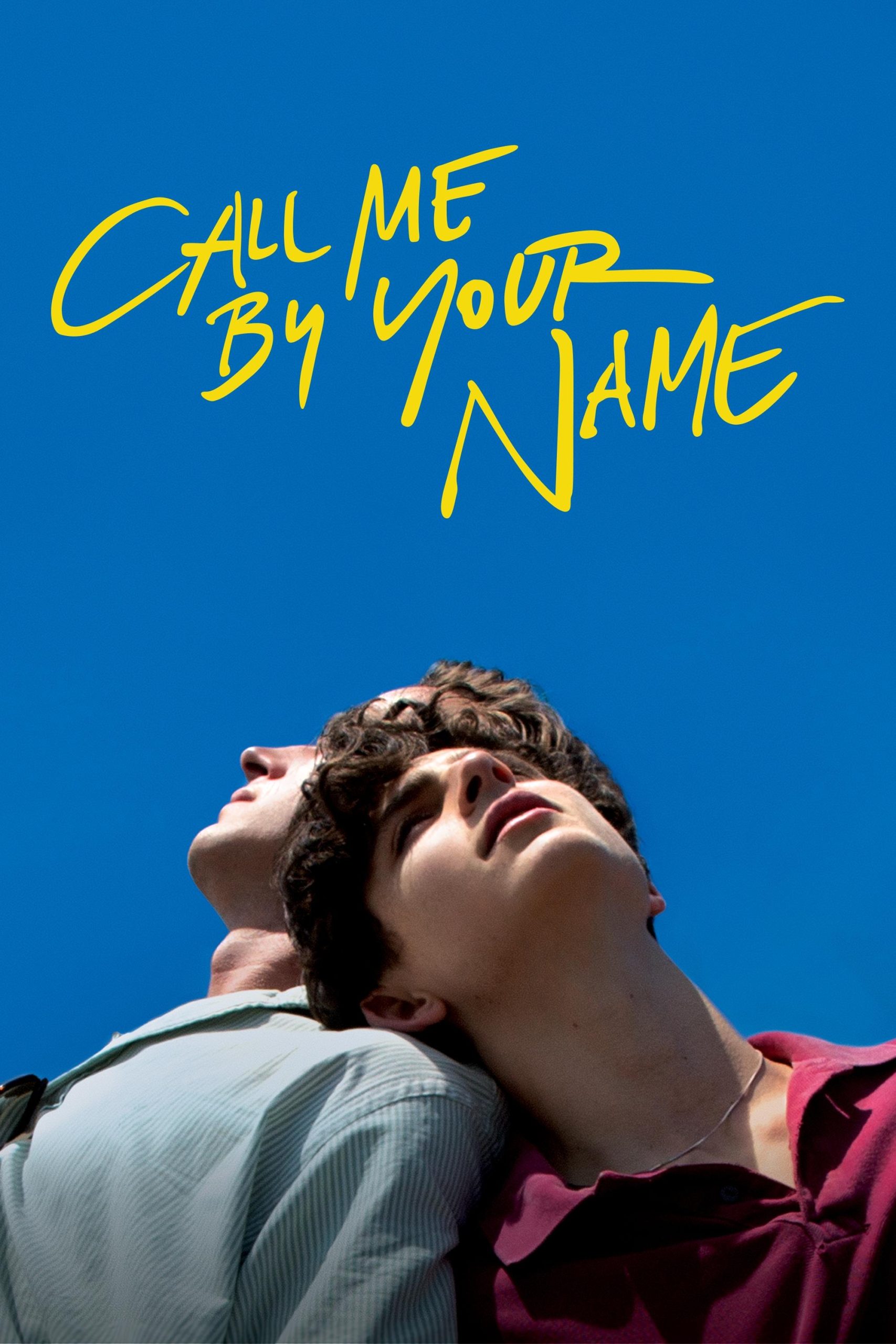
Plot Summary
As someone who first encountered Luca Guadagnino’s artful romance on a humid summer evening, I couldn’t help but sink right into the pathos and languor of “Call Me by Your Name.” The film unfolds in the golden haze of 1983 Northern Italy, centering around Elio, a precocious 17-year-old, and Oliver, an American academic who arrives to stay with Elio’s family. There’s a tender, incremental dance of attraction — a slow-burning mutual fascination that hovers between friendship, rivalry, and something unspoken. For me, the real energy of the story is in the spaces between these labels, in the way Guadagnino—an auteur of the sensual—lets silences, stolen glances, and the gentle hush of landscapes do much of the narrative heavy lifting.
The plot glides by with languid grace: I am drawn into Elio’s world of books, music, and familial warmth, disrupted by the electric presence of Oliver. Their interactions are fraught with tension, sometimes playful, at other times aching with longing. Because this film’s power lies so heavily in the gradual, wordless change of emotional tides, I’ll avoid major spoilers. Suffice it to say, the relationship that blooms during that summer marks both characters indelibly, and by the end, I found myself reflecting on how even fleeting love can feel epochal. If you plan to experience every emotional crescendo unspoiled, I advise skipping any detailed breakdowns—this is a film where discovery is integral to its impact.
Key Themes & Analysis
I walked away from “Call Me by Your Name” thinking less about the specifics of what happens and more about the palpable ache of first love. What distinguishes this film from so many conventional romance stories is its unsentimental honesty. Guadagnino, adapting André Aciman’s novel with a script by James Ivory, finds lyricism not in grand declarations, but in the halting, vulnerable navigation of desire, uncertainty, and transient joy. The film envelops you in sun-drenched landscapes, ripening peaches, and candle-lit dinners, using these visual cues to evoke the sensuality and impermanence of youth.
I found the cinematography (by Sayombhu Mukdeeprom) nothing short of extraordinary—the camera lingers, almost voyeuristic, on the minutiae of days: fingers touching fruit, water sluicing off skin, eyes darting with secret thoughts. These visual motifs are more than ambient flourishes; they reflect how love makes the everyday extraordinary. For me, each scene pulses with potential, heightened by the uncertainty of whether longing will ever be reciprocated.
As for the performances, Timothée Chalamet as Elio is a revelation. Every nervous tic and intellectual bravado is perfectly calibrated. I saw so much of adolescent uncertainty in his performance, most notably in his attempts to camouflage yearning behind wit. Armie Hammer, meanwhile, brings an easy athleticism and aloof charm to Oliver, but I’m struck by his gentleness—the way his character’s bravado masks his own insecurities. Their chemistry is electric, simmering with risk and restraint. Supporting them is Michael Stuhlbarg’s wonderfully warm turn as Elio’s father; his stirring speech late in the film stands as one of the movie’s emotional high points for me—a plea for empathy and self-acceptance that lingers long after the credits roll.
Beneath its love story, I see themes of identity in flux, the search for connection, and the pain of impermanence. The film, for me, interrogates the tension between what is said and unsaid, what can be lived openly versus what must be secret. I appreciate how this is intertwined with the particular context of 1980s Italy, a place adrift from the culture wars raging elsewhere, yet still informed by the silence that often shrouded queer love.
Guadagnino’s direction shies away from melodrama, instead embracing a languorous, lived-in realism. He’s confident enough to let scenes breathe. Rather than tell me what to feel, the film invites me to pay attention; it’s a rare trust that not every filmmaker extends to their audience. I’ve rarely encountered a film so attuned to the in-betweens of life—to moments when love is both overwhelming and fleeting, etched out in the fleeting shimmer of an Italian summer.
My Thoughts on the Historical & Social Context
For me, the context of the film’s production in the late 2010s is inseparable from its story and themes. When “Call Me by Your Name” premiered in 2017, the world was in the throes of broader conversations about LGBTQ+ rights, visibility, and the mainstreaming of queer stories. I saw this film not just as a period piece, but as a response to an era increasingly interested in stories that reach beyond old stereotypes. There’s an authenticity here—a refusal to let tragedy define queer love stories—that felt especially urgent at a time when so many films still shrouded same-sex romance in shame or secrecy.
What matters most to me is how the film illuminates the joy, not just the hardship, of queer love. While the 1980s backdrop could have easily become a stage for trauma, Guadagnino treats his characters with compassion and grace, letting them exist within their own universe where love is possible, if complicated. This felt like a vital counterweight to decades of cinema that rarely gave queer characters a chance at happiness, even for a moment.
Yet, I can’t help but reflect on how the film’s emotional delicacy also speaks to larger social currents: the struggle for authenticity, the risks of vulnerability, and the pressure to conform. When I watch Elio and Oliver’s furtive connection, I see echoes of real-world stories: young people facing families and societies that may or may not accept them. The film avoids explicit references to politics, but I feel its quiet defiance—its insistence that queer love is just as worthy of lyricism and beauty as any other story—remains a powerful act, both at the time of release and now as conversations about identity continue to evolve.
Personally, I found the film’s historical framing particularly poignant given the cyclical nature of societal acceptance. Its themes feel universal—who among us hasn’t felt that weight of wanting, or the sting of unrealized possibilities? That, to me, explains why “Call Me by Your Name” resonated so deeply, and why it continues to feel current even as years pass.
Fact Check: Behind the Scenes & Real History
As someone obsessed with both cinematic craft and historical context, I dug deep into the making of “Call Me by Your Name,” and a few details truly fascinated me. First, the casting of Elio reportedly went through numerous iterations before Timothée Chalamet was chosen. I found it remarkable that Chalamet spent months learning to play piano and guitar for his role; there’s real virtuosity in those scenes, and I can say with certainty that the result is a level of authenticity rarely seen in coming-of-age narratives.
Second, I learned that the Italian setting was chosen with obsessive care by Guadagnino, who grew up in the region. The village of Crema, where most filming occurred, wasn’t just beautiful—it was also emblematic of a broader European languor. I appreciate that the film’s lush, unhurried pace mirrors the rhythms of rural Italy in the 1980s, lending credibility to the sense of time suspended. The hilltop villa, antique bicycles, and endless orchards—these are not mere backdrop, but active elements in the evocation of memory and desire.
I’m particularly intrigued by the film’s approach to historical accuracy. While it nods to the AIDS crisis era, it doesn’t foreground this element, which sparked debate among viewers and critics. Guadagnino, in interviews, explained that he wanted to preserve a sense of possibility unfettered by the period’s looming tragedies. For me, that choice underlines the intention to allow queer characters to experience love and loss without inevitable catastrophe—a rare, and to my mind, deliberate divergence from both historical reality and cinematic convention.
Why You Should Watch It
- The lush, immersive atmosphere of 1980s Italy transports you straight into a world of summer longing and discovery. If you crave films that evoke a time and place with exquisite detail, this one delivers in every frame.
- Astoundingly nuanced performances, especially from Timothée Chalamet, make the exploration of first love feel raw, authentic, and heartbreakingly true.
- A rare and deeply felt portrait of queer romance that both celebrates and mourns the impermanence of youth, offering a respect and intimacy seldom seen in the genre.
Review Conclusion
Reflecting on everything I’ve experienced in “Call Me by Your Name,” I can say this film left an indelible mark on my cinematic consciousness. It’s not just the love story that lingered with me, but the texture of longing, the honesty in every gesture, and the courage it takes to remember and embrace even love that must eventually end. Guadagnino’s vision is delicately rendered, but never fragile—a dazzling ode to coming of age, desire, and the echoes those moments leave behind. I’d give it a resounding 4.5 out of 5 stars. It’s a film I return to on the rare occasions I want to be reminded of how art can wrap the ache of memory in sunlight.
Related Reviews
- “Portrait of a Lady on Fire” – I found Céline Sciamma’s film to be a kindred spirit in its poetic rendering of forbidden love and the intense, secret world two people can create together. Like “Call Me by Your Name,” it thrives on lingered glances, unspoken longing, and a painterly command of color and light.
- “Moonlight” – Barry Jenkins’ masterpiece, to me, stands as one of the most emotionally intelligent explorations of sexuality and self-acceptance. Both films treat queer love stories with enormous tenderness and focus on the tension between who we are and what the world expects us to be.
- “God’s Own Country” – For viewers drawn to the collision of landscape and character, Francis Lee’s rural romance offers a similarly tactile, grounded approach to first love, but with its own rugged British flavor. I was struck by how personal growth emerges through intimacy and vulnerability in both films.
- “Summer of 85” – François Ozon’s bittersweet take on teen romance in the sun-drenched French seaside is another example where the ephemeral nature of youth and love is front and center. I recommend it for anyone who, like me, finds themselves haunted by the nostalgia and melancholy that “Call Me by Your Name” evokes so powerfully.
If you want to explore this film beyond basic facts, you may also be interested in how modern audiences respond to it today or whether its story was inspired by real events.
🎬 Check out today's best-selling movies on Amazon!
View Deals on Amazon