Plot Summary
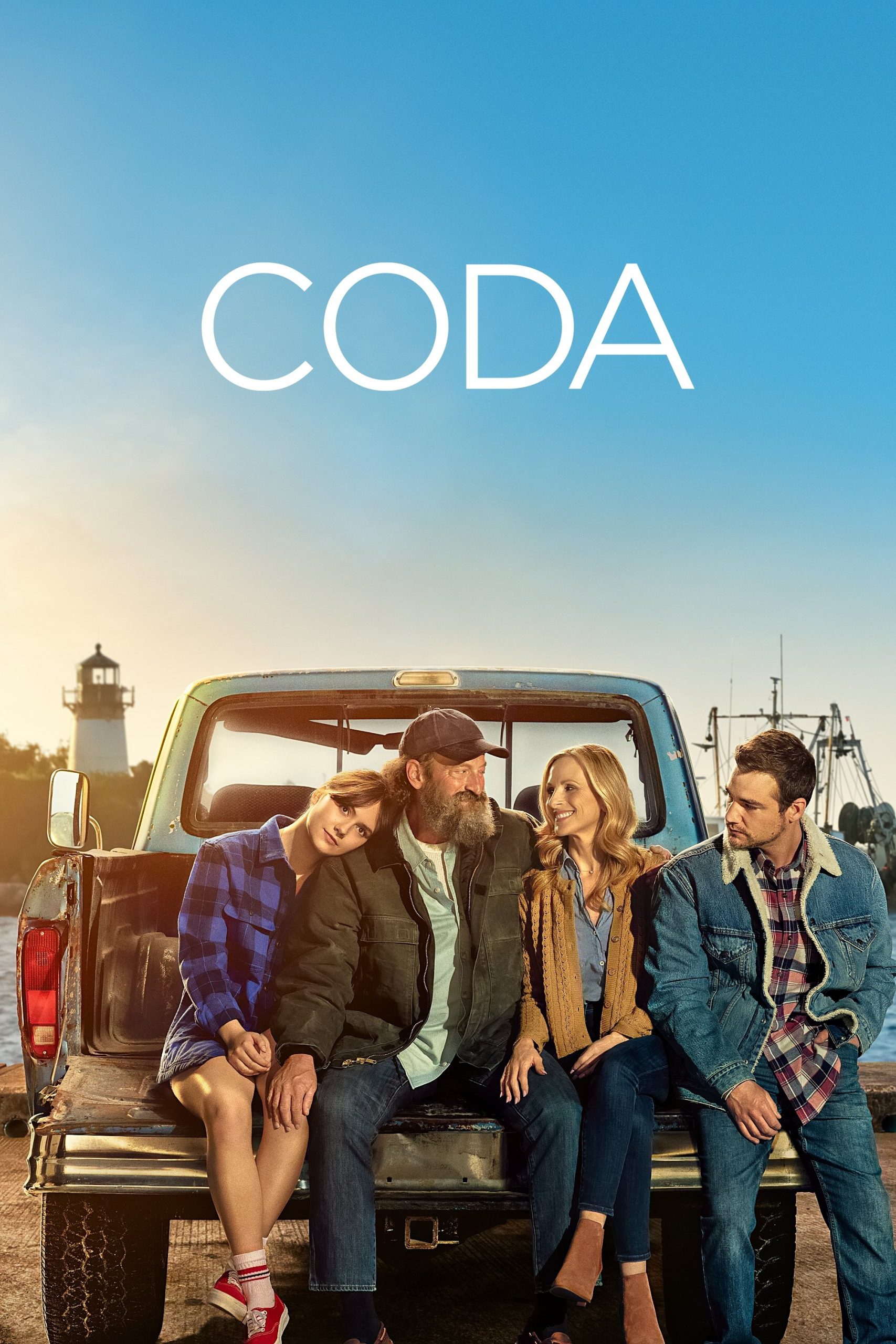
Right from the start, I was drawn into the world of CODA, a film directed by Siân Heder that instantly felt both intimate and universal. As someone who often seeks out stories that blend coming-of-age tropes with deeper explorations of identity, I found this drama’s premise especially compelling: Ruby Rossi, the only hearing member of a deaf family, must find her place between two worlds. While avoiding overt spoilers, what stands out to me in this narrative is how Ruby’s daily routine involves juggling the unique responsibility she feels toward her family’s fishing business and her own evolving dreams of pursuing music.
The story invites us into the family’s bustling life in a small Massachusetts fishing town. I quickly got a sense of Ruby’s all-consuming role as interpreter for her parents and brother, which impacts every social and academic decision in her life. There’s a natural tension woven throughout these scenes—the push and pull between familial obligation and individual self-expression. Moments where Ruby steps into her high school choir, guided by a charismatic music teacher, offer a breath of fresh air, and I loved how warmly these sequences were filmed. Where most coming-of-age films might stop at simple generational conflict, CODA immerses us in a much richer tapestry—Ruby’s struggle is not just about seeking her voice, but also about negotiating her place in both the hearing and Deaf communities.
While I’m careful not to reveal pivotal plot twists, I will mention that the film builds toward a showdown between commitment to family and the pursuit of one’s own passions, a decision that most viewers—myself included—will find deeply resonant. It’s the kind of story that lingers, making you ponder what you would do in Ruby’s shoes. The emotional stakes feel real and earned, not simply manufactured for the sake of melodrama.
Key Themes & Analysis
What I found especially powerful about CODA is its exploration of communication, identity, and the complexity of love within families. From my experience watching countless family dramas, few have handled the mechanics of silence as poignantly as this one. The quiet, dialogue-free scenes between Ruby and her parents speak volumes—sometimes more than words ever could. The use of silence is not just a stylistic device here; it becomes a language of its own. As I watched, it struck me how the film refuses to position deafness as a barrier but instead treats it as another facet of life, rich with its own textures and emotional language.
From a cinematography standpoint, the way silence and sound are balanced in CODA gave me a visceral sense of Ruby’s inner world. I noticed how scenes would momentarily cut out all background noise, dropping me directly into her family’s experience. This directorial choice by Siân Heder is both innovative and deeply empathetic. It’s a subtle but significant way of bridging the audience’s understanding of two different cultures living side by side.
I was particularly moved by Marlee Matlin’s performance as Ruby’s mother, Jackie. There’s a warmth and frankness to her portrayal that reminded me of my own parents—her skepticism about Ruby’s singing dreams feeling both protective and loving. Troy Kotsur, as the father, Frank, steals every scene with his irreverent humor and raw vulnerability—his combination of physical comedy and heartbreaking honesty is unlike anything I’ve experienced in recent American cinema. Emilia Jones as Ruby is magnetic, delivering a performance filled with longing, doubt, and the fierce desire to be heard. The chemistry between the entire cast is palpable, and it roots the film in something that feels recognizably real.
Thematically, the film makes me reflect on what it really means to belong. The Rossis aren’t presented as a family in need of saving; instead, they’re shown as resourceful, funny, and fiercely devoted to one another. Yet, Ruby’s predicament—being both within and outside—echoes larger questions about assimilation, cultural identity, and intergenerational tension. I was left thinking about how many of us carry the burden of being the “bridge” between two different worlds, whether they are cultural, linguistic, or emotional.
Another nuance I appreciate is the film’s treatment of music as liberation. Ruby’s singing isn’t just a hobby; it’s a lifeline. The choir scenes exude an infectious joy, yet they never feel isolated from Ruby’s reality. I found myself cheering for her in the rehearsal spaces, knowing how much these moments cost and mean.
CODA ultimately manages to fold broad, universal questions—about maturity, sacrifice, and personal ambition—into the specifics of one family’s life, and that’s what makes it so moving for me.
My Thoughts on the Historical & Social Context
Seeing CODA released in 2021 felt especially timely to me. This was a period when global conversations about representation and authenticity in film were gaining real traction. The film’s focus on a Deaf family portrayed by Deaf actors is monumental, and I felt personally affirmed by this shift toward genuine inclusion. For years, Hollywood has too often sidelined voices from marginalized communities or rendered them through inauthentic performances. That’s something I have always found deeply frustrating, and it heightened my appreciation for the choices made here.
I was also struck by how the narrative resonated in the throes of the COVID-19 pandemic. During a time when many of us were forced to reflect on the meaning of family and the sacrifices we make for one another, the film’s story about interconnectedness and self-discovery hit particularly hard. It’s apparent to me that CODA responds to an era of questioning the status quo—its heart lies in showing what happens when marginalized voices refuse to remain backgrounds in their own stories.
What makes it still feel relevant to me today is the idea of communication beyond words—the truth that understanding is fundamentally about empathy and intent, not just language. The film also spotlights systemic challenges facing working-class families in small-town America. As inflation and economic uncertainty persist, I couldn’t help but see parallels between the Rossis’ struggles and those of countless real families navigating labor, identity, and survival.
This film matters, both as an artifact of its time and as a living work that continues to inspire dialogue about who gets to speak and be heard in our culture. I’m convinced it will be looked back upon as a watershed moment for Deaf representation in mainstream cinema.
Fact Check: Behind the Scenes & Real History
Diving into the history of CODA’s production brought me even closer to what makes it special. One standout fact is that the film is actually a remake of the 2014 French film La Famille Bélier. However, what I find fascinating is how director Siân Heder insisted on recasting all the Deaf roles with Deaf actors—a groundbreaking choice, considering Hollywood’s tendency to overlook true representation. This was not just a symbolic gesture but a fundamental shift in how these stories should be told.
Another intriguing element I uncovered is that Emilia Jones, who plays Ruby, spent months learning American Sign Language (ASL) and training her singing voice to authentically portray the role. She reportedly practiced ASL every day and also worked alongside her co-stars to ensure her interactions were natural. I was surprised to discover that she even worked on a real fishing trawler to prepare—an immersion that’s evident in the realism of the film’s early morning, salt-laden scenes. Her seamless integration into this environment speaks to the cast and crew’s commitment to authenticity.
As for the film’s representation of deafness and hearing culture, I felt reassured by the producers consulting closely with members of the Deaf community. Unlike its French predecessor, which received some criticism for inaccuracies, CODA incorporates culturally rich nuances—such as the casual use of ASL slang or the depiction of everyday technology adaptations—that come directly from lived experiences. This resonates with my desire for cinema that feels both responsible and lived-in.
Why You Should Watch It
- Authentic representation of Deaf culture and family dynamics, brought to life by an outstanding Deaf cast.
- A moving exploration of the universal struggle to balance personal ambition with loyalty to one’s roots.
- Innovative filmmaking choices—like the interplay of silence and sound—that invite you to experience the world in a new way.
Review Conclusion
Reflecting on my experience with CODA, I am left deeply moved by its blend of sincerity, warmth, and groundbreaking representation. Siân Heder and her cast create a tapestry of emotion and empathy that feels rare in modern cinema. This is a film that doesn’t just depict diversity—it embodies it, challenging the industry’s old habits with every heartfelt scene. If you’re searching for a film that is both uplifting and thought-provoking, I can say without hesitation: CODA is a must-see.
My personal rating: 4.5/5 stars.
Related Reviews
- Sound of Metal (2019): I highly recommend this drama for anyone gripped by stories about hearing loss and the power of sound and silence. Riz Ahmed’s portrayal of a musician losing his hearing is, like CODA, deeply empathetic and technically innovative. Both films probe what it truly means to listen—and to be heard.
- The Peanut Butter Falcon (2019): This film’s authentic embrace of marginalized voices, led by Zack Gottsagen as a young man with Down syndrome, reminds me of CODA’s sincere approach to representation. Its road-trip structure and familial warmth evoke the same grounded humanity.
- A Quiet Place (2018): While primarily a thriller, this film’s treatment of silence and sound, along with the casting of Deaf actress Millicent Simmonds, aligns with CODA’s focus on authentic communication under extraordinary circumstances.
- Lady Bird (2017): For viewers drawn to nuanced coming-of-age stories about identity, familial expectation, and self-discovery, Greta Gerwig’s film is a natural companion to CODA. Both films excel in balancing humor and heartbreak through unforgettable female leads.
If you want to explore this film beyond basic facts, you may also be interested in how modern audiences respond to it today or whether its story was inspired by real events.
🎬 Check out today's best-selling movies on Amazon!
View Deals on Amazon