
Plot Summary
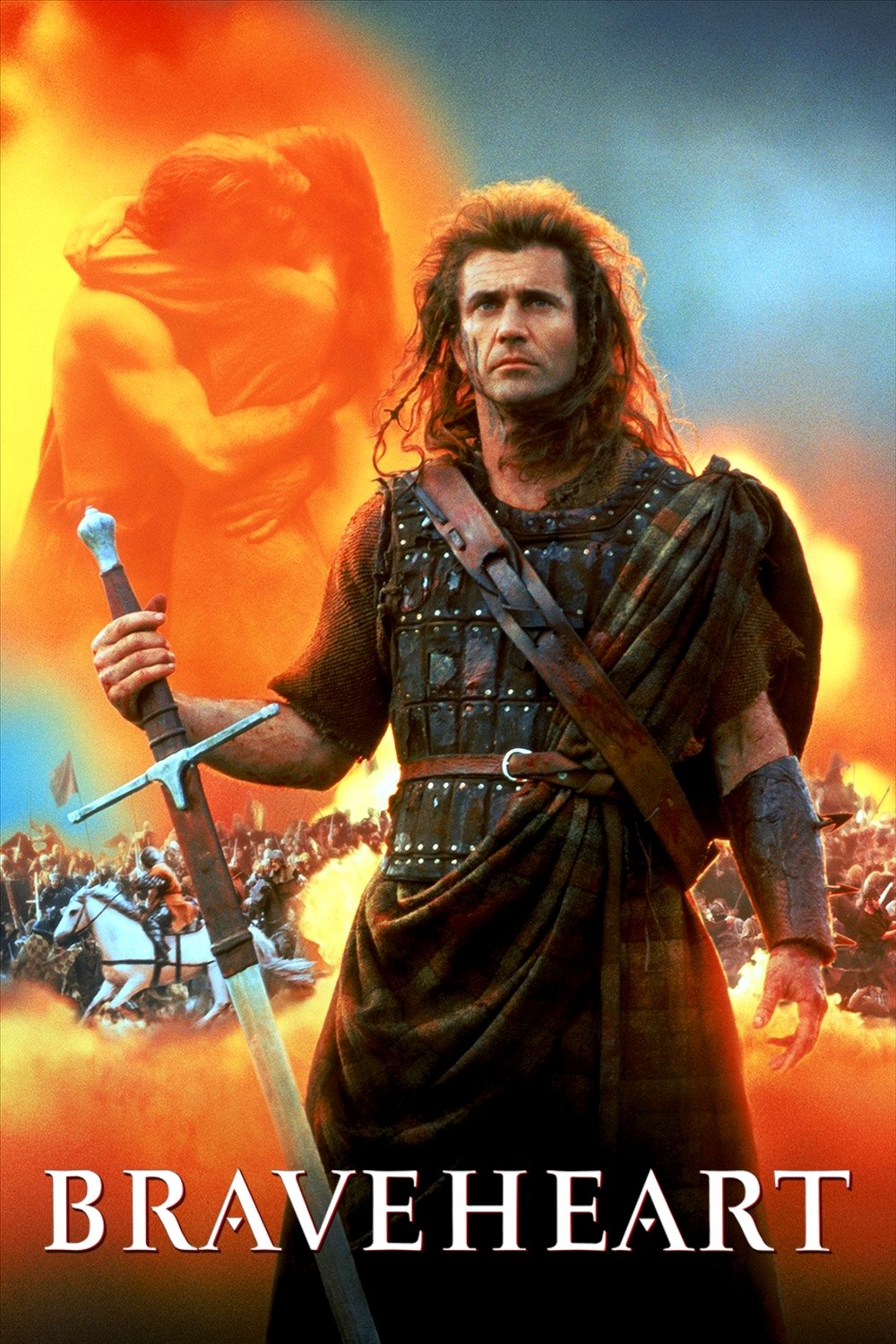
When I first experienced Braveheart, what drew me in wasn’t only the sweeping Scottish vistas or the threat of battle; it was a raw tale of resistance pulsating through every scene. Under the direction of Mel Gibson, who both stars and helms the film, I found myself swept along with William Wallace—a man propelled by love, loss, and a burning desire for freedom. The movie unfolds in late 13th-century Scotland, during a time when oppression was daily reality for its people. The story, while loosely based on real events, follows Wallace’s personal journey as an everyman thrust into conflict. After personal tragedy strikes, Wallace becomes a reluctant leader, transforming grief into action as he rallies his compatriots against England’s iron fist. Allies and enemies drift into his orbit, complicating his quest and adding depth to the tapestry of rebellion. I won’t spoil the most pivotal moments—the climactic sacrifices and twists deserve to hit with their intended emotional wallop. What I can share is that the stakes never feel generic; this is one of the rare war epics where each battle and decision stems from gut-deep emotion and stark, personal motivation. Even as history blurs into legend, I sense Wallace’s struggle isn’t so much about victories on a field as it is about the cost—and necessity—of fighting for dignity.
Key Themes & Analysis
With every rewatch, I find myself picking through layers of meaning woven by Gibson’s directorial choices. Freedom—yearned for, promised, denied, seized—stands at the center of everything. Yet, Braveheart never lets this idea feel empty or abstract. The script turns it into a living, breathing force impacting every character’s decisions. What strikes me is how the film pits collective aspiration against individual pain, and how heroism emerges not from innate greatness, but from personal heartbreak refracted outward.
Visually, I’m always blown away by the cinematography. John Toll’s lens turns Scotland into more than a picturesque backdrop; sweeping highland shots juxtapose the harshness of war with the land’s untamed beauty. These contrasts help ground the story, reminding me of what Wallace and his followers stand to lose or gain. When I talk about the direction, it’s impossible to ignore Gibson’s daring blend of brutality and intimacy. The battles are chaotic and relentless—blood-soaked, muddy, unglamorous. Yet in quieter moments, the tenderness between characters or the silence before a storm linger just as intensely.
The performances landed a deep mark with me. Mel Gibson, despite debates around historical accuracy or accent, radiates vulnerability beneath Wallace’s mythic charisma. There’s pain, awkwardness, and even moments of wavering certainty—qualities that make him feel real in a genre often obsessed with larger-than-life stoicism. Supporting actors like Sophie Marceau (Princess Isabelle) and Patrick McGoohan (King Edward I) elevate the stakes with nuanced portrayals: Marceau adds grace, while McGoohan brings a chilling cunning that makes English tyranny palpable. I was taken in by the loyalty and camaraderie among Wallace’s band of friends, played memorably by Brendan Gleeson and others. The sense of community, peppered with humor and grief, humanizes the conflict and gives the violence purpose beyond spectacle.
Beneath the surface, I recognize a meditation on the blurry lines between legend and leadership. Wallace’s transformation into a symbol—his ideals echoed across generations—raises classic questions: What makes a hero? Where is the tipping point between pursuing justice and spiraling into vengeance? Gibson frames these dilemmas with bold, often brutal flourishes, ensuring that moral ambiguity seeps into every confrontation. Scottish culture gets a romantic treatment, for better and worse. I see the film’s costumes, music (James Horner’s soaring score is unforgettable), and language as both homage and myth-making. This mythic construction may gloss over the historical record, but as a meditation on national identity and sacrifice, it’s gripping.
My Thoughts on the Cultural Impact & Legacy
Few films have left me as personally stirred—and sometimes divided—as Braveheart. Its arrival in 1995 was more than a box-office splash; it rewrote the rules of what an epic historical drama could achieve with raw emotion and unapologetic storytelling. Braveheart ignited conversations about freedom, nationalism, and cinematic spectacle that still ripple through film circles today. For me, its influence permeates not only subsequent medieval warfare films but also how popular culture mythologizes real figures. The ‘Braveheart speech’—Wallace’s impassioned charge to his men—has been parodied, quoted, and dissected to the point of becoming language shorthand for courageous, defiant protest.
On a personal curator level, I find the movie’s staying power fascinating. The film’s legacy influences how I evaluate later works tackling rebellion, the cost of leadership, or the price of defiance. When I watch directors like Ridley Scott (in Gladiator) or Peter Jackson (with The Lord of the Rings), I see the shadow of Braveheart’s commitment to heroism without guarantees of triumph or personal safety.The emotional vulnerability paired with sweeping action—this fusion raised the bar for character-driven epics and is a metric I keep returning to.
It resonates with me because it never pretends that history is clean or that ideals come cheap. The film’s mythic storytelling speaks both to what nations aspire to be and the messiness of what people actually do when driven to the brink. Personally, it forged my appreciation for movies that chase big questions while rooting them in lived, bruised experience. Braveheart endures not only as a spectacle but as a hard look in the mirror at why stories of resistance continue to matter, whether on ancient battlefields or in today’s fractured world.
Fascinating Behind-the-Scenes Facts
Exploring what went on behind the camera has only deepened my admiration. One fact that fascinates me is that many of the extras who played soldiers in the battle scenes were members of the Irish Army Reserve. Recruiting actual military personnel brought discipline, authenticity, and scale to the chaotic battle choreography—qualities I still notice every time the camera swoops through surging ranks of foot soldiers and cavalry. This detail, for me, transforms the largest battles from mere set pieces into kinetic, credible strategies of movement.
Another story I love involves technical daring: Mel Gibson insisted on performing several of his own stunts, including physically demanding fight sequences. Watching these moments, I sense an added layer of urgency and vulnerability—especially since some of these stunts were downright dangerous. The melee on horseback, for example, feels all the more immersive because the camera rarely cuts away from Gibson’s face. It’s visceral, tense, and, at times, nervy in a way that reminds me how real danger and commitment fuel authentic drama.
I’m also deeply intrigued by a creative choice made during the editing process. The production actually filmed an extended opening sequence focusing on William Wallace’s childhood, which was ultimately pared down. The decision to condense Wallace’s backstory sharpened the movie’s pacing, immediately plunging the viewer into the emotional heart of his adult decisions. That editorial risk paid off—delivering an origin story through glimpses and memory rather than ornate exposition helps the audience, myself included, feel the weight of old wounds without getting bogged down in minutia.
Why You Should Watch It
- Braveheart delivers a powerhouse combination of grand spectacle and genuine emotional stakes, ensuring that battles and speeches linger because you care deeply about the people at the center.
- The film’s exploration of freedom, sacrifice, and resistance remains profoundly relevant today; I see echoes of its moral arguments in everything from protest stories to modern debates over justice.
- Its mix of stunning cinematography, committed performances, and an unforgettable score make it a masterclass in immersive, emotional filmmaking, providing a template for anyone who loves watching stories about the collision of myth and reality.
Review Conclusion
Nothing about Braveheart feels like a safe or muted choice. Every time I revisit it, I’m struck by the conviction etched into every frame: the brutality of conflict, the longing for love lost, and the creative risks that make its legend endure. Wallace’s cry for freedom still echoes—raw, imperfect, and irresistibly human. For viewers seeking not just to be entertained but to be moved and challenged, this is a modern epic that rarely flinches from the hard questions. Personally, I rate it 4.5/5 stars: a towering, flawed achievement that refuses to fade into cliché.
Related Reviews
- Gladiator (2000) – I recommend this for its kinetic, emotionally charged battles and its exploration of one man’s struggle for dignity in the face of overwhelming adversity. Like Braveheart, it surrounds gritty warfare with deeply personal stakes and heartbreak.
- Kingdom of Heaven (2005) – This Ridley Scott epic delves into questions of faith, leadership, and the loneliness of command. Its attention to historical complexity, sweeping battle scenes, and conflicted heroes makes it a natural companion.
- The Last of the Mohicans (1992) – For those drawn to the blend of romance, violence, and the relentless pressure of history on individuals, this film’s themes and cinematography resonate with many of Braveheart’s strengths.
- The Outlaw King (2018) – A more recent Scottish epic, this Netflix film shares not just geographical DNA but also an intense interest in the price of resistance and the muddy realities of medieval conflict. It’s an instructive contrast and complement to Braveheart’s vision.
For readers looking to go deeper, these perspectives may help place the film in a broader context.
🎬 Check out today's best-selling movies on Amazon!
View Deals on Amazon