
Plot Summary
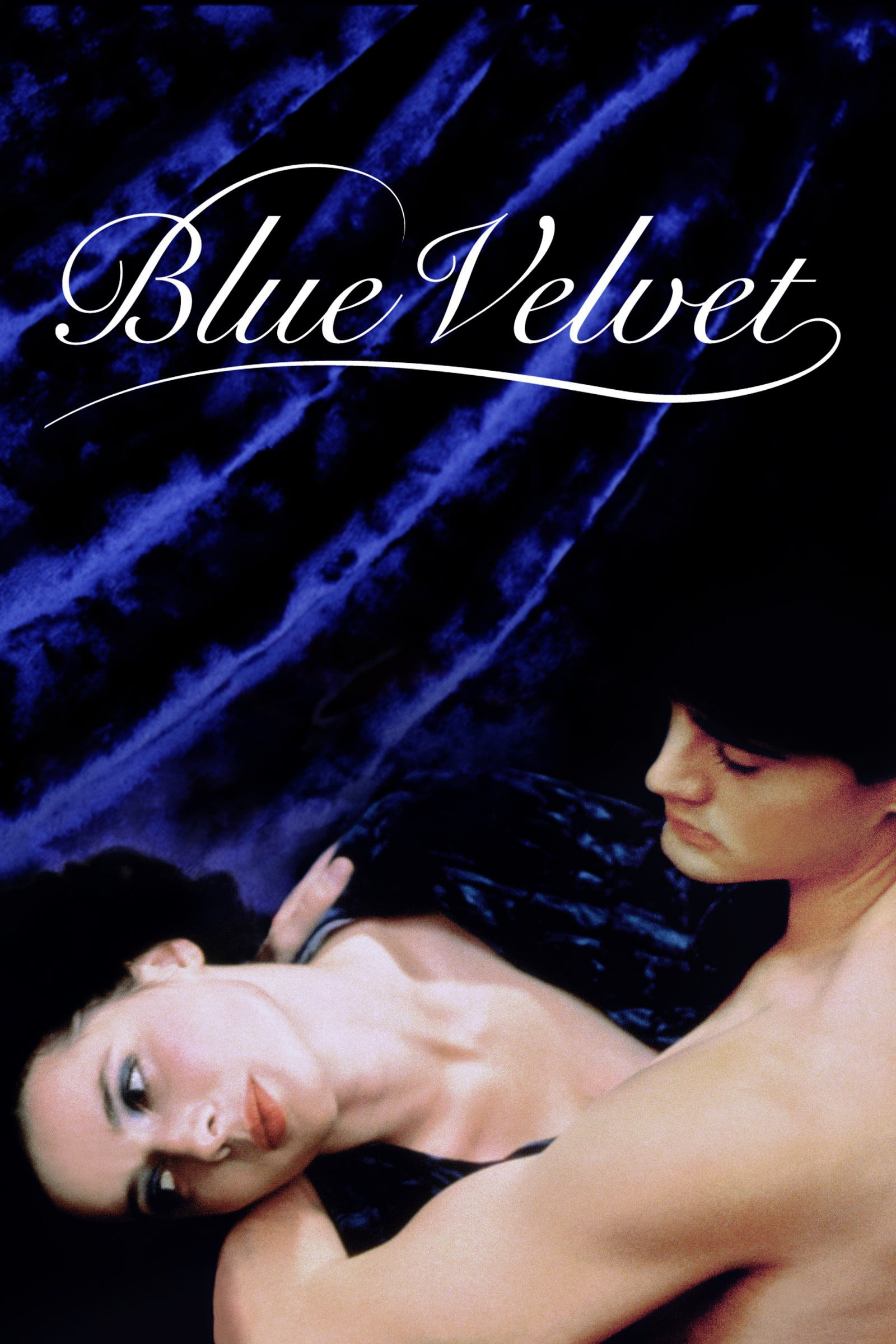
When I first sat down to watch David Lynch’s Blue Velvet, I quickly realized I was entering a world where reality blurs into darkness and suburban calm hides unspeakable secrets. The film introduces me to Jeffrey Beaumont, a seemingly ordinary college student thrust into his hometown’s underbelly after stumbling across a severed human ear in a field. This macabre discovery draws Jeffrey into a twisted investigation that soon entangles him with two unforgettable figures: the hypnotic lounge singer Dorothy Vallens and the violently unpredictable Frank Booth. The more Jeffrey seeks answers, the deeper I find myself pulled into a web of voyeurism, brutality, and desire that exists just beneath the picturesque veneer of small-town America.
As the narrative unfolds, I am struck by how Lynch teases out tension through every interaction, leading me slowly, almost hypnotically, from daylight innocence into nightmarish depravity. Even without revealing major spoilers, I can say that the plot’s tension is fueled by a constant sense of lurking danger, sexual obsession, and moral ambiguity. Lynch masterfully balances moments of quaint Americana with scenes so disturbing I find myself both entranced and unsettled, unable to look away even as the darkness deepens. The story toys with my sense of right and wrong, compelling me to question what lurks beneath the ordinary—and how easily it can be exposed.
Key Themes & Analysis
What always strikes me most about Blue Velvet is its fearless confrontation of duality—the clash between idyllic surfaces and sinister realities. Lynch doesn’t just set out to shock; he reveals the strange symmetry between beauty and horror, making me realize how thin the divide truly is. The film has a unique, lingering way of exposing the rotten undercurrents within small towns, posing questions about innocence lost, the seductive appeal of danger, and the corruptibility lurking in even those who seem ‘good’.
Cinematographically, I’m continually mesmerized by the film’s dreamlike precision. Cinematographer Frederick Elmes uses strong color palettes and stark lighting contrasts to highlight the tension between surface calm and inner chaos. Lynch’s camera lingers on ordinary objects—roses, fire trucks, suburban lawns—imbuing them with both nostalgic warmth and a sense of creeping dread. I admire how every shot feels deliberate, from the intrusive close-ups that let me share a character’s terror to the long, slow pans that build suspense until I can barely stand it.
Lynch’s direction is famously uncompromising, steering performances into that uncanny zone where everyday life becomes deeply strange. Kyle MacLachlan as Jeffrey embodies curiosity and uncertainty—the sense of a young man who wants to believe in goodness but can’t ignore the darkness he uncovers. Isabella Rossellini, as Dorothy Vallens, delivers a shattering performance that’s both erotic and tragic, constantly keeping me off-balance. Her portrayal of vulnerability is so raw it’s almost painful to watch. Yet for me, Dennis Hopper as Frank Booth is the revelation—an unhinged force of nature who embodies pure, nihilistic menace. Frank’s scenes often feel like they’re crossing into nightmare territory, and Hopper’s willingness to go to those depths brings the terror to life.
Beyond the imagery and performances, the film is layered with symbolism—voyeurism not just as a plot device, but as a metaphor for the audience’s own dark curiosity. I continually find myself implicated in Jeffrey’s quest, asking whether the real perversion lies in the characters, or in our desire as viewers to witness horror beneath the everyday.
Lynch also makes use of sound in ways I haven’t seen elsewhere. The score, with its haunting, hypnotic melodies, creates a strange blend of comfort and unease. He uses music and diegetic sound (like Dorothy singing “Blue Velvet”) to heighten emotional suspense and to play with my expectations of safety and danger.
My Thoughts on the Cultural Impact & Legacy
For me, few films have left such a lasting imprint on the cultural landscape as Blue Velvet. When I reflect on how it shaped modern cinema, I’m struck by how it challenged audiences to confront difficult truths. Lynch isn’t satisfied with mere entertainment—he forces us to acknowledge the chaos lurking beneath normalcy. The line “It’s a strange world, isn’t it?” has become iconic, expressing an entire philosophy about the evil and beauty coexisting all around us.
Personally, what resonates most with me is how Lynch redefined what ‘neo-noir’ could be—blending horror, mystery, eroticism, and satire into something truly sui generis. I credit Blue Velvet with influencing countless filmmakers, from the Coen Brothers to Paul Thomas Anderson and beyond. Its courage to mix genres and resist easy answers gave rise to a new kind of American filmmaking that trusts viewers to draw their own lines between attraction and repulsion, innocence and guilt.
As a curator and film analyst, I find Lynch’s willingness to look into the abyss—without blinking—genuinely inspiring. The film invites me to examine not just what happens in the shadows, but why I’m drawn to those shadows in the first place. Every rewatch reveals more: a sly humor, a vulnerability, a warning. Even decades after its release, I see the ripple effect in today’s TV and cinema. Psychologically rich, visually arresting, and unafraid to be difficult, Blue Velvet continues to serve as the ultimate litmus test: Are we ready to stare into the darkness and see ourselves staring back?
It matters to me because it refuses simplicity. There’s no neat moral, no tidy resolution. It makes me wrestle with discomfort, and in doing so, it continually elevates my expectations for what films—particularly within the mystery and thriller genres—are capable of achieving.
Fascinating Behind-the-Scenes Facts
Delving into the backstage world of Blue Velvet, I uncovered some stories that only deepen my appreciation. First, Dennis Hopper’s casting was nothing short of a risk. The studio notoriously hesitated about casting him as Frank Booth due to his reputation for volatility. What fascinates me is that Hopper himself lobbied for the part, reportedly telling Lynch, “I am Frank Booth”. His raw energy and personal demons helped fuel the terrifying authenticity behind the character.
Another detail that always stays with me is the physical toll filming took on Isabella Rossellini. Rossellini committed herself so intensely to Dorothy’s tortured emotional state that some of her scenes left her completely spent, both mentally and physically—so much so that she later described the filming as both “liberating and traumatic”. This behind-the-scenes vulnerability deeply informs her performance, and I sense the risk she took every time she appears on screen.
On the technical side, I’m always struck by how Lynch built the film’s unsettling soundscape. Sound designer Alan Splet—Lynch’s longtime collaborator—painstakingly layered distorted industrial noise and hyperreal found sounds throughout the mix, turning even the quietest scenes into moments of unspoken menace. When I catch the almost subliminal background details—a creaking floorboard, a distant dog barking—they work on my subconscious, increasing my sense of unease long before danger appears on screen.
Why You Should Watch It
- It confronts hidden darkness with style and originality: Every viewing challenges me to see the world (and myself) in a new way, blending suspense and beauty unlike anything else I’ve experienced.
- Standout performances push the limits of what film acting can achieve: Hopper’s Frank Booth and Rossellini’s Dorothy still haunt me. Their risks pay off in moments that remain burned into my memory.
- The film’s artistic ambition set a new standard for American cinema: Its mix of daring visuals, layered symbolism, and bold storytelling isn’t just influential—it’s essential viewing for anyone interested in the full potential of the medium.
Review Conclusion
As I reflect on my experiences revisiting Blue Velvet, I’m always reminded why I return to it, no matter how complicated or harrowing it can be. Lynch’s creation endures as a landmark of modern filmmaking, not for the comfort it provides, but for how it compels me to examine the world (and myself) with fresh, unblinking eyes. The craftsmanship, the risks, and the raw power of its most iconic moments never fade—even as society and cinema evolve, this film’s message grows only more urgent.
For all these reasons, I give Blue Velvet a star rating of 5/5. Its challenges are its strengths, and its deep, disturbing beauty is the very thing that makes it unforgettable.
Related Reviews
- Mulholland Drive: Like Blue Velvet, this later Lynch film blurs reality and dream logic, inviting me to lose myself in overlapping mysteries and surreal performances. Both challenge narrative conventions with breathtaking visuals.
- Chinatown: Roman Polanski’s neo-noir thriller unearths the corruption lurking beneath sun-drenched cityscapes, echoing the way Lynch exposes rot beneath the surface. Its moral ambiguity and complex characters make it a natural companion piece.
- Don’t Look Now: Nicolas Roeg’s psychological thriller, with its haunting visuals and pervasive sense of dread, aligns perfectly with Blue Velvet’s exploration of grief, obsession, and the unknown hiding in plain sight.
For readers looking to go deeper, these perspectives may help place the film in a broader context.
🎬 Check out today's best-selling movies on Amazon!
View Deals on Amazon