
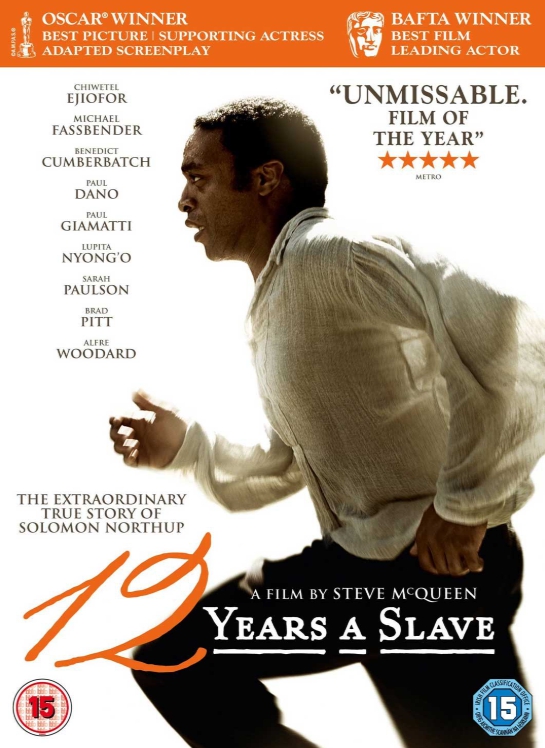
Few films in recent memory have struck audiences with the unrelenting force and emotional honesty exhibited by “12 Years a Slave.” Directed by Steve McQueen, a visionary British filmmaker known for tackling challenging subjects, this 2013 historical drama offers a harrowing look into America’s darkest past. As a meticulously crafted work of biography and human endurance, “12 Years a Slave” redefines the historical drama genre, inviting viewers to not only observe history but to feel the pulse of its tragedies and triumphs. Through its gripping narrative, unforgettable performances, and hauntingly beautiful visuals, the film stands as both a work of art and a call for remembrance.
Plot Summary
Set in the mid-19th century, “12 Years a Slave” follows the extraordinary true story of Solomon Northup, a free Black man from Saratoga Springs, New York. Skilled as a violinist and respected within his community, Solomon’s life takes a cruel turn when he is deceived by two men who offer him temporary employment in Washington, D.C. Without warning, Solomon is drugged and wakes up to find himself shackled and transported into the hellish world of slavery in the American South.
As the film unfolds, viewers witness Solomon’s struggle to retain his identity and hope in the face of relentless brutality. The narrative is rich with harrowing moments: the stripping away of his old life, the violence exacted by sadistic slave owner Edwin Epps, and the brief glimpses of compassion from others trapped within the same brutal system. Along the way, Solomon encounters a diverse cast of characters—other slaves, slave owners both cruel and conflicted, as well as individuals who offer fleeting glimpses of hope and solidarity.
Warning: Minor spoilers ahead. As years go by, Solomon’s desperation deepens, but so does his ingenuity and resolve. His journey is not just one of physical survival but of spiritual endurance, as he clings to the hope of freedom and reunion with his family against nearly impossible odds. The film charts his efforts to maintain dignity and defy dehumanization, using whatever resources and alliances he can muster within a system designed to break the human spirit.
Through evocative storytelling, “12 Years a Slave” draws viewers irrevocably into Solomon’s world, never flinching from the harsh injustices of slavery but equally highlighting moments of humanity and resistance. The film ultimately becomes more than a biography—it is a testament to the enduring strength of the human will.
Key Themes & Analysis
“12 Years a Slave” is a film that operates on many levels, using its narrative and technical elements to explore both individual and collective experiences of slavery in pre-Civil War America. The key themes are delivered with both subtlety and bluntness, ensuring the film’s message is both deeply personal and universally resonant. Director Steve McQueen’s approach is unvarnished and unrelenting, opting to capture hardship and violence without romanticism.
Endurance and Identity
Central to the film is the theme of identity—how it is preserved, distorted, or erased under extreme circumstances. Solomon Northup’s transformation from a free man to a slave is both a personal and symbolic journey, representing the experience of millions who suffered under slavery. Despite the systematic efforts to strip him of his humanity, Solomon’s musical gift and intelligence serve as symbols of resilience and individual identity. The film deftly portrays the psychological torment inflicted by forced servitude, but never allows Solomon’s sense of self to be entirely extinguished.
Cinematic Realism and Visual Storytelling
Sean Bobbitt’s cinematography is a cornerstone of the film’s immersive atmosphere. Through his lens, the landscapes of Louisiana—lush yet ominous—become a character in themselves, juxtaposing the natural beauty of the setting with the ugliness of human cruelty. McQueen’s trademark long takes force viewers to dwell in the moment, making the pain and tension inescapable. The camera lingers, neither offering comfort nor allowing easy escape, a technique that intensifies the film’s emotional power.
The direction is marked by restraint, avoiding melodrama in favor of authenticity. Scenes of violence are not exploited for shock value but presented with an honesty that demands viewers confront the full reality of slavery. Composer Hans Zimmer’s score underscores these moments: spare, mournful, and haunting, it serves as an emotional undercurrent rather than an overpowering presence.
Acting and Performances
The ensemble cast of “12 Years a Slave” delivers performances of extraordinary depth and nuance. Chiwetel Ejiofor anchors the film as Solomon Northup, rendering the character with quiet strength and emotional clarity. His eyes convey volumes—despair, hope, rage, and resilience—often with few words spoken. Lupita Nyong’o, in her Oscar-winning role as Patsey, provides a heart-wrenching depiction of suffering and endurance, her portrayal a masterclass in empathy and authenticity.
Michael Fassbender embodies the role of Edwin Epps with chilling menace, bringing dimension to a character that could have easily been portrayed as a mere monster. Other notable performances include Sarah Paulson as Epps’s equally cruel wife, Benedict Cumberbatch as a more conflicted slave owner, and Alfre Woodard as a woman who has found a way to survive the system. Each actor brings humanity and gravitas to their roles, ensuring the portrait of slavery feels tragically complex rather than merely black and white.
Historical Truth and its Reverberations
Above all, “12 Years a Slave” is committed to historical truth. Based on Northup’s 1853 memoir, the film remains closely tied to real accounts, allowing the voices of those who lived through slavery to speak with authority and immediacy. McQueen does not shy away from the full horror of slavery, but neither does he allow the narrative to become solely about victimization. The agency, cunning, and resistance displayed by Solomon and his peers remind viewers that survival itself was a form of defiance.
Why You Should Watch It
- Stunning Performances and Powerful Storytelling: The film features powerhouse performances, especially by Chiwetel Ejiofor and Lupita Nyong’o, whose portrayals add profound authenticity to the true story of Solomon Northup.
- Unflinching Examination of American History: “12 Years a Slave” delves deeply into the brutal realities of slavery, offering necessary historical context and fostering empathy and understanding in ways few films achieve.
- Exquisite Direction and Cinematic Craft: Steve McQueen’s visionary directing style, combined with breathtaking cinematography and sound design, elevates this film into an unforgettable cinematic experience that lingers long after the credits roll.
Review Conclusion
“12 Years a Slave” is not merely a film; it is an experience that endures in memory and conscience. Director Steve McQueen, with the help of an exceptional cast and crew, has crafted a cinematic monument to human endurance, resilience, and the ongoing need to confront historical injustices. Every technical element—from the evocative cinematography and haunting score to the nuanced performances—works in harmony to transport viewers into an era many would rather forget, yet which must never be ignored.
While the film’s brutal honesty makes it a challenging watch, it is precisely this honesty that grants it such significance and impact. Rarely does a film combine artistry and social commentary with such precision, offering both a searing indictment of the past and a testament to the indomitable nature of the human spirit.
🎬 Check out today's best-selling movies on Amazon!
View Deals on Amazon