
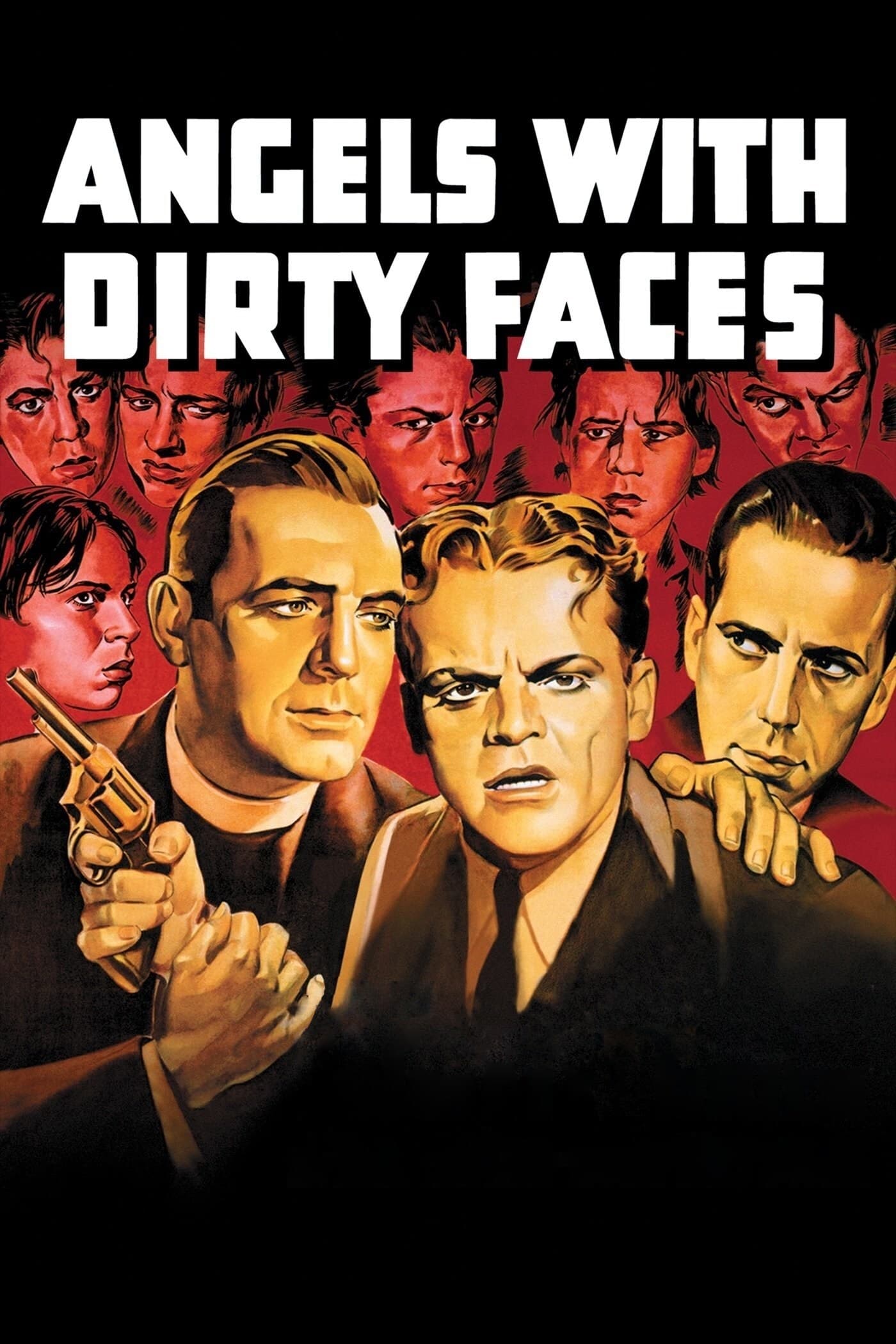
Few classic gangster dramas encapsulate both the raw energy of 1930s cinema and the eternal struggles of good versus evil as powerfully as “Angels with Dirty Faces.” Directed by Michael Curtiz, the film stands as a touchstone of the crime drama genre, introducing layers of moral complexity rarely seen at the time. It’s a movie that not only shapes the viewer’s understanding of crime and redemption but also exemplifies Hollywood’s Golden Era, featuring unforgettable performances and craftsmanship.
Plot Summary
Set against the gritty backdrop of a Depression-era New York, “Angels with Dirty Faces” unfolds around the intertwined lives of Rocky Sullivan and Jerry Connolly. Rocky, portrayed with electric charisma by James Cagney, is a hardened gangster freshly released from prison. Jerry Connolly (Pat O’Brien), his boyhood friend, has taken a starkly different path, becoming a devoted priest determined to rehabilitate the neighborhood’s wayward youth.
The film traces Rocky’s return to the familiar, crime-ridden streets and his magnetic influence over a group of local boys, known as the Dead End Kids. These street-smart youngsters idolize Rocky’s daring exploits, jeopardizing the values Jerry strives to instill. The tension escalates as Rocky becomes embroiled in the criminal enterprises of his former associates, while Jerry risks everything to protect the vulnerable youth from following in Rocky’s footsteps.
Spoiler warning: The film’s final act delivers an emotionally charged climax that tests the resolve and principles of both men. As Loyalties are put to the ultimate test, the line between heroism and notoriety blurs in a way that leaves a lasting impression long after the fade to black.
Key Themes & Analysis
“Angels with Dirty Faces” is a meditation on the nature of heroism and the profound impact of role models, especially within disadvantaged communities. The film explores the seductive allure of criminal success versus the difficult, often thankless, path of virtue. The central relationship between Rocky and Jerry serves as a microcosm for society’s ongoing battle between temptation and righteousness, offering no easy answers yet plenty of moral reflection.
Michael Curtiz crafts an urban environment teeming with desperation and opportunity. The cinematography, overseen by Sol Polito, builds an atmosphere of looming danger and hope through shadow-drenched alleyways, claustrophobic interiors, and dynamic street scenes. These visuals capture the tension and unpredictability pervading every character’s choices.
James Cagney’s portrayal of Rocky Sullivan is rightly celebrated as one of the most iconic performances in screen history. He masterfully balances bravado with vulnerability, capturing a man shaped by harsh circumstances yet still capable of surprising depth. Pat O’Brien’s Jerry, meanwhile, brings an understated intensity; his unwavering compassion and inner conflict make him as compelling as his criminal counterpart. The supporting cast—particularly the Dead End Kids—add authenticity and kinetic energy, illustrating the high stakes of influence on impressionable youth.
Curtiz’s direction ensures the film’s pacing never falters. He orchestrates high-stakes confrontations and quieter, introspective moments with equal skill. The script, co-written by John Wexley and Warren Duff, is taut and emotionally resonant, layering hardboiled dialogue with moments of real tenderness. The score, by Max Steiner, subtly heightens both tension and pathos, contributing to the film’s enduring impact.
Thematically, the film also delves into societal responsibility: how environment and circumstance shape individuals, and the ways both redemption and corruption emerge out of everyday choices. It questions whether true change is possible and at what cost integrity must be held. These questions remain as relevant today as they were in 1938.
Why You Should Watch It
- Timeless Moral Dilemma: The film’s central conflict between loyalty, redemption, and societal influence continues to resonate across generations.
- Iconic Performances: James Cagney and Pat O’Brien deliver landmark portrayals that helped define the crime drama genre.
- Historical Significance: The movie is a cornerstone of American cinema, reflecting both the technical achievements and cultural anxieties of its era.
Review Conclusion
“Angels with Dirty Faces” remains a riveting and emotionally complex piece of classic cinema. Its blend of gripping storytelling, unforgettable characters, and thematic depth secure its place as a must-watch for anyone interested in film history or the timeless dilemmas of human nature. Cagney’s legendary performance alone justifies viewing, but it’s the film’s thoughtful approach to redemption and responsibility that ensures its relevance. Though the world has changed since 1938, the questions it poses—and the emotions it stirs—are as potent as ever. This film earns a robust 4.5/5 stars.
If you want to explore this film beyond basic facts, you may also be interested in how modern audiences respond to it today or whether its story was inspired by real events.
🎬 Check out today's best-selling movies on Amazon!
View Deals on Amazon