
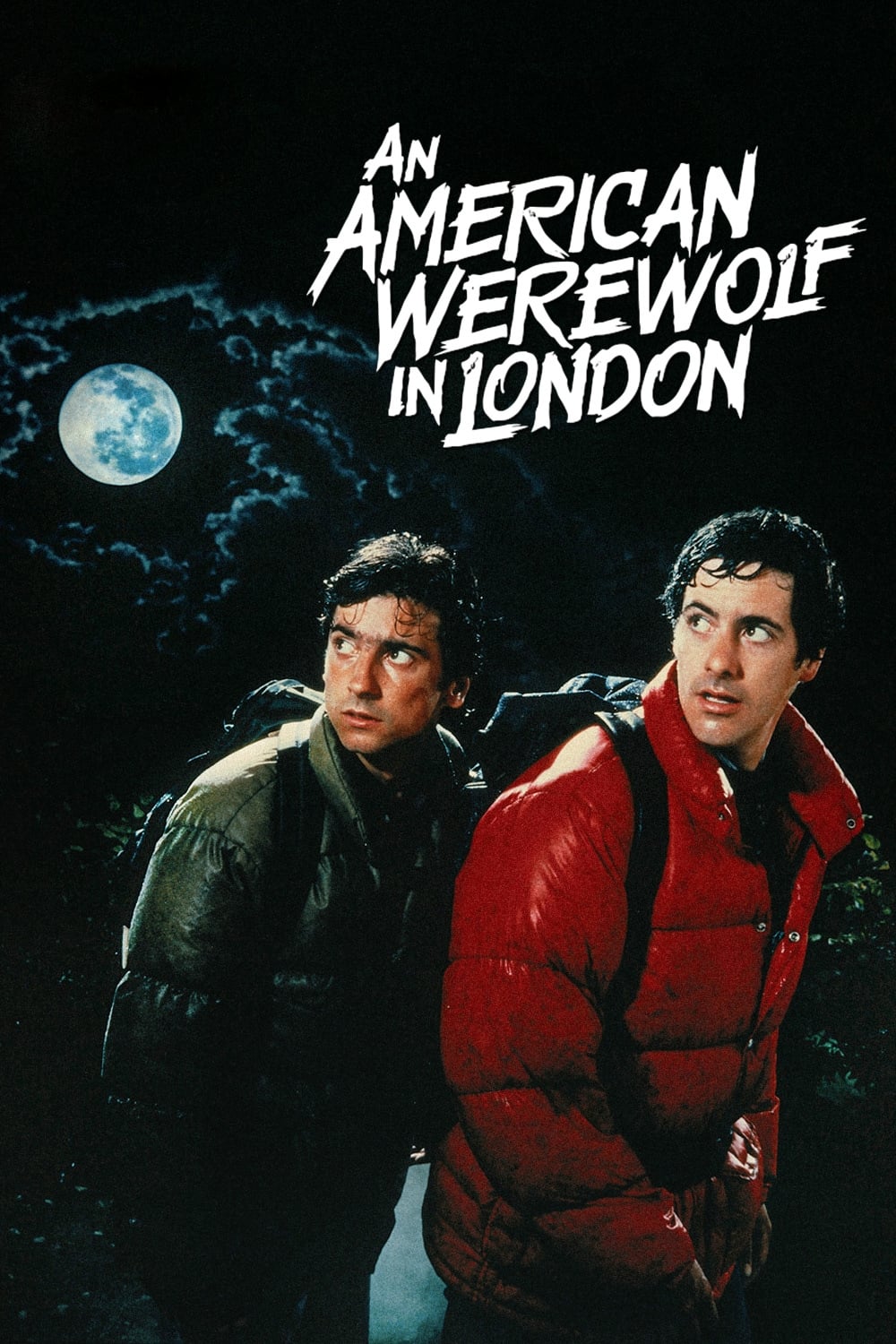
There are few movies that merge horror with pitch-black humor as seamlessly as John Landis’s standout 1981 film. A unique blend of folklore-inspired terror and wry, distinctly British wit, this genre-defining werewolf tale invites audiences to experience the uncanny like never before. Director Landis, best known for his work on classic comedies, here taps into the heart of horror—while refusing to take his eye off the gleam of dark comedy that defines the film’s personality. Rich in atmospheric chills and striking visuals, this movie continues to fascinate—and frighten—decades after its release, making it a must-watch for enthusiasts of both horror and comedy.
Plot Summary
The story kicks off with two American college students, David and Jack, backpacking across the desolate Yorkshire moors. Their easy camaraderie and playful banter immediately establish a relatable dynamic, drawing the audience into their journey. Seeking shelter from the cold, they stumble upon a remote and unfriendly pub named The Slaughtered Lamb. The locals, suspicious and mysterious, warn them to “stay on the road,” but fatefully, the pair wander off into the foggy night. What follows is a terrifying encounter with a supernatural creature that leaves one friend dead and the other clawed and traumatized.
From there, the film transitions to the bustling cityscape of London, where David recovers in a hospital, haunted by gruesome visions and unsettling dreams. As his physical wounds heal, strange symptoms begin to manifest. David is plagued by nightmares and cryptic warnings from apparitions, challenging his grip on reality. Meanwhile, a budding romance with his compassionate nurse, Alex, offers a brief respite from his deepening dread.
Persistently, David is warned about the mounting danger he poses to others as the next full moon approaches. The stakes escalate as he grapples with the horrifying possibility that he is transforming into a monster. As David struggles to discern truth from hallucination, the film deftly builds suspense toward its shocking climax. Spoiler Warning: The movie’s ending is best experienced firsthand, so this review will stop short of revealing its final twists.
Key Themes & Analysis
At its core, the film explores isolation and the struggle for self-control in the face of primal urges. Through David’s journey, the narrative delves into the alienation felt by outsiders—both literal (an American abroad) and metaphorical (a man fighting his own monstrous nature). The balance between horror and comedy is masterfully achieved, heightening both the laughs and the scares by allowing them to coexist in often the same scene. Tension releases into awkward laughter, only to snap back into horror moments later.
The film is well-known for its legendary practical effects, particularly the iconic werewolf transformation sequence, crafted by acclaimed makeup artist Rick Baker. This groundbreaking scene, shot in lingering detail, is still regarded as a benchmark for special effects in horror cinema. The seamless blend of innovative visuals and grotesque detail makes the transformation unsettling and oddly believable. Unlike the quick fade-to-black edits common at the time, Landis’s film forces viewers to witness every agonizing moment of change.
Cinematographer Robert Paynter enhances the story’s dual nature with a visual style that alternates between moonlit moors and the urban vibrancy of London. Wide, lonely landscapes emphasize vulnerability, while claustrophobic interiors heighten the sense of entrapment. The film’s striking use of lighting—sometimes warm and inviting, sometimes cold and clinical—underscores the protagonist’s emotional turbulence.
Landis’s direction brings out the strengths of his cast. David Naughton delivers a vulnerable and authentic performance as David, blending humor, terror, and heartbreak with nuance. Griffin Dunne provides memorable support as Jack, whose interactions with David navigate a fine line between comic relief and haunting tragedy. Jenny Agutter shines as Alex, imbuing her role with warmth and humanity that ground the supernatural plot. The solid ensemble amplifies the emotional stakes, making the story’s horror elements much more impactful.
One of the film’s most distinctive features is its soundtrack, loaded with well-known songs that reference the moon. This playful musical selection adds a layer of irony and levity, even in the film’s grimmest moments, and helps define its singular tone. The result is a work that feels both rooted in tradition and subversively modern—a horror-comedy with an identity all its own.
Why You Should Watch It
- Unrivaled Special Effects: The practical makeup and transformation effects remain unparalleled, setting a gold standard for creature features and earning the film an Academy Award.
- Masterful Tone Balance: Seamlessly mixing suspenseful horror with genuine humor, the movie offers a unique viewing experience for fans of both genres and first-time viewers alike.
- Lasting Legacy: Its influence echoes in decades of horror and comedy, inspiring filmmakers and beloved cult classics, while continuing to resonate with audiences worldwide.
Review Conclusion
John Landis’s 1981 werewolf epic is that rare breed of film that defies easy categorization. With its unforgettable blend of shocking horror, sly satire, and trailblazing visual effects, the movie delivers an experience that’s both entertaining and thought-provoking. Superb performances and meticulous craftsmanship keep the story anchored in authenticity, even as the fantastical elements spiral out of control. Whether you’re a die-hard horror aficionado, a fan of offbeat comedy, or simply someone seeking a completely original cinematic ride, this film more than earns its reputation as an essential watch.
Star Rating: 4.5/5
🎬 Check out today's best-selling movies on Amazon!
View Deals on Amazon