
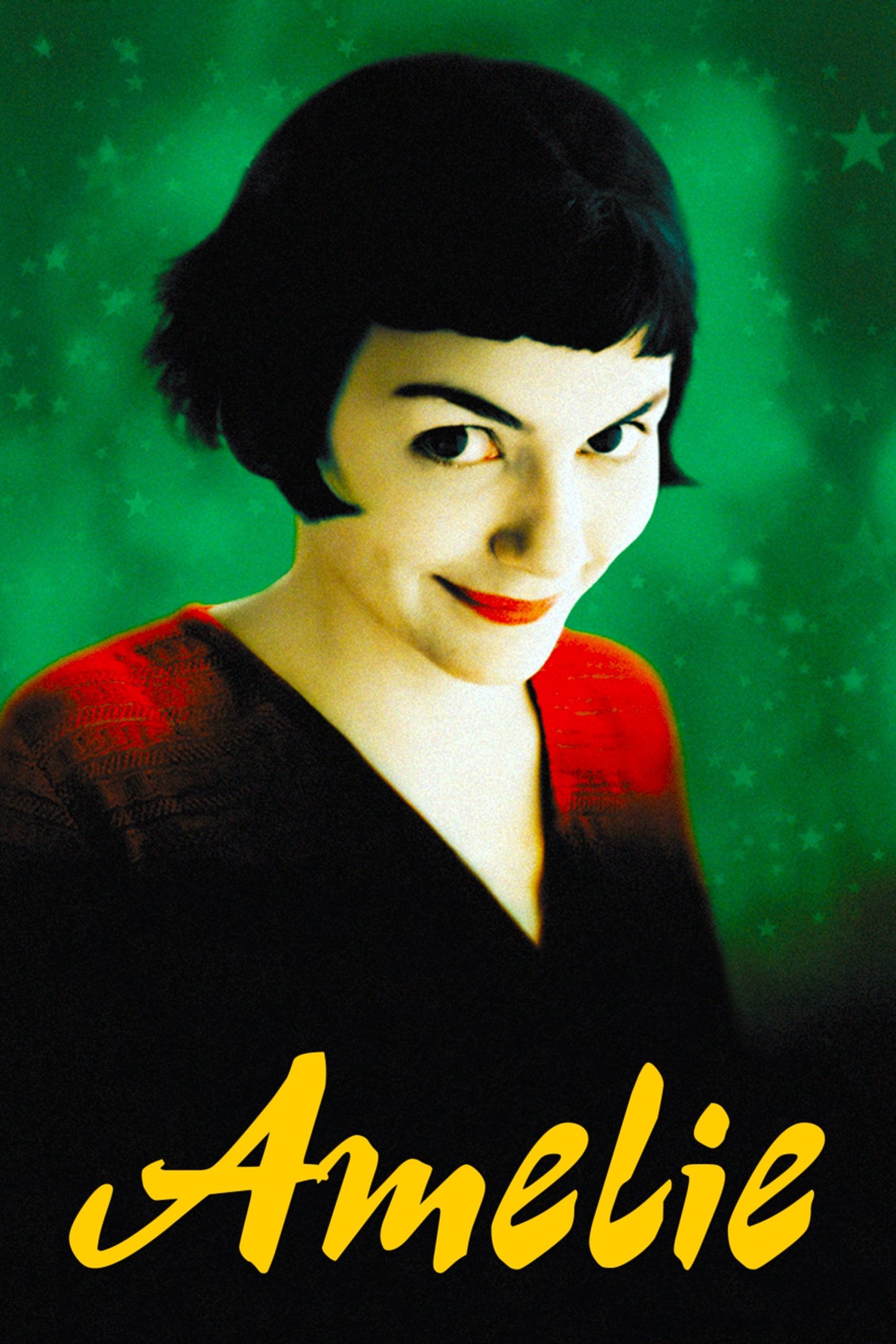
Few films have captured the imagination of audiences worldwide quite like Amélie, the iconic 2001 French film directed by Jean-Pierre Jeunet. Falling within the whimsically romantic comedy-drama genre, this movie stands out as a visual and emotional feast that explores the simple joys and intricacies of life in modern-day Paris. Through its playful storytelling, innovative cinematography, and endearing lead character, Amélie offers an enchanting journey into the heart of Montmartre, blending humor, compassion, and underlying melancholy into a cinematic experience that continues to resonate with viewers decades after its release.
Plot Summary
The story of Amélie centers on Amélie Poulain, a young woman with an extraordinary imagination and a penchant for observing the world around her. Raised in near isolation by her eccentric parents, Amélie grows up shy and sheltered, fostering a rich inner life as a coping mechanism for loneliness. After facing a significant life change as an adult, she sets out to subtly improve the lives of those in her quirky Parisian neighborhood.
Without revealing major spoilers, the film follows Amélie as she embarks on a mission to anonymously perform good deeds for her eccentric neighbors and unsuspecting strangers. Along the way, she orchestrates playful schemes to reunite lovers, heal old wounds, and encourage those around her to find happiness. Yet, as Amélie focuses on the joy of others, she struggles to address her own longing for connection and love—particularly after she becomes fascinated by a mysterious young man who collects discarded photo booth pictures.
The narrative is woven together through a series of charming vignettes, each showcasing the offbeat personalities and idiosyncrasies of the inhabitants of Montmartre. Surreal cutaways, whimsical narration, and imaginative visual effects guide viewers through Amélie’s thoughts, memories, and flights of fancy, all set to an enchanting score that further envelops the audience in the film’s magical realism. At its core, the film tactfully navigates the balance between escapism and the bittersweet realities of life, inviting viewers to rediscover the little pleasures hidden in everyday moments.
Key Themes & Analysis
One of the most significant themes in Amélie is the beauty of small acts of kindness. Rather than focusing on grand gestures, the film celebrates the transformative potential of tiny, thoughtful deeds that can ripple through people’s lives. These acts not only foster happiness for the recipients but also become a form of self-expression and healing for Amélie herself. The underlying message is clear: even the quietest individuals can ignite meaningful change in their communities.
The idea of loneliness, connection, and the search for belonging pervades the entire film. Amélie’s journey is not just about bringing joy to others—it is equally about her attempt to break through the invisible walls that separate her from true intimacy. This theme is further mirrored by the colorful ensemble cast of supporting characters, each grappling with their personal solitude and yearning for understanding.
Visually, Amélie distinguishes itself through Jeunet’s highly stylized approach to storytelling. The film is drenched in a vivid color palette—especially greens, reds, and golds—that crafts a heightened sense of reality, turning Montmartre into a character of its own. The cinematography by Bruno Delbonnel often employs delicate tracking shots, playful close-ups, and imaginative framing, reflecting both the whimsy and poignancy of Amélie’s world. These visual flourishes enrich the narrative with layers of emotion, humor, and wonder.
Jean-Pierre Jeunet’s direction masterfully balances quirky humor with moments of reflective melancholy, ensuring the film remains grounded despite its flights of fancy. He employs a tight script and cleverly structured narrative, guiding viewers without over-explaining. His attention to the little details—quirks, habits, and peculiarities—makes every scene bristle with life and authenticity.
Audrey Tautou’s performance as Amélie Poulain is central to the film’s enduring appeal. Her subtle expressions, understated comic timing, and infectious curiosity create a protagonist who is oddly relatable despite her eccentricities. The supporting cast, including Mathieu Kassovitz as her would-be suitor, brings depth and charm, adding layers to the tapestry of the story. Each actor contributes to the sense of community, elevating the film’s exploration of interconnectedness and individuality.
Why You Should Watch It
- Inventive Storytelling and Visual Style: The film’s vibrant cinematography and imaginative visual cues set it apart, creating a distinctive universe that is both magical and rooted in real emotions.
- Rich, Relatable Themes: At heart, Amélie tackles universal topics such as loneliness, kindness, and the search for belonging—making its message accessible and moving for audiences everywhere.
- Unforgettable Characters: From Amélie’s endearing quirks to the vivid personalities of her neighbors, each character is thoughtfully crafted and brings unique charm and humor to the narrative.
Review Conclusion
Amélie remains a modern classic that succeeds at blending the enchanting, everyday details of life with a deeply resonant story about love, hope, and human connection. Jean-Pierre Jeunet’s inventive direction, coupled with Audrey Tautou’s luminous performance, creates a cinematic world that is irresistible and unforgettable. For fans of romantic comedies, arthouse films, or anyone seeking a feel-good yet introspective movie experience, Amélie offers a delightful escape into the streets of Paris and the inner workings of a quietly extraordinary soul. Thoughtful, visually stunning, and emotionally uplifting, it earns a well-deserved 4.5/5 stars.
🎬 Check out today's best-selling movies on Amazon!
View Deals on Amazon