
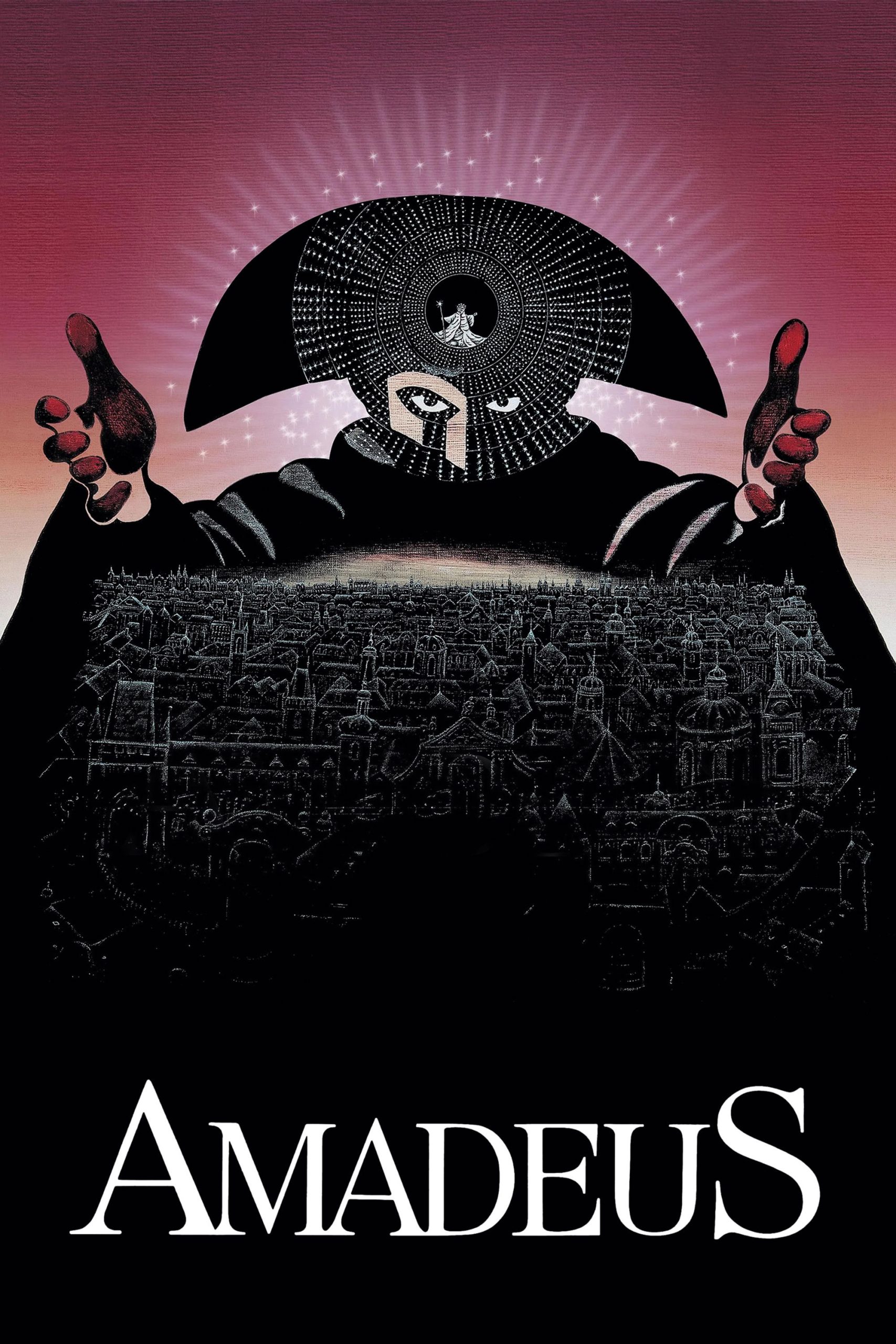
Few films have managed to capture the volatile genius of art and the complexities of human envy as eloquently as Milos Forman’s Amadeus, the 1984 cinematic treasure that blurs the lines between historical drama and psychological thriller. Seamlessly blending opulent period detail with innovative narrative choices, Forman—an Academy Award-winning director—reimagines the life and legacy of classical composer Wolfgang Amadeus Mozart. Through the lens of drama and biography, the film peels back the gilded curtain on both the illustrious and the turbulent moments that defined one of history’s greatest musical minds.
Plot Summary
Set against the rich backdrop of late 18th-century Vienna, the film invites viewers into a world alive with the fervor of music, courtly intrigue, and ecclesiastical politics. The story unfolds primarily through the recollections of Antonio Salieri, Mozart’s contemporary and self-proclaimed rival. As Salieri confesses to a priest from his place in an infirmary, Amadeus uses this framing device to take the audience on a journey through Mozart’s meteoric rise and the often rocky reception to his unorthodox brilliance.
Upon his arrival in Vienna, Mozart quickly scandalizes the staid musical establishment with his irreverence, love for humor, and, most importantly, his genre-redefining compositions. Salieri, a respected but conventional composer, is at once captivated and tormented by Mozart’s effortless genius. While the court admires Mozart’s talents, his eccentric personality and disregard for decorum breed both admiration and resentment. The movie’s narrative alternates between exuberant scenes of creativity—where we witness the birth of now-iconic symphonies and operas—and quieter, more intimate moments, where Mozart grapples with personal demons and the mounting pressure to sustain his success.
As Salieri’s envy festers into obsession, he schemes to undermine Mozart while maintaining a facade of friendship and professional support. This toxic rivalry not only shapes both men’s destinies but also sets the stage for some of the most memorable confrontations and emotionally charged sequences in film history.
Spoiler Alert: In its final act, the film delves into the darker consequences of unchecked jealousy and exposes the lasting cost such emotions can exact, both on the perpetrator and the victim. These pivotal moments, which bring the narrative to a powerful crescendo, are best experienced firsthand for their dramatic impact and should be seen rather than described in detail here.
Key Themes & Analysis
Amadeus is a film about genius and mediocrity, the agony of creative rivalry, and the paradoxes that govern artistic accomplishment. At the heart of the narrative lies the contrast between Mozart’s chaotic, seemingly effortless creativity and Salieri’s disciplined but ultimately limited musical talent. The film explores how Salieri’s devout belief in divine justice is shattered by the revelation that true genius can be bestowed upon the irreverent and flawed.
One of the movie’s most significant achievements is its portrayal of music as both a transcendent force and a profoundly human burden. The score, drawing liberally from Mozart’s own compositions, serves not only as an auditory delight but also as a storytelling device that underscores the emotional arcs of the characters. Every note is carefully synchronized with visual cues, whether in a grand opera hall or during personal, vulnerable moments, to enhance emotional resonance.
Cinematographically, Amadeus is a feast for the eyes. Cinematographer Miroslav Ondricek captures candlelit interiors, lavish costumes, and architectural splendor with painterly flair. The camera lingers on the expressive faces of the leads, drawing viewers into the psychological battlefield that rages beneath polite society’s veneer. The result is a film that is sumptuous without ever feeling staged or artificial.
Milos Forman’s direction juggles grandeur with intimacy, ensuring that the film remains accessible despite its complex subject matter. The director’s balanced approach allows for bursts of comedic energy—often courtesy of Mozart’s infamous laughter—without sacrificing emotional depth or historical intrigue. The supporting cast, including the likes of Elizabeth Berridge and Jeffrey Jones, add nuance and authenticity to the world-building, but it is F. Murray Abraham (Antonio Salieri) and Tom Hulce (Wolfgang Amadeus Mozart) who truly steal the show. Abraham delivers a hauntingly conflicted performance, oscillating between icy bitterness and desperate admiration, earning him a well-deserved Academy Award. Hulce’s portrayal of Mozart is alternately outrageous and heartbreakingly vulnerable, encapsulating both the exuberance and tragedy of his character’s journey.
Why You Should Watch It
- Riveting Performances: The film features tour-de-force acting from its leads, with F. Murray Abraham and Tom Hulce crafting complex, memorable characters whose emotional struggles remain compelling decades after release.
- Immersive Historical and Artistic Detail: From meticulously designed costumes and sets to the faithful incorporation of Mozart’s music, Amadeus offers a transportive experience that brings the era of classical music vividly to life.
- Universal Themes of Jealousy and Genius: Whether or not you’re a classical music aficionado, the film’s exploration of ambition, envy, and the nature of artistic greatness resonates with anyone familiar with the human condition.
Review Conclusion
Amadeus stands as a shining example of how historical drama can be reimagined for the screen without sacrificing emotional immediacy or artistic boldness. With its stunning musical sequences, nuanced character studies, and luxurious production values, the film not only offers a biographical glimpse into the world of Mozart, but also a meditation on creativity’s blessings and burdens. Milos Forman’s direction expertly keeps the narrative focused, entertaining, and thematically rich, while the cast rises to every challenge set before them. Whether you’re a classical music devotee or simply appreciate great storytelling, Amadeus belongs on your must-watch list.
Star Rating: 4.5/5
🎬 Check out today's best-selling movies on Amazon!
View Deals on Amazon