
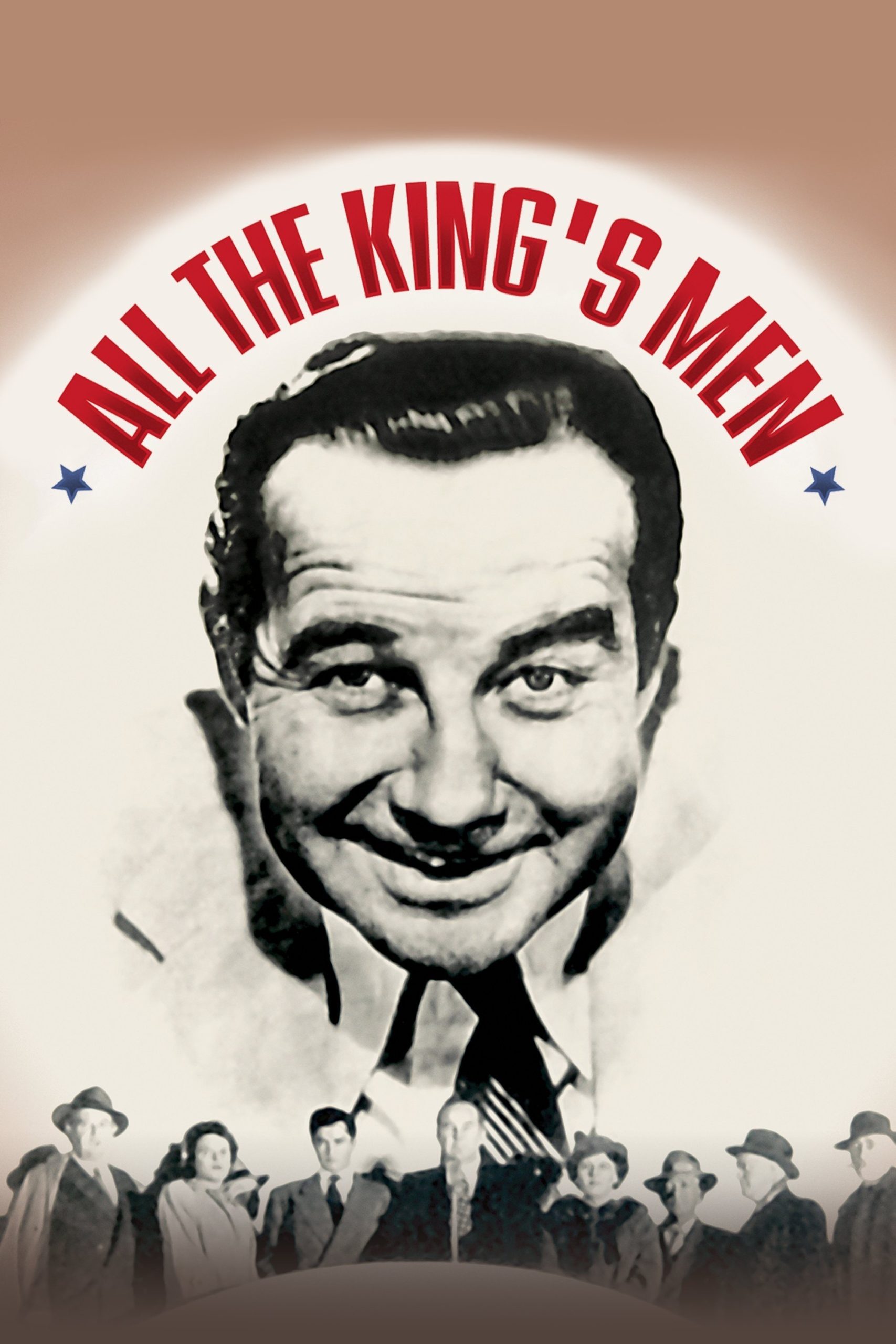
Few films from the Hollywood Golden Age capture the tangled relationship between power and morality quite like the 1949 political drama helmed by director Robert Rossen. Celebrated for its riveting exploration of American political ambition, this adaptation of Robert Penn Warren’s Pulitzer Prize-winning novel sits firmly within the canon of classic film noir dramas, wrapped around an engrossing portrayal of corruption and idealism on the rise and fall of a populist leader.
Plot Summary
Set in a Southern American state during the early 20th century, All the King’s Men follows the rapid ascent of Willie Stark, a straight-talking county treasurer whose early days are marked by a sincere crusade against injustice and government abuse. At first, Stark’s passion for fairness and his tireless campaign to expose crooked politicians win him devoted followers, but his outsider status prevents him from making a significant impact. Nonetheless, his authenticity draws public attention, and a fateful series of manipulations vault him into the heart of the state’s political machine.
Throughout the film, we witness this transformation through the eyes of Jack Burden, a jaded newspaper reporter assigned to cover Stark’s story. Burden’s deepening involvement challenges his own ethical boundaries as he chronicles Stark’s trajectory from underdog reformer to a power broker surrounded by loyalists and opportunists. As Stark’s influence expands, his rhetoric shifts from hopeful reform to cunning populism, ultimately revealing the intoxicating dangers of unchecked authority.
Major story spoilers ahead: The film’s latter acts expose the personal costs of Stark’s rise as his ambitions threaten his family, friends, and those who most believed in his promise. Relationships become fraught with betrayal, and the lines between right and wrong blur, prompting painful reckonings for those within his inner circle.
Key Themes & Analysis
At its heart, All the King’s Men scrutinizes the seductive nature of power. The character study of Willie Stark is deeply compelling: what begins as a noble campaign to uplift the downtrodden steadily devolves into autocracy, underscoring the perilous temptation to justify any means for ostensibly good ends. Stark morphs from people’s champion to an embodiment of the very corruption he once fought.
The screenplay’s adaptation skillfully streamlines Warren’s dense novel, foregrounding the characters in a tapestry of moral ambiguity. Rossen’s direction avoids melodrama, opting for authenticity through naturalistic dialogue and unvarnished performances. Camera work often features stark, expressionistic lighting and shadow, reflecting noir influences and emphasizing characters’ internal struggles. Cinematographer Burnett Guffey uses close-ups and dynamic framing to convey tension and the claustrophobia of political life, especially during heated crowd scenes and private confrontations.
Broderick Crawford’s central performance as Stark is nothing short of magnetic. His portrayal captures both the earnest charm that ignites a grassroots movement and the volcanic temper that later threatens to tear everything apart. Mercedes McCambridge, in an Academy Award-winning role, delivers a fierce yet vulnerable performance as Sadie Burke, Stark’s devoted but conflicted confidant. John Ireland’s Jack Burden provides the necessary emotional anchor for the story, enabling viewers to witness the dangerous seduction of compromise and self-delusion through his pained expressions and carefully measured narration.
In addition to its depiction of corruption’s corrosive influence, the film grapples with themes of loyalty, betrayal, and the cyclical nature of history. Secondary characters illustrate how idealists and cynics alike can fall prey to the machinery of populist politics. Cinematic techniques, such as the intercutting of campaign rallies, backroom deals, and private confrontations, reinforce the interconnectedness of personal ambition and systemic rot. Rossen directs with a moral clarity that avoids easy answers, instead challenging the audience to consider their own complicity when leaders falter.
Why You Should Watch It
- Powerful performances and rich characterizations: The cast delivers nuanced, emotionally charged portrayals, providing a masterclass in classic Hollywood acting.
- Enduring social and political relevance: The narrative’s examination of political corruption and ethical compromise continues to resonate in contemporary discourse, making it eye-opening even decades after its release.
- Cinematic artistry and influence: With its striking black-and-white cinematography and taut direction, the film remains a benchmark for politically charged storytelling and is often cited as an inspiration for later works in the genre.
Review Conclusion
All the King’s Men remains a masterwork of American cinema, distinguished by the probing intelligence of its screenplay, the intensity of its performances, and the skillful direction that anchors its searing critique of ambition and integrity. While some aspects reflect the post-war sensibilities of its era, the film’s core questions about leadership, loyalty, and the moral costs of power are timeless. This classic remains essential viewing for anyone interested in the intersection of politics and humanity, earning a well-deserved rating of 4.5 out of 5 stars.
🎬 Check out today's best-selling movies on Amazon!
View Deals on Amazon