
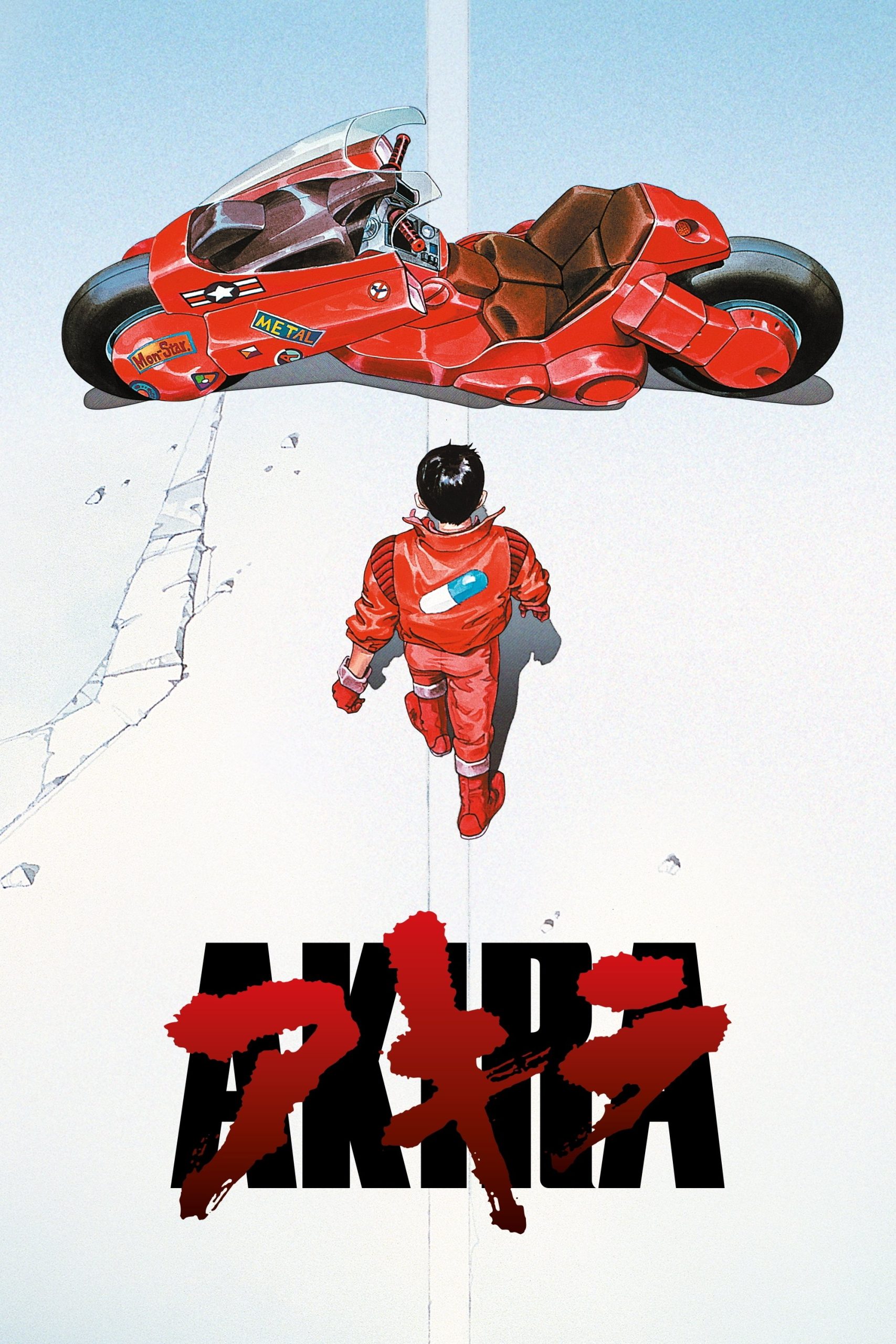
Few animated films have captured the global imagination quite like Akira. Released in 1988 and directed by Katsuhiro Otomo, this cyberpunk masterpiece redefined not only the boundaries of Japanese animation but also what science fiction could express on screen. Its breathtaking visuals, complex narrative, and cultural resonance have turned it into a time-tested landmark, influencing filmmakers, animators, and audiences around the world. Akira stands as a must-see work within the genre, and this review offers a comprehensive, spoiler-smart analysis of why it continues to captivate decades after its original release.
Plot Summary
Akira unfolds in a dystopian future, set in the sprawling metropolis of Neo-Tokyo in 2019, a city rebuilt after a mysterious explosion devastated the original Tokyo three decades prior. The city is a character in its own right—teeming, neon-lit, and perpetually teetering on the edge of chaos. Amidst this urban sprawl, two teenage friends, Kaneda and Tetsuo, find themselves caught in events that spiral far beyond their control when Tetsuo encounters a strange child with psychic abilities.
The story starts with rival biker gangs clashing on the streets, establishing Kaneda and his friends as rebellious youths with a strong bond. Kaneda, the charismatic gang leader, is both fiercely loyal and quick-witted, while Tetsuo, his childhood friend, struggles with feelings of inferiority and resentment. Their lives change irreversibly after a collision with the psychic child, who is part of a shadowy government project attempting to harness and contain supernatural abilities.
As the government and military desperately try to control the situation, Tetsuo’s newfound powers grow alarmingly unstable and deadly. The narrative explores his transformation from a timid subordinate to a dangerously empowered individual, posing existential questions about power, identity, and destruction. Paralleling Tetsuo’s arc is Kaneda’s determined quest to save his friend while navigating government conspiracies, protest movements, and the enigmatic secret of “Akira,” a legendary figure whose legacy holds the key to the city’s fate.
Spoiler Warning: The story’s climax and full implications of Akira are best experienced unspoiled, as the plot’s twists and revelations carry heavy visual and emotional impact. Suffice it to say, the film’s resolution is audacious, thought-provoking, and visually unforgettable.
Key Themes & Analysis
Akira is renowned for the depth and breadth of its themes, seamlessly integrating social commentary with spectacular science fiction storytelling. At its heart, the film examines the dangers and temptations of unchecked power. Tetsuo’s transformation is both literal and metaphorical—a representation of adolescent rage, insecurity, and the cataclysmic potential of humanity’s technological advancements. This theme echoes the lingering trauma of Hiroshima and Nagasaki, as well as Japan’s complex relationship with post-war progress, destruction, and renewal.
Another vital theme is the conflict between authority and rebellion. The government and military’s attempts to suppress or control the psychic phenomena serve as a critique of totalitarian overreach and societal decay. The streets of Neo-Tokyo burst with unrest, reflecting the anxieties and uncertainties of a society struggling to reconcile its past with its tumultuous present and future. Youth alienation, political apathy, corruption, and the search for meaning in a fractured world permeate every layer of the story, resonating far beyond its sci-fi trappings.
Visually, Akira set new standards for animated films. Otomo’s meticulous attention to detail, evident in the film’s realistic cityscapes, fluid character animation, and dynamic action sequences, remains awe-inspiring even by today’s benchmarks. The film’s use of color and lighting imbues Neo-Tokyo with palpable energy, creating a sense of immersion rarely matched in animation. The iconic red hues, vibrant neon, and relentless motion mirror the emotional and physical chaos driving the plot forward.
Direction-wise, Katsuhiro Otomo crafts a film that balances spectacle with substance. His adaptation of his own manga condenses a sprawling, multi-volume story into a tight two-hour film—yet loses none of its philosophical depth or narrative force. The pacing oscillates between frenetic action and quieter, introspective moments, allowing viewers to both marvel at the film’s technical prowess and ponder its existential questions.
The voice acting—both in the original Japanese and in various dubs—carries emotional authenticity, particularly between Kaneda and Tetsuo. Their evolving relationship is the film’s anchor, bringing warmth and tragedy to a bleak vision of the future. The soundtrack, composed by Shoji Yamashiro and performed by Geinoh Yamashirogumi, blends traditional Japanese musical elements with futuristic electronic sounds, supporting the film’s existential tone and creating an unforgettable auditory experience.
Why You Should Watch It
- Revolutionary Animation and Visual Effects: Akira features some of the most detailed and innovative hand-drawn animation ever produced, pushing the medium to new heights and remaining visually stunning even decades after its release.
- Influential and Culturally Significant: This film has had a profound impact on global pop culture, inspiring directors like the Wachowskis, Guillermo del Toro, and countless animators, as well as shaping the visual language of cyberpunk fiction worldwide.
- Thought-Provoking Storytelling: Its rich narrative explores complex themes such as power, identity, rebellion, and loss with emotional depth and intellectual rigor, making it as relevant today as it was upon its debut.
Review Conclusion
Akira is more than a cornerstone of anime or a cult classic—it is a cinematic breakthrough that fused technological artistry with bold sociopolitical commentary. Its complex characters, mesmerizing visuals, and provocative themes set an enduring benchmark for animated storytelling. For those seeking an animated film that engages both the mind and senses, or anyone interested in the roots of modern science fiction cinema, Akira remains an essential viewing experience. The film’s legacy is undeniable, and its message is as urgent and captivating today as when it first appeared on the big screen.
Rating: 5/5 stars
🎬 Check out today's best-selling movies on Amazon!
View Deals on Amazon