
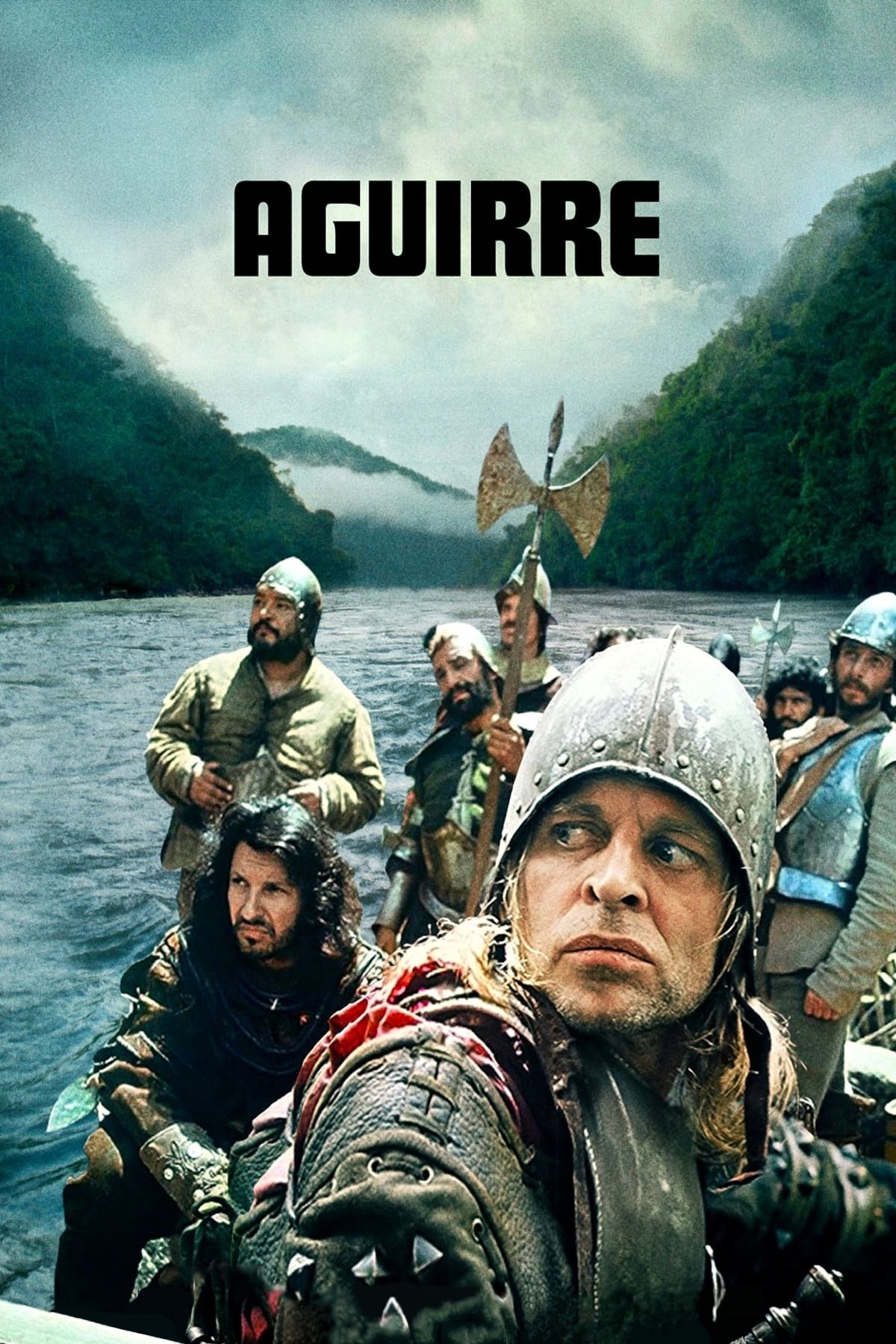
Few films have gripped audiences with the sheer intensity and poetic madness of Werner Herzog’s Aguirre, the Wrath of God. Often categorized within the adventure drama genre, this 1972 epic remains a touchstone for both world cinema and the visionary storytelling inherent to Herzog’s oeuvre. With Klaus Kinski’s mesmeric performance at its center, the film is as much a descent into the heart of human darkness as it is a sweeping exploration of the untamed jungle. Even decades later, Herzog’s unique directorial voice and commitment to authenticity make this movie not only unforgettable but essential viewing for anyone seeking to understand the boundaries of cinematic storytelling.
Plot Summary
Set in the late 16th century, Aguirre, the Wrath of God launches viewers into the sweltering, unforgiving jungles of South America, trailing a doomed Spanish expedition in search of the legendary city of El Dorado. The narrative centers on a hierarchy of conquistadors and a handful of indigenous and enslaved companions, all burdened by the weight of imperial ambition and mystical gold fever.
The expedition, commanded initially by Gonzalo Pizarro, fractures as the terrain turns perilous and food supplies dwindle. Pizarro splits the group, sending forward a smaller team downriver with the desperate hope of reconnaissance leading to salvation. Among those chosen is Don Lope de Aguirre (Klaus Kinski), whose icy intensity and latent mutiny begin to alter the fate of the mission.
As the journey continues, tensions strain and the river’s current barrels them deeper into danger. Paranoia and delusion take hold, especially as Aguirre’s charismatic but merciless ambition becomes increasingly apparent. The world of the European invaders feels both comically out of place and tragically doomed against the implacable jungle, its silent power an ever-present threat. Every bend of the river pulls the voyagers further from any hope of reason or return.
Spoiler Warning: [The film builds inexorably toward a haunting conclusion in which madness and monomania consume Aguirre. The final scenes are a fever dream of destruction and isolation, grippingly shot and deeply unsettling.]
Key Themes & Analysis
At its core, Aguirre, the Wrath of God is a meditation on obsession, colonial hubris, and the disintegration of order. Herzog crafts a narrative not just of external adventure, but of inner collapse, framing the journey into the jungle as allegorical descent into the chaos within the human soul.
Themes of power and madness manifest in Aguirre’s transformation—from a brooding subordinate to a self-declared leader bordering on deity. The jungle, depicted with a striking realism, becomes its own character—implacable, watchful, and indifferent. Herzog’s preference for location shooting infuses the atmosphere with palpable heat and threat; nature itself feels like an adversary that will not be ignored. This philosophical underpinning is underscored by the film’s sparse, almost meditative dialogue, and the languorous pacing that mirrors the river’s inexorable pull.
The film also critiques the myth of El Dorado, exposing the folly and cruelty of colonial conquest. The Spanish characters, armored and bewigged, seem absurdly ill-suited to their hostile environment. Their beliefs in divine right and easy riches dissolve amidst disease, starvation, and the silent hostility of the unknown landscape. In one of the film’s most powerful ironies, the quest for new worlds ends not in glory but in existential vertigo and madness.
Aguirre’s visual poetry is a masterclass in naturalistic cinematography. Cinematographer Thomas Mauch’s camera lingers on mist-choked forests, swirling rivers, and the faces of lost men, contrasting grand beauty with intimate despair. Some sequences were filmed on precarious rafts, evoking genuine peril that seeps into each frame; Herzog’s notorious dedication to realism saw cast and crew enduring many of the same hardships as their characters.
Klaus Kinski’s performance is legendary for its volatility and conviction, channeling a rage and vulnerability that remains deeply unsettling. His Aguirre is unpredictable and hypnotic, a man convinced of his own destiny to rule even as everything around him rots. Herzog’s direction elicits a near-mythic quality to his slow-burning unraveling—some scenes border on the surreal, blending reality with nightmare. The supporting cast, particularly Helena Rojo as the noblewoman Inez and Del Negro as Brother Gaspar, add depth and texture, embodying the diverse pathologies and faiths underpinning European imperialism.
The soundtrack, composed by the German band Popol Vuh, delivers an ethereal, haunting sonic landscape. The music fuses electronic sounds with choral voices, reinforcing the otherworldly nature of the odyssey and enhancing the film’s dreamlike quality.
Why You Should Watch It
- Visionary Direction and Authenticity: Werner Herzog’s uncompromising vision gives the film a visceral edge, blending documentary realism with poetic grandeur. The commitment to location, practical effects, and emotional truth sets it apart from more conventional adventure tales.
- Unforgettable Performances: Klaus Kinski’s turn as Aguirre is often cited among cinema’s most gripping displays of intensity. The supporting ensemble brings gravitas and layers to the ensemble, making each character’s fate feel impactful and real.
- Cultural and Cinematic Influence: This film has strongly influenced generations of filmmakers, from Francis Ford Coppola’s Apocalypse Now to contemporary directors exploring the edges of madness and civilization. Watching Aguirre is key to understanding the evolution of ambitious, boundary-pushing cinema.
Review Conclusion
Aguirre, the Wrath of God stands as a landmark achievement in international cinema—an audacious, hallucinatory journey into ambition run amok. Herzog’s direction is both intimate and epic, manipulating landscape and character with unparalleled artistry. Its rawness, both emotional and physical, lingers long after the credits roll.
While the film’s pace may test some modern viewers, its hypnotic rhythm and unforgettable sequences make it essential viewing for cinephiles and anyone curious about the extremes of human nature. As both film history and exhilarating storytelling, Aguirre is nearly peerless—a masterpiece by any measure.
Star Rating: 5/5
🎬 Check out today's best-selling movies on Amazon!
View Deals on Amazon