
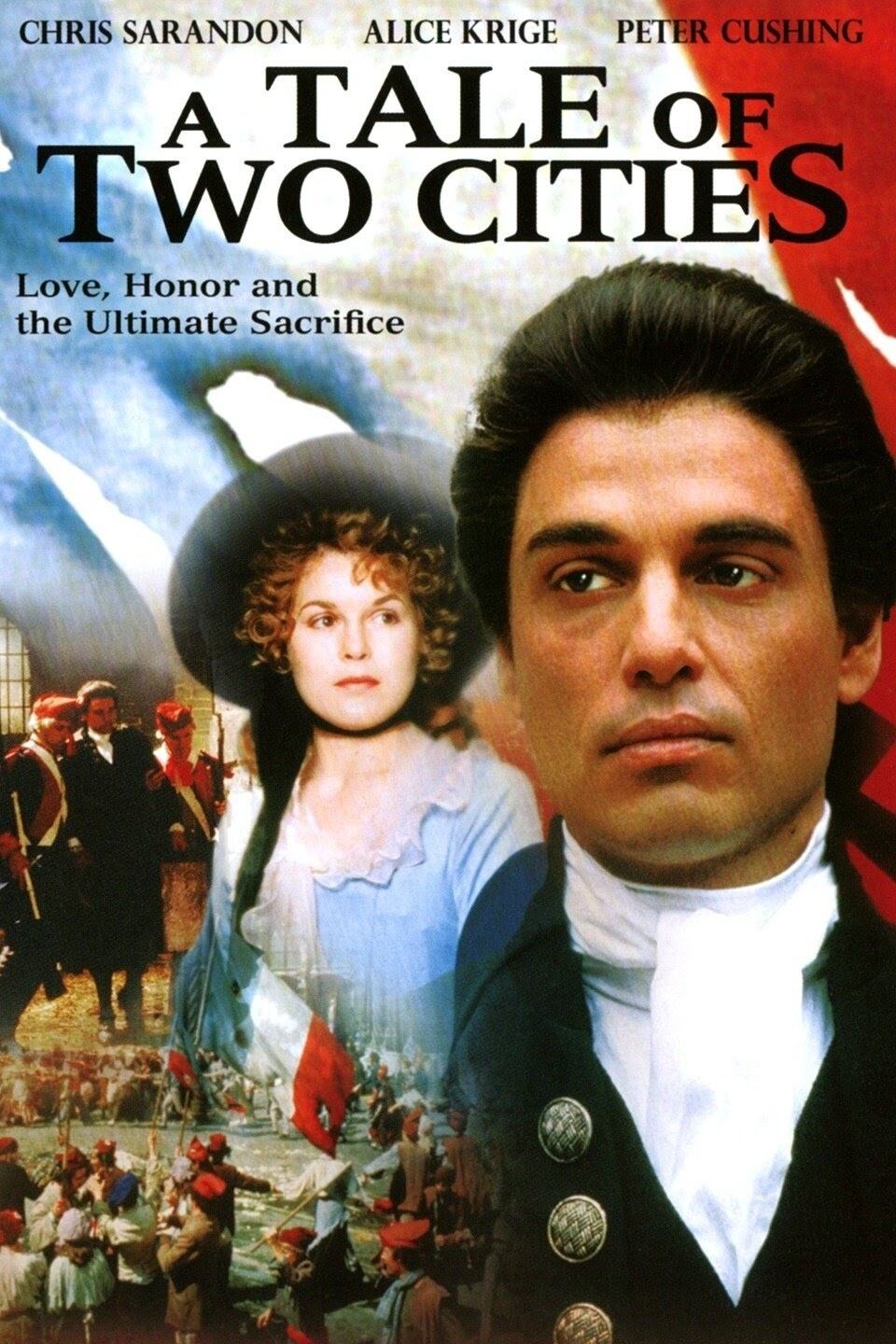
The golden age of Hollywood delivered countless classics, but few adaptations of literary masterpieces have endured like the 1935 cinematic rendition of Charles Dickens’ “A Tale of Two Cities.” Directed by Jack Conway and belonging firmly to the dramatic historical epic genre, this film brings together lavish production values and a compelling cast to breathe life into Dickens’ gripping tale of love, sacrifice, and revolution. For both dedicated fans of Dickens and newcomers to the story, this movie offers an unforgettable journey across two cities—London and Paris—at the brink of social upheaval. With its powerful performances and evocative visuals, the 1935 adaptation remains an essential entry in both literary and cinematic canons.
Plot Summary
Set during one of history’s most turbulent periods, the late 18th century, “A Tale of Two Cities” transports viewers between the calm corridors of London and the boiling cauldron of revolutionary Paris. The narrative follows the stories of Charles Darnay, a young French aristocrat who renounces his family’s title in protest against their cruelty, and Sydney Carton, a dissipated English lawyer whose life is forever altered by his unrequited love for Lucie Manette, the kind-hearted daughter of the long-imprisoned Dr. Alexandre Manette.
The story begins as Dr. Manette is released after an 18-year wrongful imprisonment in the Bastille. He tries to rebuild his life in England with his daughter Lucie. Their peaceful existence is soon interrupted by the arrival of Charles Darnay, whose connection to a notorious French family and commitment to justice place him at the film’s moral center. Sydney Carton, a brilliant yet disillusioned barrister, finds himself both competing with Darnay for Lucie’s affection and confronting his own failings.
As the plot unfolds, political unrest escalates in France, plunging the population into revolution. Dickens’ signature social commentary comes to life onscreen as both personal and national destinies are shaped by notions of justice, loyalty, and redemption. Suspense and emotion slowly build, drawing viewers into a world where ordinary lives are ensnared in the machinery of history.
Spoiler Warning: The following section contains major plot revelations.
When Charles Darnay returns to France and is imprisoned by the revolutionaries, the film pivots to a tense, high-stakes drama. Sydney Carton’s love for Lucie turns into selfless devotion, culminating in one of classic literature’s most famous acts of sacrifice. Through these intertwined stories, the film weaves together personal tragedy and societal upheaval, culminating in a finale that is as stirring as it is poignant.
Key Themes & Analysis
“A Tale of Two Cities” (1935) is replete with timeless themes—justice versus vengeance, the redemptive power of love, and the cost of personal sacrifice. Dickens’ exploration of class divisions, revolutionary zeal, and the battle between fate and free will is skillfully rendered by the director and screenwriters, who pare down the source material but remain faithful to its spirit.
Themes: The film’s chief thematic concern is transformation—of individuals and of societies. Sydney Carton’s journey from cynicism to heroism stands as a powerful meditation on redemption, while Darnay’s moral struggle reflects the weight of ancestry and responsibility. The Revolution itself is depicted not as pure good or evil but as a complex, multi-faceted force—showing both the just demands of the oppressed and the horrifying excesses of mob rule.
Cinematography: The cinematography by Oliver T. Marsh is atmospheric and evocative, deftly capturing the duality at the heart of the story. The film’s settings—contrasting the austere English law courts with the feverish chaos of revolutionary Paris—are brought to life through meticulous set design and costuming. Technique-wise, Marsh employs dramatic lighting and shadow to heighten tension, especially in the Parisian sequences, invoking both the physical and moral darkness of the times. Panoramic shots of surging crowds and intimate close-ups highlight the scale of revolution and the individual suffering within it.
Directing: Jack Conway’s direction anchors the film with classical restraint while permitting flashes of emotional power and spectacle. He achieves a seamless balance between intimate drama and sweeping historical tableau, ably guiding audiences through the labyrinthine plot without ever feeling rushed or overly didactic. Conway’s handling of the story’s climactic moments is particularly assured, bringing a sense of inevitability and tragic beauty to the denouement.
Acting: The performances are a key strength. Ronald Colman delivers a career-defining portrayal of Sydney Carton, combining world-weariness, wit, and an inner nobility that emerges gradually and memorably. Elizabeth Allan brings luminosity and warmth to Lucie Manette, while Donald Woods gives Charles Darnay a sympathetic dignity. Supporting roles, particularly Edna May Oliver as Miss Pross and Blanche Yurka as the vengeful Madame Defarge, add texture and emotional weight to the proceedings. The cast’s ability to humanize both the heroes and antagonists ensures that the film’s emotional beats land with force and authenticity.
Why You Should Watch It
- Masterful Literary Adaptation: Even if you have read Dickens’ novel, the film offers a streamlined but faithful adaptation, distilling the essence of the book’s drama and character arcs while making the intricate plot intelligible and suspenseful for all viewers.
- Memorable Performances: Ronald Colman’s turn as Sydney Carton is widely regarded as one of classic Hollywood’s great performances, supported by a strong ensemble cast that enriches every scene with nuance and gravitas.
- Cinematic Craftsmanship: From its striking black-and-white cinematography to its attention to historical detail and its emotionally affective score, the production values immerse you fully in the world of the late eighteenth century, making the drama feel immediate and alive.
Review Conclusion
“A Tale of Two Cities” (1935) stands as a sterling example of Hollywood’s reverence for literary classics and its capacity for powerful, emotionally charged storytelling. Jack Conway’s directorial vision pairs beautifully with superb performances—especially Ronald Colman’s unforgettable Sydney Carton—and evocative cinematography to craft a compelling portrait of love and chaos in revolutionary times. The film’s thematic richness and production artistry not only pay tribute to Dickens’ original work but also transcend its era, offering enduring insight into human nature and the cycles of history.
For aficionados of historical drama and literary adaptation, or anyone seeking a film of depth and resonance, “A Tale of Two Cities” remains a must-see. Its legacy endures, not only as an adaptation of a beloved novel but as a profound meditation on humanity at its best and worst. For its emotional power, technical proficiency, and timeless relevance, this classic earns a well-deserved rating:
4.5/5 stars
🎬 Check out today's best-selling movies on Amazon!
View Deals on Amazon