
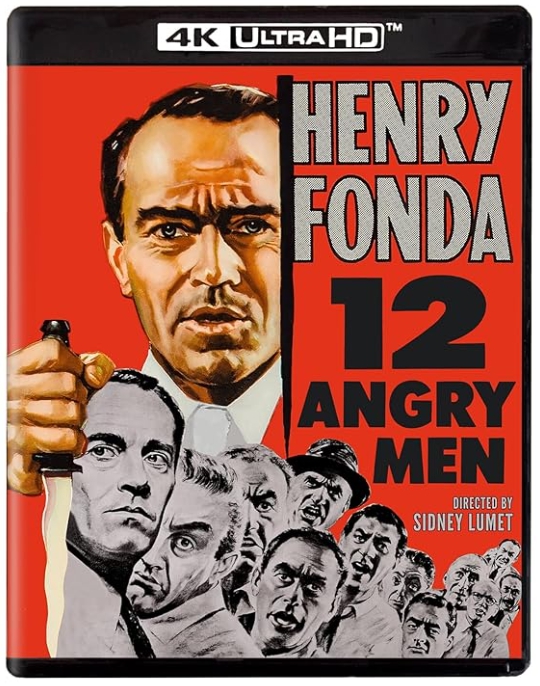
Few films in cinema history have captured the intensity and nuance of human deliberation as effectively as Sidney Lumet’s classic courtroom drama. As a profound exploration of justice, morality, and the dynamics within a jury room, this masterpiece set the gold standard early in the genre. The enclosed single-room setting, razor-sharp dialogue, and powerful performances have ensured its place in the annals of film history. For newcomers and cinephiles alike, this is a study in both storytelling and the cinematic craft.
Plot Summary
The story takes place almost exclusively in a sweltering New York City jury room, following the aftermath of a trial in which a teenager stands accused of murdering his father. The fate of the young defendant rests in the hands of twelve men, comprising an all-male jury pulled from different walks of life. They are charged with delivering a unanimous verdict – “guilty” or “not guilty.”
At first, it appears to be an open-and-shut case: nearly all jurors believe the accused is obviously culpable. However, a single juror—known as Juror #8, played with understated conviction by Henry Fonda—expresses reasonable doubt and refuses to go along with the crowd. What unfolds over the taut 96 minutes is a microcosm of American society, as prejudices, personal histories, and moral convictions are exposed, challenged, and deconstructed.
One by one, jurors grapple with their ideals and biases, revisiting the evidence and testimony under the relentless scrutiny of logic and empathy. Tensions mount as each man struggles with his conscience and the responsibility of potentially sending a young man to his death. As matters escalate, heated arguments and clashing personalities threaten to prevent a fair examination of the facts.
Spoiler Warning: The plot’s ultimate resolution, including whether the jury reaches unanimity and the fate of the teenager, are best experienced firsthand. The film’s emotional and narrative power lies in witnessing the process as the jurors wrestle with their sense of justice—making it an engaging journey of discovery for first-time viewers.
Key Themes & Analysis
Justice and Reasonable Doubt: At its core, the film grapples with the concept of reasonable doubt—a foundational principle of the legal system. It examines how personal prejudice, apathy, and groupthink can all undermine the pursuit of justice. What makes Lumet’s direction so compelling is the way he methodically dismantles assumptions and forces both characters and audience to scrutinize the evidence.
The Dynamics of Group Decision-Making: The film is a textbook exploration of group psychology and dynamics. The confined set intensifies the sense of pressure, amplifying confrontations and alliances as the jurors navigate their conflicting perspectives. Each character is meticulously drawn, representing facets of society’s diversity in class, worldview, and temperament.
Prejudice and Moral Responsibility: Many jurors initially vote “guilty” based not on evidence, but on deep-seated prejudices or impatience. The narrative deftly peels back each man’s motivations, exposing how personal experiences and implicit biases can distort even the most critical decisions. The movie urges viewers to confront their own assumptions and the importance of standing up for justice, even when it is inconvenient or unpopular.
Cinematography and Visual Storytelling: Cinematographer Boris Kaufman’s lensing is a masterclass in visual economy. Using tight close-ups and claustrophobic medium shots, the camera heightens the sense of entrapment and moral suffocation within the jury room. As the deliberation intensifies, lighting and camera angles subtly evolve, mirroring the characters’ emotional transformations.
Sidney Lumet’s Direction: Lumet’s deft touch with both actors and narrative pacing is evident throughout. Despite working in a single location, he keeps the film visually and emotionally dynamic. The direction enhances the script’s tension and the actors’ nuanced performances, underscoring every shift of opinion or crack in certainty. Lumet’s insistence on rehearsals gave the cast a theatrical energy that translates powerfully to screen.
Acting Performances: The ensemble cast is phenomenal, led by Henry Fonda’s empathetic and principled Juror #8. Lee J. Cobb stands out as the volatile Juror #3, providing the emotional counterpoint. Other actors, including E.G. Marshall, Jack Klugman, and Martin Balsam, flesh out a tapestry of personalities. Each character feels authentic, their reactions and transformations ring true, making the film’s psychological study feel organic rather than contrived.
Script and Dialogue: Reginald Rose’s screenplay (adapted from his own teleplay) is razor sharp, with dialogue that feels both timeless and timely. Every word, pause, and inflection carries weight, making the conversations as riveting as any action set piece. The interplay of logic, emotion, and rhetoric is brought to life through impeccable pacing and delivery.
Why You Should Watch It
- Riveting Character Study: The film’s tight focus on its twelve protagonists provides a nuanced exploration of personality, bias, and moral courage. It is as much a psychological drama as a legal one, making it an essential watch for those interested in human behavior.
- Masterful Filmmaking and Performances: The combination of Sidney Lumet’s direction, Boris Kaufman’s cinematography, and the powerful ensemble cast makes the movie a masterclass in filmmaking. Each element serves the story seamlessly, delivering an experience as entertaining as it is thought-provoking.
- Timeless Relevance: The central themes—justice, prejudice, and civic duty—remain as relevant today as they were in 1957. The film’s message about the dangers of apathy and the need for critical thinking in civic life resonates in any era, offering valuable lessons for contemporary viewers.
Review Conclusion
This landmark courtroom drama is more than just an old classic—it’s a living, breathing debate on justice, empathy, and responsibility. Sidney Lumet’s assured direction, matched by eloquent writing and extraordinary acting, ensures its place among the essential films of world cinema. The movie’s confined setting and relentless focus on character interplay generate a suspense that is gripping even seventy years after its release.
For those seeking a film that challenges the intellect as much as it stirs the emotions, few titles are as rewarding. Whether you’re a legal drama enthusiast, a lover of ensemble acting, or simply interested in cinematic excellence, this remains a must-see. Its lessons about the power of reason, and the impact of one determined voice against the majority, linger long after the credits roll.
🎬 Check out today's best-selling movies on Amazon!
View Deals on Amazon